
How to Use a Solar Powered Fan Effectively: Practical Tips for Indoor & Outdoor Use
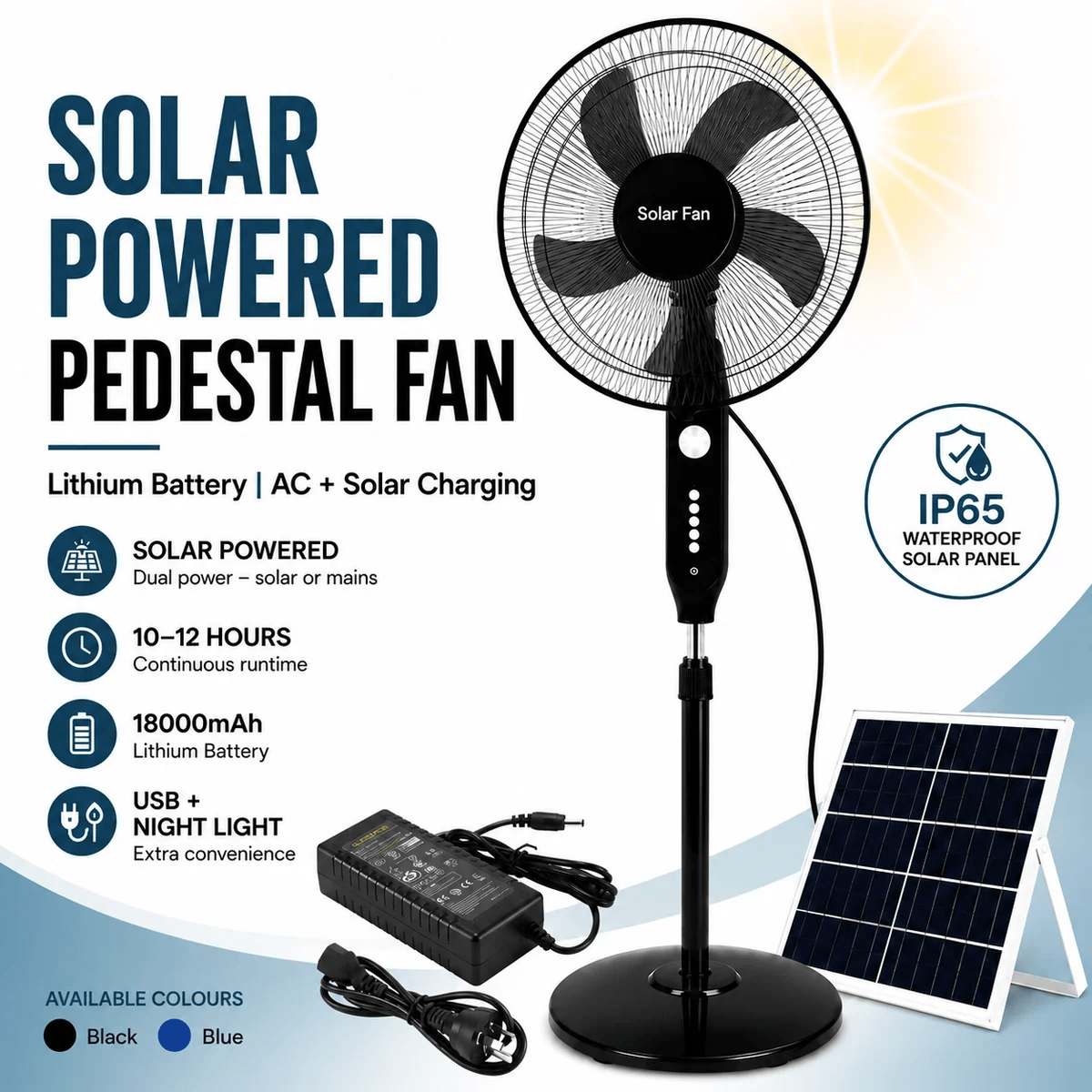
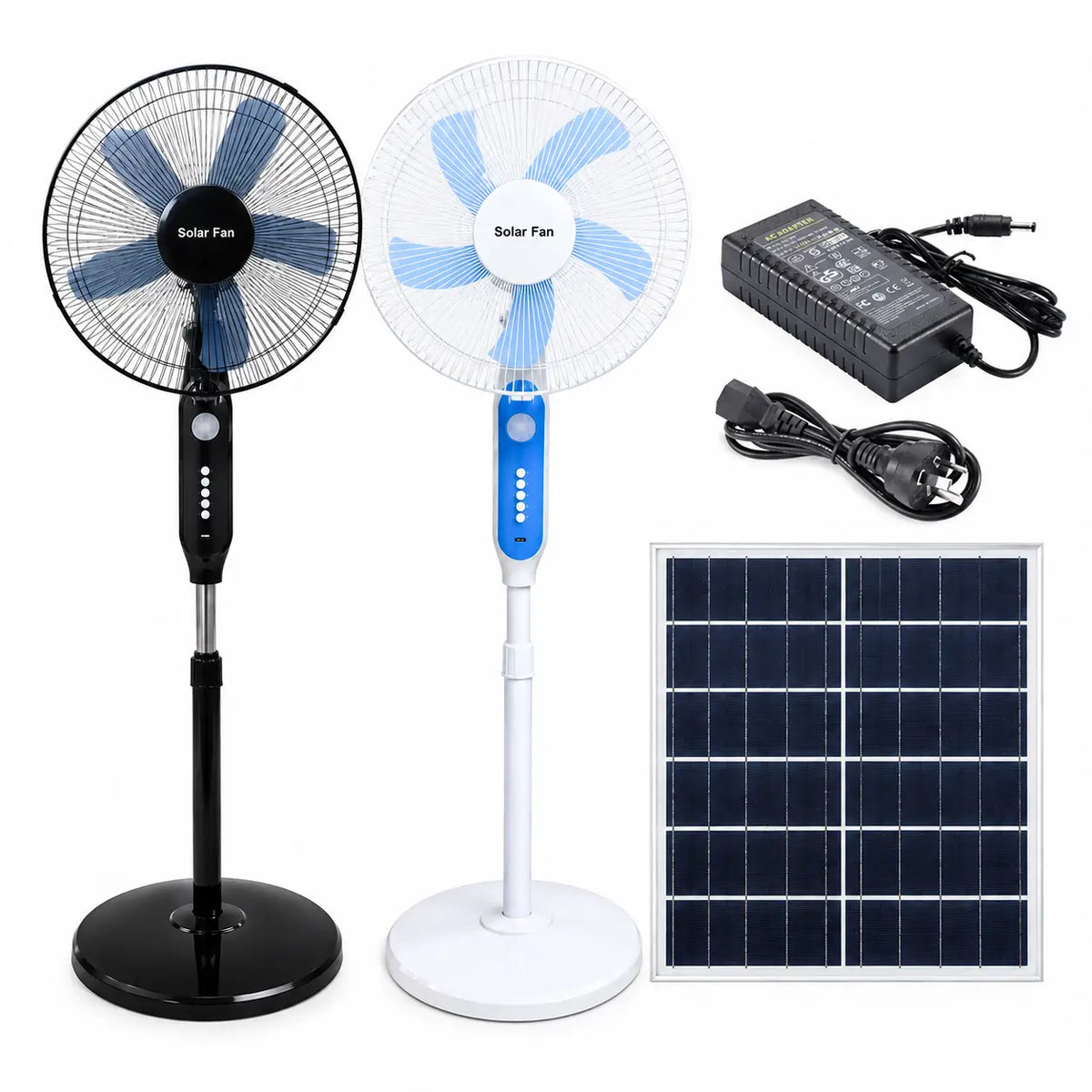
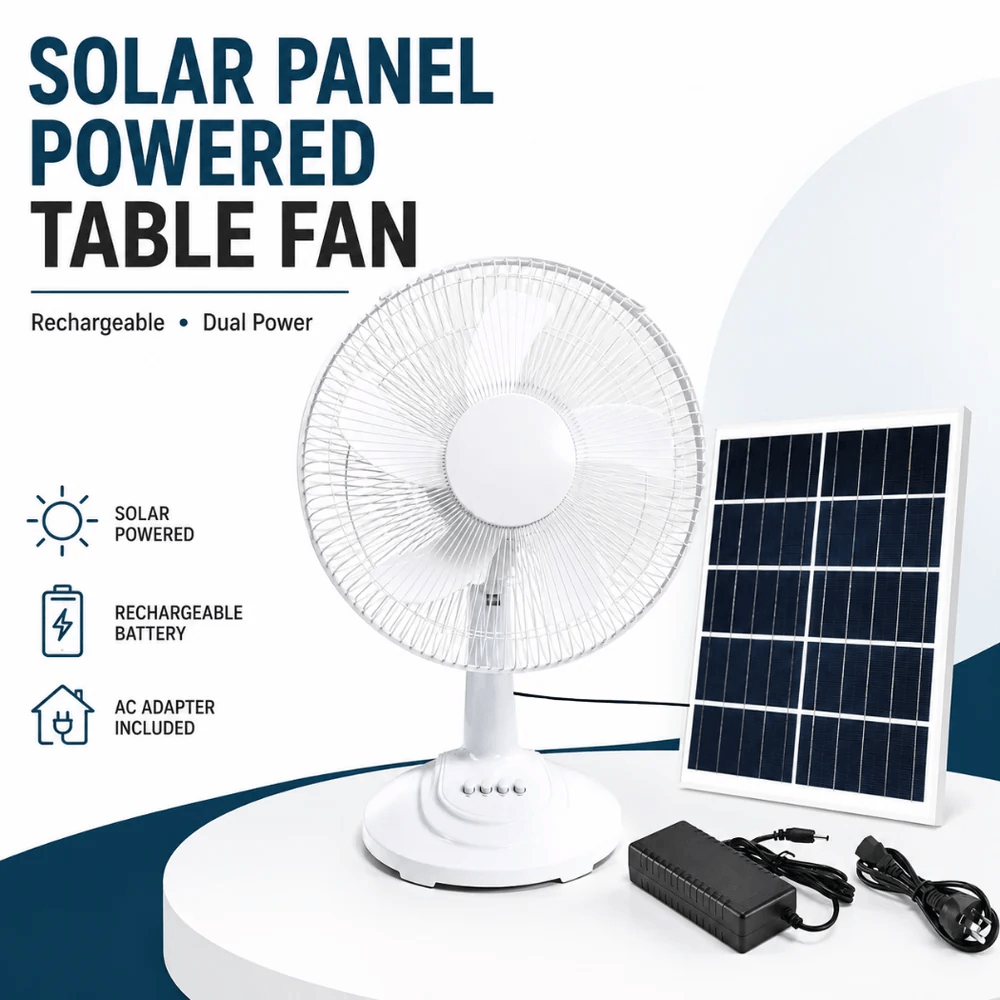
A rechargeable solar powered fan offers a convenient way to enjoy cooling airflow without needing a continuous connection to household electricity.
However, simply switching on the fan does not always provide the most comfortable results.
Where you position your fan, how you direct the airflow and which speed you choose can make a significant difference to your cooling experience.
For Australian households, solar fans can be particularly useful during warm summer evenings, in bedrooms, living areas, covered patios and other locations where portable airflow is needed.
Many rechargeable models can also be moved between rooms after charging, allowing you to use the same fan in different locations throughout the day.
This guide explains practical ways to use your solar powered fan more effectively, improve personal comfort and make the most of its available battery energy.
1. Position Your Solar Fan Where You Need the Airflow
One of the most important factors in using a solar fan effectively is choosing the right location.
A fan works by moving air, so its position directly affects where that airflow travels.
Avoid Obstructed Locations
Do not position the fan behind furniture, curtains or other large objects that block airflow.
For example, placing a fan behind a sofa may prevent much of the moving air from reaching the people sitting nearby.
Instead, choose an open position where the fan can circulate air freely.
Consider the Distance
For personal cooling, placing the fan relatively close to where you are sitting or resting can provide a more noticeable breeze.
However, avoid positioning it so close that the airflow becomes uncomfortable.
The ideal distance depends on the fan's size, speed and airflow characteristics.
Use a Stable Surface
Tabletop solar fans should be placed on a stable, level surface.
Pedestal models should be positioned where their bases cannot easily be knocked over.
Keep the fan away from loose fabrics, small objects and areas where children or pets may accidentally contact the blades or grille.
Practical Tip: Start with the fan at a comfortable distance, then adjust its position until the airflow reaches you without creating excessive noise or disturbance.
2. Adjust the Fan Angle for Better Air Circulation
Many portable solar fans allow you to adjust the direction of the airflow.
Depending on the model, this may include a tilting fan head, adjustable height or oscillation.
Direct Airflow Towards Occupied Areas
If you are sitting at a desk, position the fan so the airflow reaches your upper body.
If you are relaxing on a sofa, adjust the fan angle to provide a gentle breeze across your seating area.
Avoid Unnecessary Airflow Obstructions
Airflow can be reduced when the fan is directed towards walls, furniture or other nearby obstacles.
For personal cooling, a relatively clear path between the fan and the user is generally preferable.
Use Oscillation When Available
Some solar fans include an oscillation function that moves the fan head from side to side.
This can help distribute airflow across a wider area.
However, oscillation is not available on every model.
Key Point: Correct airflow direction can improve comfort without necessarily increasing fan speed.
3. Choose the Right Fan Speed for Different Situations
Most rechargeable solar fans offer multiple speed settings.
Selecting an appropriate speed can help balance cooling comfort, noise and battery consumption.
Low Speed
Low speed is often suitable for:
- Sleeping
- Reading
- Working at a desk
- Quiet indoor environments
It generally provides gentler airflow and uses less electricity than higher settings.
Medium Speed
Medium speed may be appropriate for:
- Everyday living room use
- Relaxing on a covered patio
- General personal cooling
- Moderate indoor air circulation
High Speed
High speed may be useful when:
- You need stronger airflow
- The surrounding environment is particularly warm
- You are sitting farther from the fan
- Outdoor breezes reduce the effectiveness of lower settings
However, higher speeds generally consume more battery energy.
Practical Tip: Use the lowest fan speed that provides comfortable airflow, especially when you want the battery to last throughout the evening.
4. How to Use a Solar Powered Fan in Your Bedroom
Bedrooms are one of the most practical locations for rechargeable solar fans.
During warm Australian nights, a gentle breeze can help improve sleeping comfort.
Position the Fan Beside the Bed
Place the fan on a bedside table or another stable surface at a suitable distance.
Avoid placing it where bedding, curtains or other loose materials could obstruct the grille.
Choose a Comfortable Airflow Direction
Some people prefer airflow directed towards their upper body.
Others find it more comfortable to direct the breeze slightly across the bed rather than directly towards their face.
Adjust the angle according to personal preference.
Use a Lower Speed Overnight
Low-speed operation may help reduce noise and conserve battery energy.
This can be particularly useful if you want the fan to operate for several hours while sleeping.
Use the Night Light When Needed
Some rechargeable solar fans include a gentle built-in night light.
This can provide basic visibility when getting up during the night.
However, the light consumes some battery energy and is not intended to replace normal room lighting.
Practical Tip: Charge the battery before bedtime and check that sufficient energy remains for your intended overnight use.
5. How to Use a Solar Fan in Your Living Room
Living rooms often contain furniture, multiple seating areas and changing airflow requirements.
A portable solar fan allows you to adjust the cooling arrangement as needed.
Place the Fan Near the Seating Area
If you are watching television or relaxing on a sofa, position the fan where the airflow can reach you comfortably.
Avoid placing it behind large furniture.
Adjust the Fan as You Move
One advantage of a rechargeable model is that it can be moved without maintaining a connection to a power outlet.
For example, you may use the fan beside your dining table during lunch and move it into the living room later.
Consider Natural Ventilation
When outdoor air is cooler than indoor air, opening suitable windows may help improve ventilation.
A fan positioned appropriately can assist air movement.
However, if the outdoor air is significantly hotter, bringing large amounts of that air indoors may reduce comfort.
Key Point: A solar fan is most effective when its airflow is directed towards the people who need cooling.
6. How to Use a Solar Fan on a Patio or Verandah
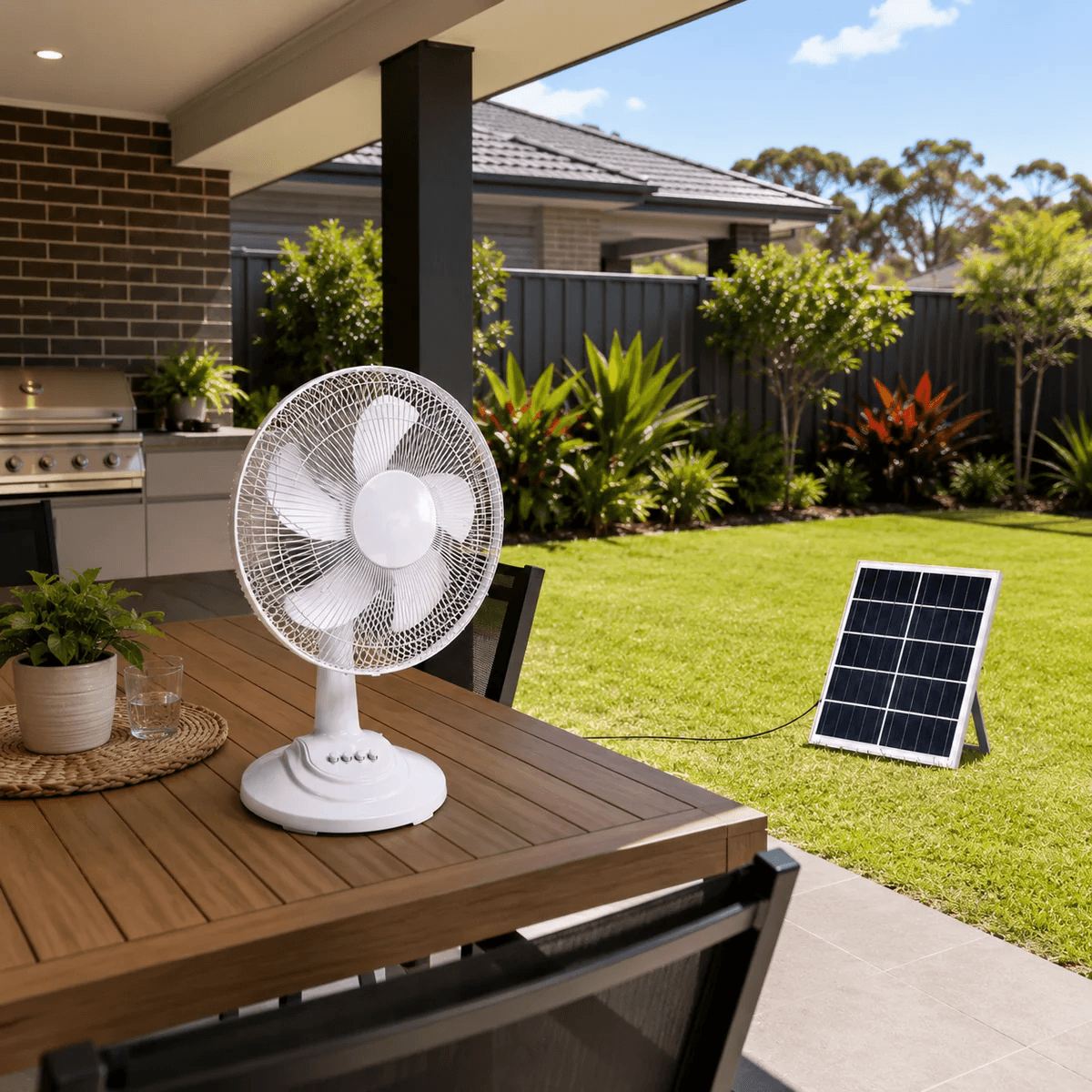
Rechargeable solar fans can also be useful in sheltered outdoor spaces.
In Australia, covered patios and verandahs are popular areas for relaxing and entertaining.
Choose a Sheltered Location
Position the fan where it is protected from rain and unsuitable weather exposure.
Do not assume the fan body is waterproof because it uses solar energy.
Check the manufacturer's instructions before outdoor use.
Keep the Fan Stable
Outdoor surfaces may be uneven.
Place the fan on a secure, level surface where it cannot easily fall or be knocked over.
Consider Wind Direction
Natural wind can affect the direction and strength of the airflow you experience.
Position the fan so its airflow reaches your seating area effectively.
Keep Electrical Connections Protected
If the fan is connected to a solar panel or charging cable, protect the connections from water and physical damage according to the product's specifications.
Practical Tip: A rechargeable solar fan is often most convenient outdoors when operating from its battery, provided the model is suitable for the environment.
7. Using a Solar Powered Fan While Camping or Caravanning
Portable solar fans can provide useful personal airflow during camping and caravanning activities.
However, practical considerations differ from normal household use.
Choose a Suitable Location
Place the fan on a stable surface inside a tent, caravan or sheltered area, where permitted by the manufacturer's instructions.
Avoid obstructing entrances or walkways.
Keep the Fan Away From Water
Protect the fan and battery from rain, splashing water and damp surfaces unless the product is specifically rated for those conditions.
Plan Your Battery Use
When camping without convenient access to household electricity, stored battery energy becomes particularly important.
Consider using lower speeds during extended evening operation.
Position the Solar Panel Separately
For models with a detachable solar panel, the panel may be positioned outdoors while the fan remains in a sheltered location.
Ensure the connecting cable is routed safely and that the arrangement follows the manufacturer's instructions.
Important: A portable solar fan should not be treated as a substitute for essential ventilation or safety equipment in enclosed spaces.
8. Make the Most of Cordless Portability
One of the most convenient features of a rechargeable solar fan is the ability to move it between different locations.
For example, you might use the fan:
Morning: In your home office while working.
Afternoon: In the living room or covered outdoor area.
Evening: Beside the dining table.
Night: In your bedroom.
If the battery contains sufficient energy, the fan can operate without remaining connected to the solar panel or household electricity.
This flexibility allows one fan to serve several areas throughout the day.
Before moving the fan, switch it off and disconnect any cables as instructed by the manufacturer.
Carry it using the designated handle or support points, if provided.
Avoid lifting the fan by its grille, blades or electrical cable.
9. How to Manage Battery Energy During Daily Use
Although this article focuses on practical operation rather than battery technology, a few simple habits can improve everyday convenience.
Charge Before Extended Use
If you plan to use the fan for several hours during the evening, ensure the battery has sufficient charge beforehand.
Avoid Unnecessary High-Speed Operation
Higher fan speeds generally consume more electricity.
Using a lower speed when appropriate can help extend operating time.
Consider Additional Features
Some solar fans include USB outputs for charging compatible mobile phones.
Others have built-in night lights.
These features can be convenient, but they also consume stored battery energy.
Use AC Charging When Supported
If your fan supports charging through a compatible AC adapter, this can provide an alternative when solar charging is insufficient.
Always follow the manufacturer's charging instructions.
For a detailed explanation of battery performance, see How Long Can a Solar Powered Fan Run? Understanding Battery Capacity & Runtime.
10. Common Mistakes to Avoid When Using a Solar Fan
Several common mistakes can reduce comfort or create unnecessary safety risks.
Placing the Fan Behind Furniture
Blocked airflow can make the fan less effective.
Using Maximum Speed All the Time
High speed may not always be necessary and generally reduces battery runtime.
Positioning the Fan Too Close
Excessively strong airflow can become uncomfortable during extended use.
Exposing the Fan to Rain
Solar charging capability does not automatically make the fan weatherproof.
Leaving Cables Across Walkways
Poor cable placement can create trip hazards or damage the equipment.
Using the Fan on an Unstable Surface
An unstable fan may fall or become damaged.
Ignoring the Manufacturer's Instructions
Different solar fan models have different operating requirements and safety limitations.
Avoiding these mistakes can help improve comfort and maintain reliable operation.
Final Thoughts
Using a solar powered fan effectively is largely about correct positioning, suitable airflow direction and choosing the right speed for your environment.
In bedrooms, gentle airflow and lower speeds may provide comfortable overnight use.
In living rooms, portable placement allows you to direct airflow towards occupied areas.
On covered patios or during camping activities, stable positioning and appropriate weather protection are particularly important.
Rechargeable models also offer the convenience of moving between different locations without a continuous connection to household electricity.
By making a few simple adjustments to how you use your fan, you can enjoy more comfortable airflow while making practical use of its available battery energy.
Explore portable solar powered cooling solutions at SolarEasy Australia.