
Solar Powered Security Camera Information Hub
Solar security cameras can be used for legitimate property monitoring in Australia, but there is no blanket permission covering every camera position, microphone setting or use of footage. The relevant rules depend on the state or territory, what is observed or heard, who operates the system and how recordings are handled.
Solar power changes how the camera receives energy; it does not create an exemption from surveillance or privacy requirements. This article is general educational information, not advice that a particular installation is lawful. Check current official guidance and obtain legal advice where the circumstances are uncertain.
Official guidance checked: 23 October 2026. Laws and guidance can change.
1. Check the Use, Not Just the Property Boundary
Start by identifying the installation's purpose: reviewing access to a driveway, watching a shed entrance or monitoring a working site. Then assess the actual field of view and audio range.
Owning the mounting surface does not settle every question about what you may record. A camera on your wall might look through a neighbouring window, while its microphone could pick up a conversation beyond the intended monitoring area.
| Question | Why it matters |
|---|---|
| Where is the property? | State and territory surveillance rules differ |
| Is sound enabled? | Listening-device rules need separate consideration |
| What is actually visible? | Private spaces and neighbouring areas may be captured |
| Is this a home, business or workplace? | Different obligations may apply |
| Who receives the footage? | Collection and later disclosure are separate issues |
| Is the building rented or strata-managed? | Installation permissions and by-laws may also matter |
2. Understand the Different Layers of Law
The OAIC's security-camera guidance explains that Australian Privacy Principles apply to covered organisations, while state and territory surveillance laws also require attention. Ordinary private-capacity household use is generally outside the Privacy Act's APP framework; this is not permission to record without limits.
A separate development is important: the OAIC explains that a statutory tort for serious invasions of privacy commenced on 10 June 2025. Its application extends beyond entities covered by the APPs and can include individuals. Whether a claim succeeds depends on legal elements, defences and exemptions; not every unwanted recording automatically establishes liability. Such claims are pursued through courts, not administered by the OAIC.
Avoid relying on older online claims that Australian individuals have no civil privacy remedy, or that a household exemption resolves every issue.
3. Treat Audio as a Separate Decision
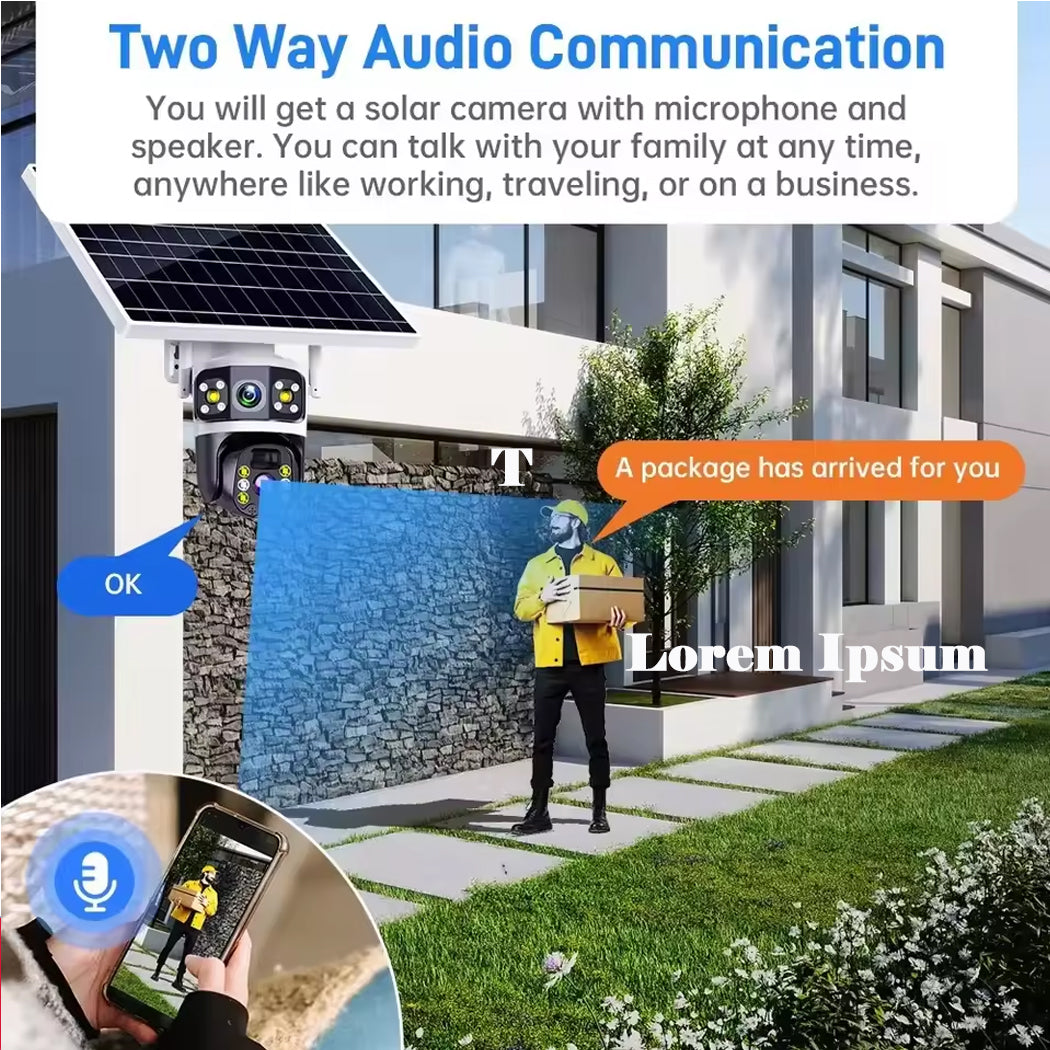
A microphone can capture information outside the visible frame. Check whether sound is monitored live, saved with clips or included in cloud recordings. Two-way communication and background audio recording may involve different settings.
For example, the Queensland Information Commissioner's community guide explains that recording a private conversation you are involved in is generally permitted there, while recording one you are not involved in is generally prohibited. Restrictions also apply to later communication or publication. Owning an unattended camera does not make you a participant in conversations it captures.
Do not transfer that Queensland summary to another jurisdiction. NSW Communities and Justice explains that its Surveillance Devices Act distinguishes listening and optical devices and contains device-specific prohibitions and exceptions.
If audio is unnecessary, leave it disabled while you assess the installation. If it is needed, establish the applicable legal basis before enabling it. A generic “one-party consent” label is not a complete compliance assessment.
4. Minimise Unnecessary Views
As a practical design approach, frame the access route you need rather than a neighbour's living space or the whole street. Avoid views into bedrooms, bathrooms and changing areas. Do not assume a window being open or an area being outdoors removes all privacy considerations.
Adjust the mounting angle and use supported privacy masks where appropriate. Verify what a mask affects: saved clips, live images and shared views may need checking separately. An alert-exclusion zone is not necessarily a privacy mask and may leave footage unchanged.
For pan-and-tilt or tracking cameras, assess all positions the camera can reach, including preset and automatic movement. Recheck coverage after updates or configuration changes.
5. Do Not Treat a Sign as Universal Consent
A clear notice can help people understand that monitoring is occurring. Where specific notice is required, its content and timing matter. A sign does not automatically authorise prohibited recording, resolve a microphone issue or satisfy every consent requirement.
Likewise, agreement from one neighbour is not necessarily agreement from everyone whose conversations or activities might be recorded. Assess the actual people, places and legal requirements rather than relying on a single informal assurance.
For organisations covered by the APPs, consult the OAIC guidance on notification, security and handling recorded personal information. Do not assume every small business is exempt simply because it is small; coverage has exceptions.
6. Check Workplace and Commercial Use Separately
A farm, workshop or construction site may involve employees, contractors and visitors. A residential camera guide cannot establish all the obligations for those settings.
NSW has a dedicated Workplace Surveillance Act. The NSW Government's workplace-surveillance guidance for schools illustrates requirements involving employee notice, visible camera equipment and signs. Its school-specific guidance is not a substitute for assessing another business's circumstances.
Before deployment, obtain advice on the rules applicable to your workforce, jurisdiction, audio use and intended purpose. Do not assume after-hours monitoring avoids workplace requirements or that a state-specific notice period applies nationally.
7. Check Rental, Strata and Occupancy Arrangements
Confirm permission for mounting and alterations, and check relevant tenancy arrangements, strata by-laws or body-corporate approvals. Shared entrances require particular care because other occupants use them too. The OAIC and Queensland community guidance identify these additional considerations.
A holiday home also changes context when occupied by family, guests or tenants. Reassess operation before a stay and check any applicable accommodation-platform requirements. Property ownership alone does not justify intrusive monitoring of occupants.
8. Handle Footage with Care
Limit access to authorised users, use supported account-sharing controls and remove access when responsibilities change. Review cloud-service terms and storage location when assessing the handling of recordings.
Establish a retention approach suited to the purpose and applicable obligations. There is no single retention period prescribed here for every Australian household or business. Preserve relevant original clips when an incident occurs, while obtaining advice about any investigation or legal hold.
Do not assume lawful capture permits unrestricted publication. Avoid posting identifiable footage online to accuse or embarrass someone. If police, an insurer or another party requests footage, verify the request and the applicable basis for disclosure. Seek advice if uncertain.
9. Resolve Concerns Before They Escalate
If a neighbour raises a concern, review the actual view and audio settings. Where safe and appropriate, explain the monitoring purpose and consider whether a narrower angle or mask resolves it. The OAIC points to community mediation services when direct discussion does not resolve a residential dispute.
If there are safety concerns or suspected offences, contact the appropriate police service. Do not interfere with another person's equipment. For legal uncertainty, consult a lawyer or relevant community legal service with details of the installation.
Final Thoughts
Responsible camera use requires checking video, audio, location, occupancy and footage handling together. Begin with a defined monitoring purpose, collect no more than needed and verify the applicable rules before recording.
Australian requirements vary and can change. Use current official sources and seek advice for your circumstances rather than treating a product feature, warning sign or property boundary as complete legal permission.
About SolarEasy
SolarEasy provides educational information to help Australian readers understand solar-powered security cameras and make informed decisions about their use.