
Victorian Pillar Lights vs. Victorian Post Lights – What's the Difference?
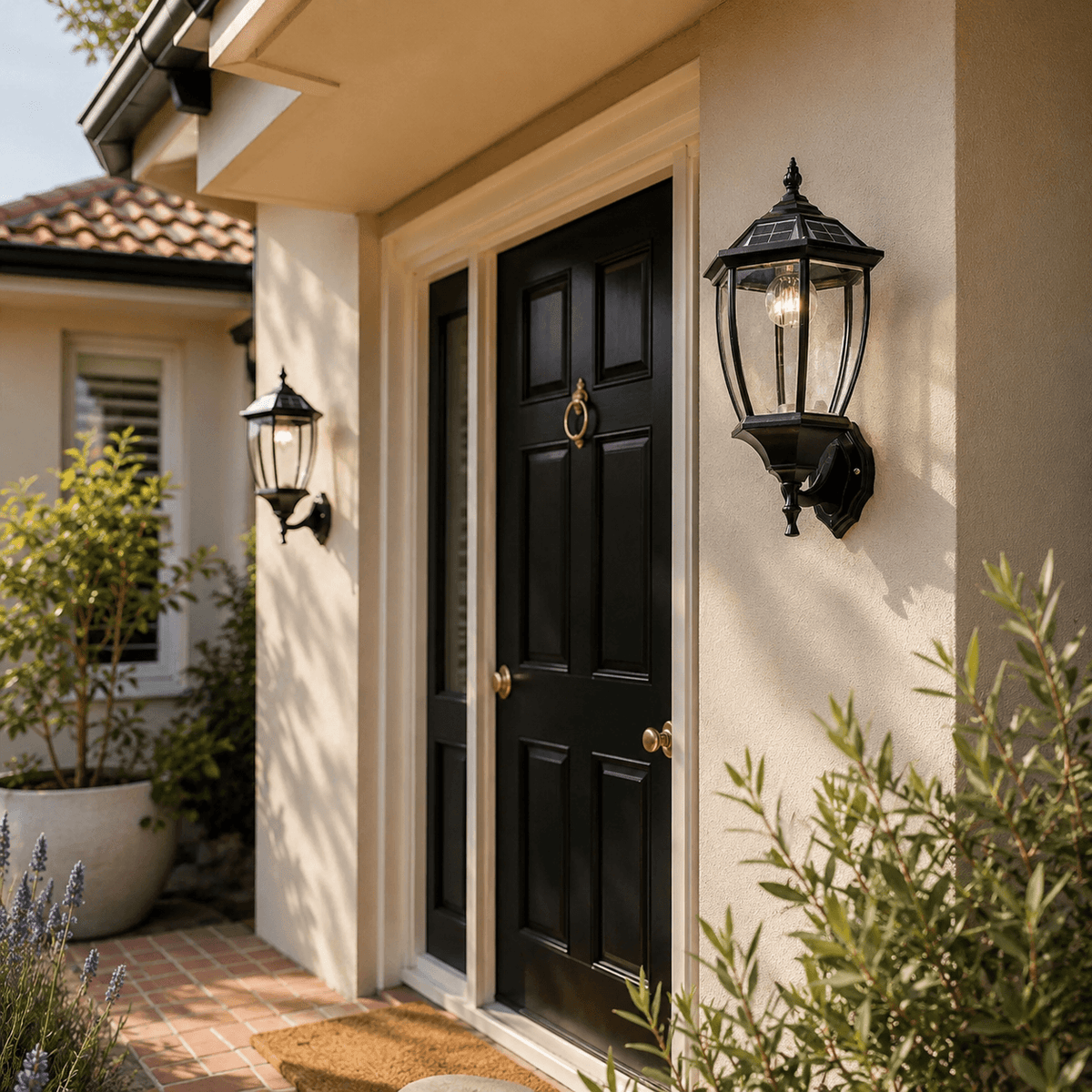
Victorian-style outdoor lights are a popular choice for Australian homeowners who want to add a classic, heritage or traditional character to their property. Two of the most common options are Victorian pillar lights and Victorian post lights.
Although they often share the same decorative lamp head and overall appearance, they are designed for different installation positions. The main difference is not really the style of the light itself, but where it is mounted, how high it sits and how it works with the surrounding property.
Both are best considered decorative and ambient outdoor lights rather than powerful security lighting.
What Is a Victorian Pillar Light?
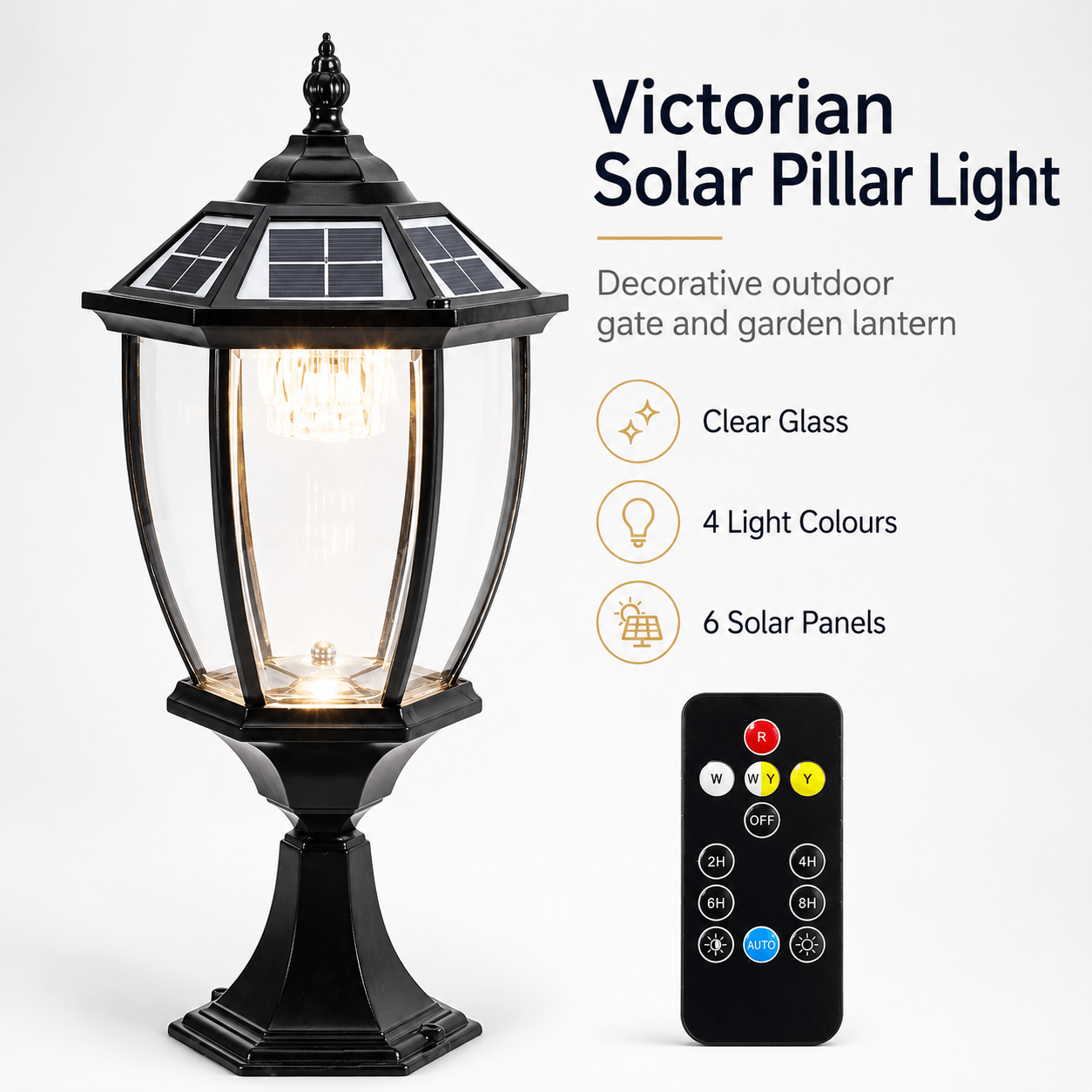
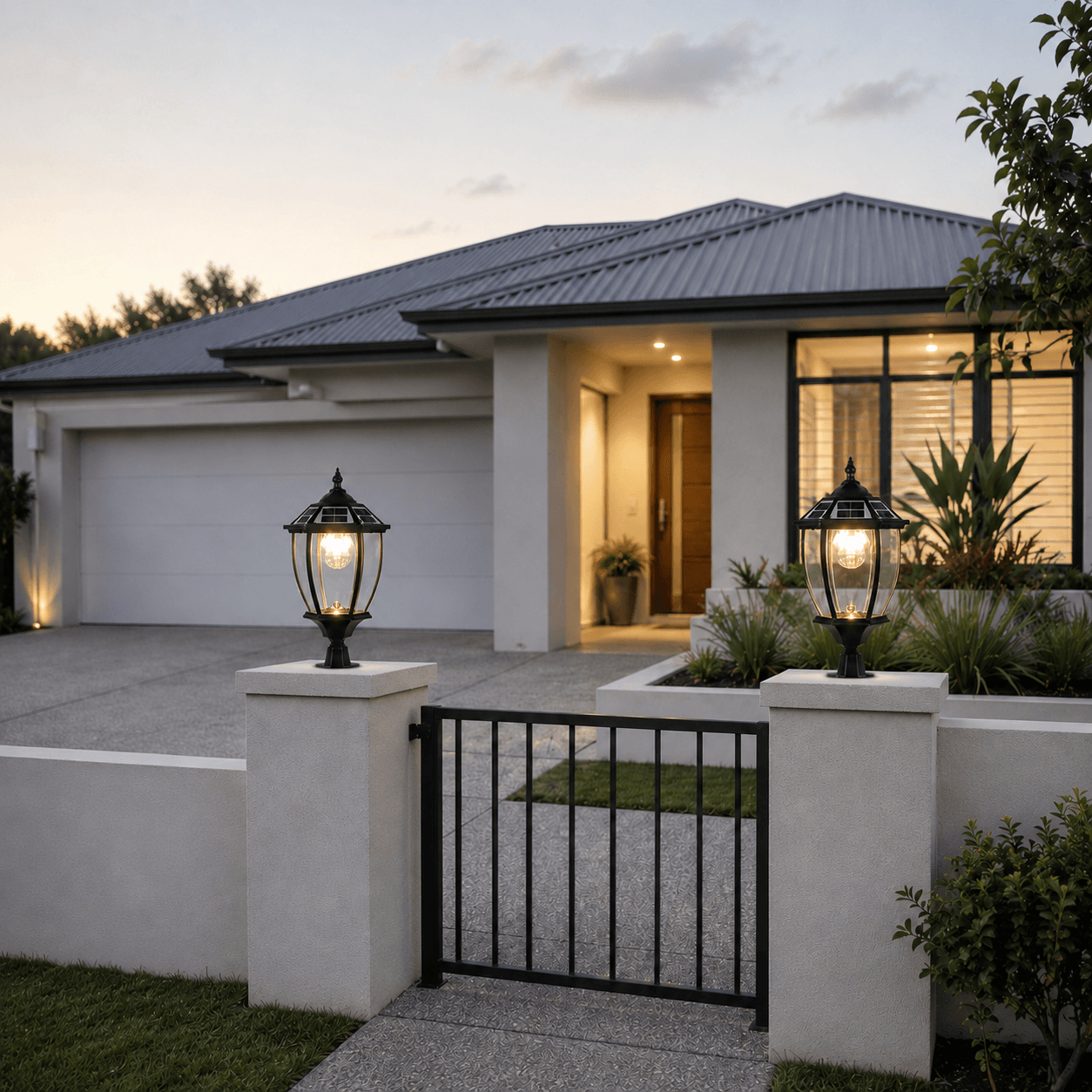
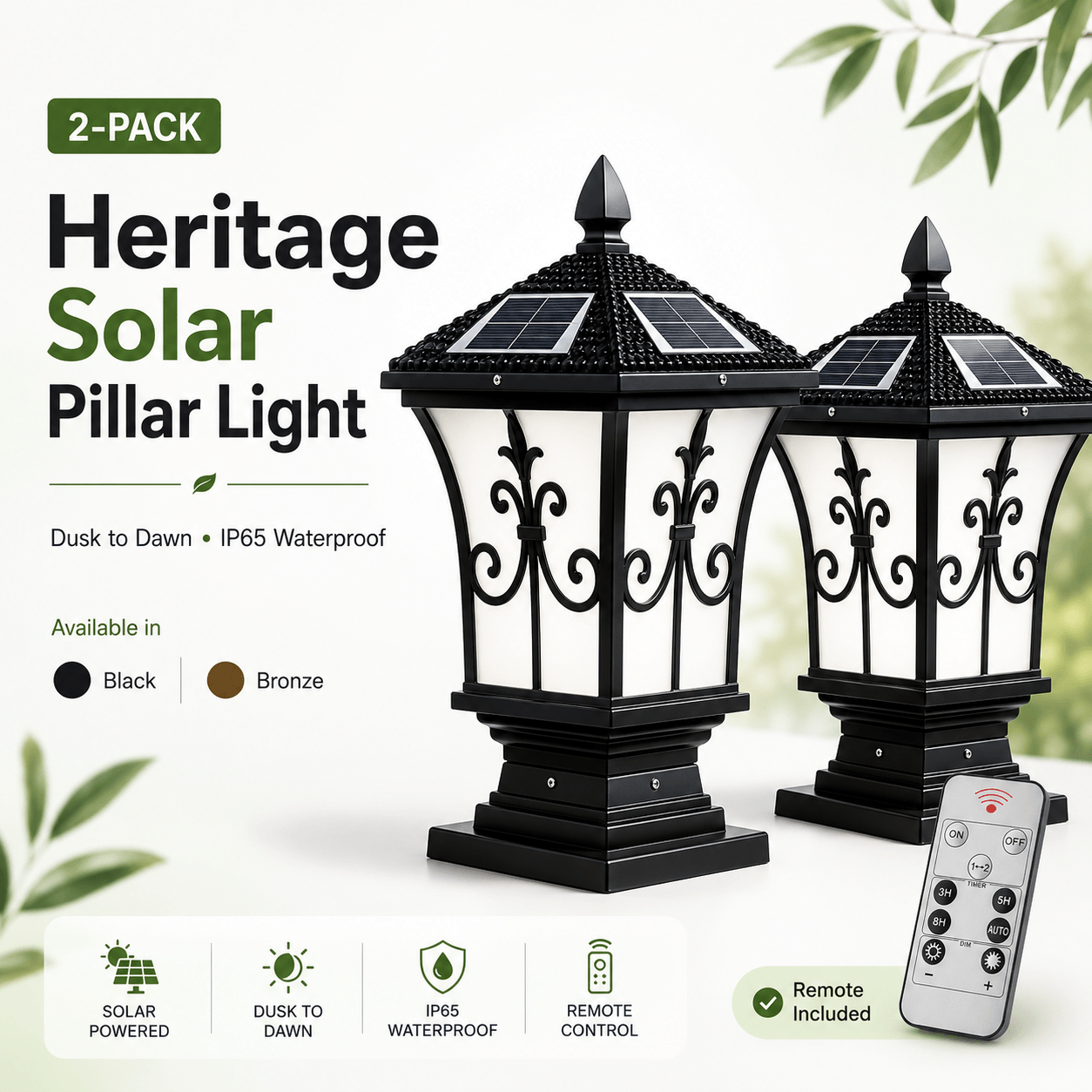
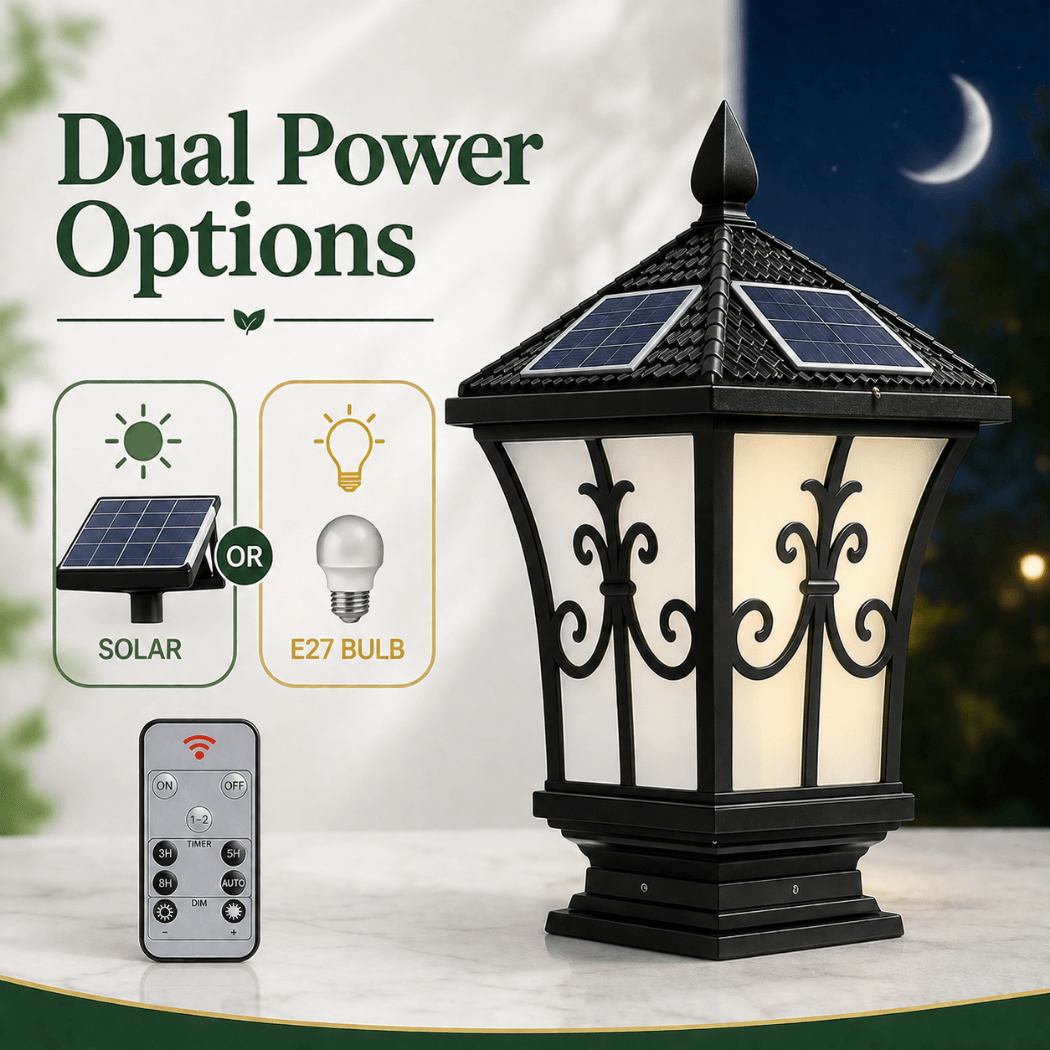
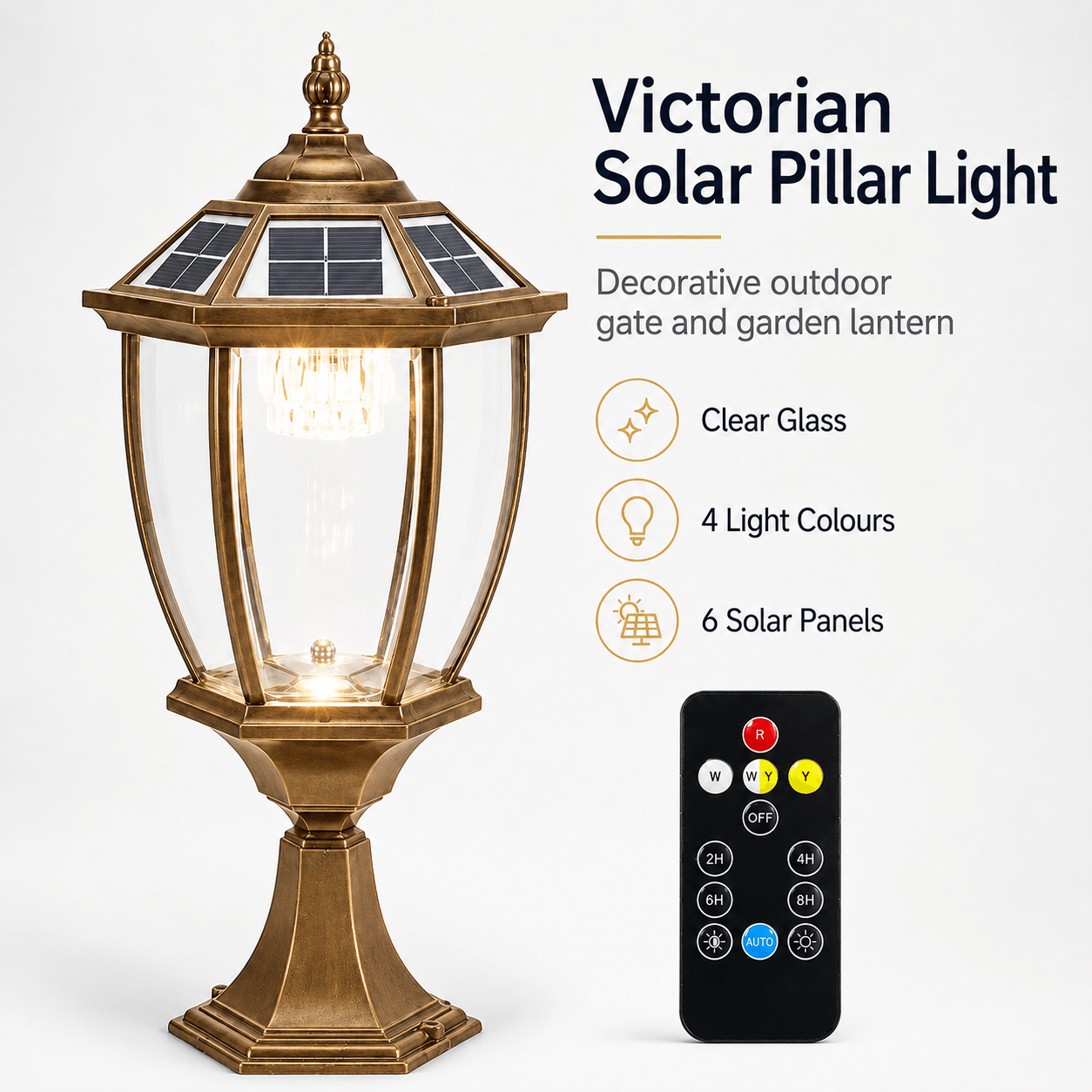
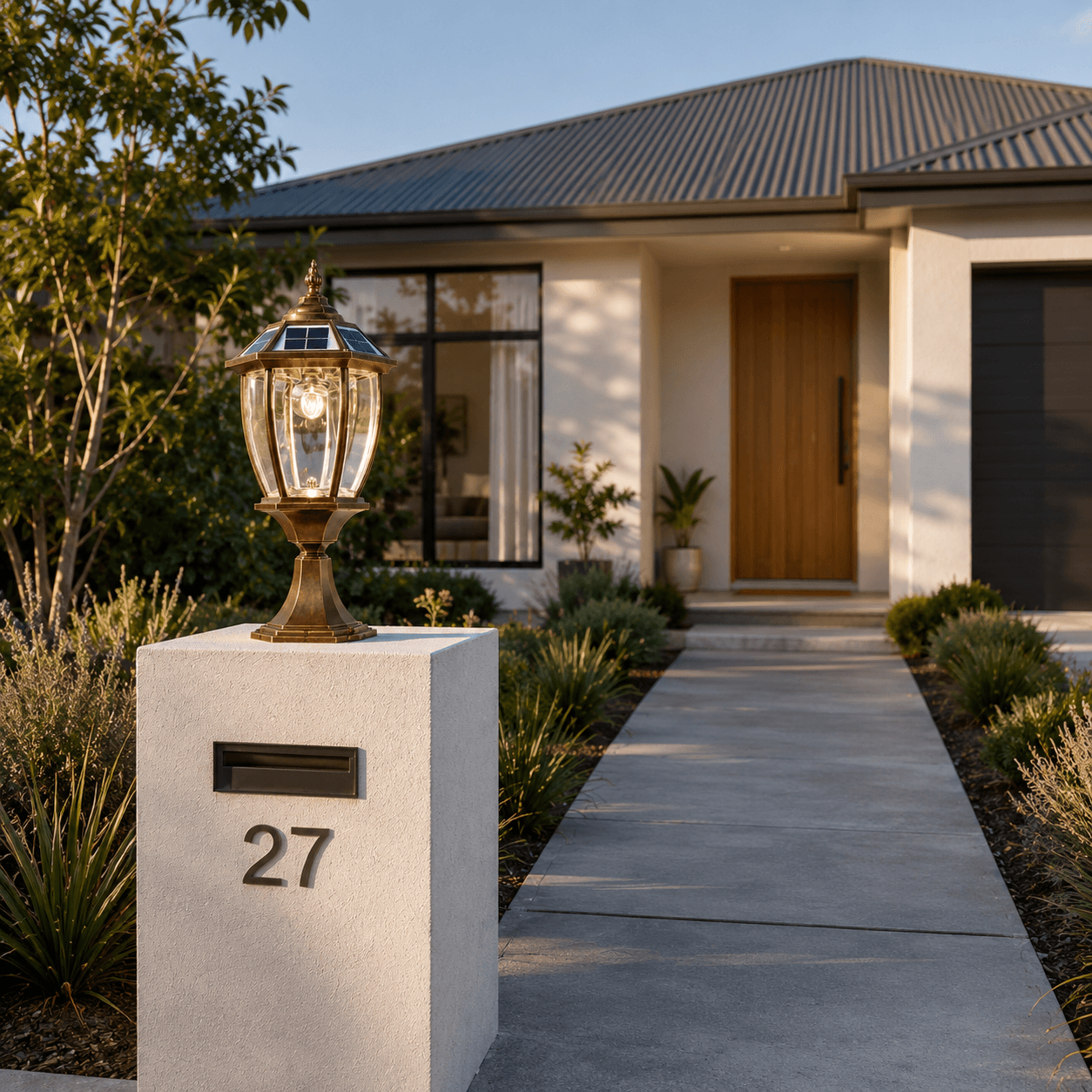
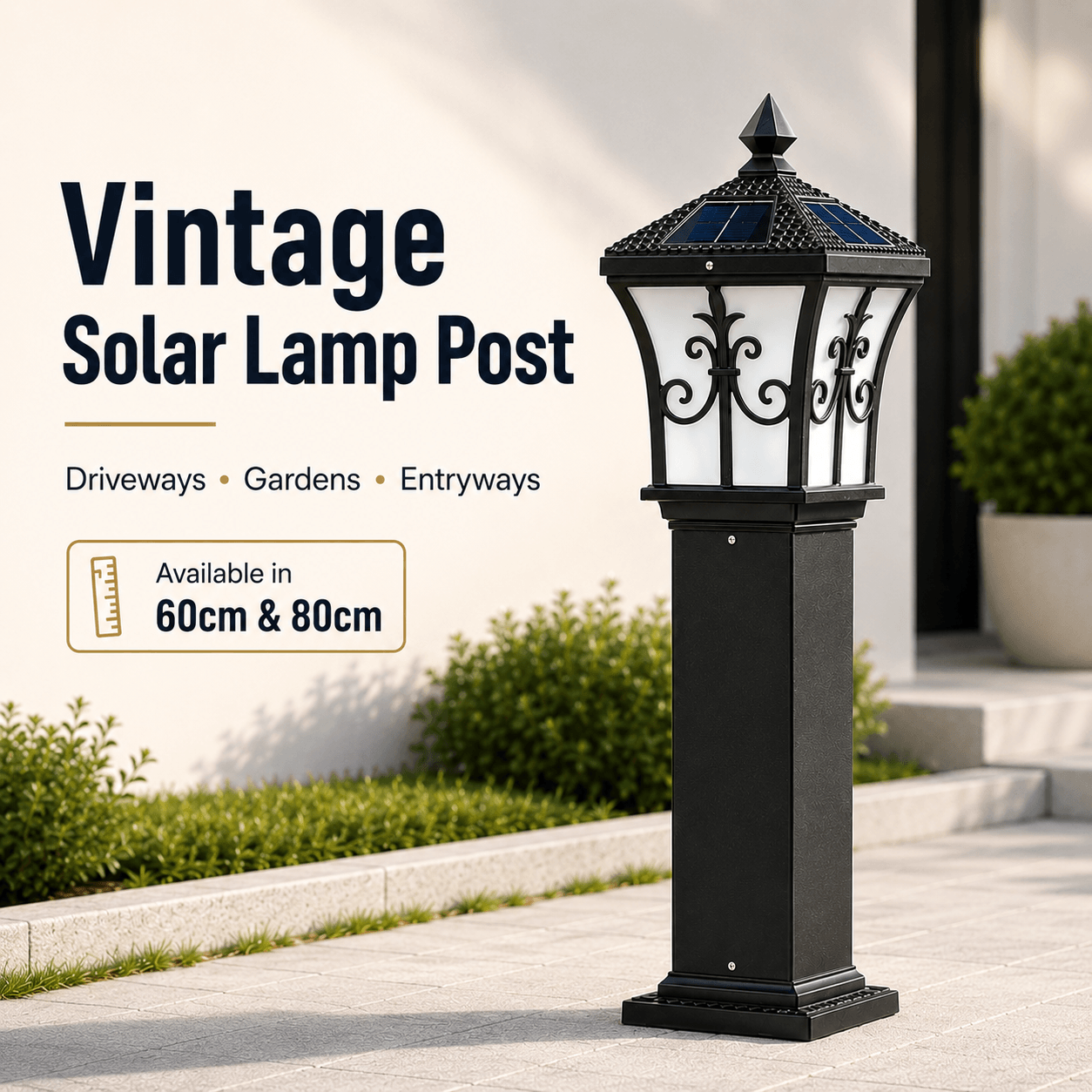
A Victorian pillar light is designed to sit directly on top of a brick pillar, masonry column, fence pier or entrance post.
This makes it particularly suitable for Australian homes with established front gates, rendered entrance columns, brick fencing or driveway pillars.
One of the biggest benefits of a pillar light is the way it becomes part of the architecture. Instead of looking like a separate lighting fixture, it sits naturally on the existing structure and helps create a more finished entrance.
Because pillar lights are generally installed at a lower height, they can also provide a welcoming pool of light around gates, entrances and driveway edges without dominating the surrounding area.
For homeowners with suitable pillars already in place, this is often one of the simplest ways to introduce a traditional Victorian or heritage-style feature.
What Is a Victorian Post Light?
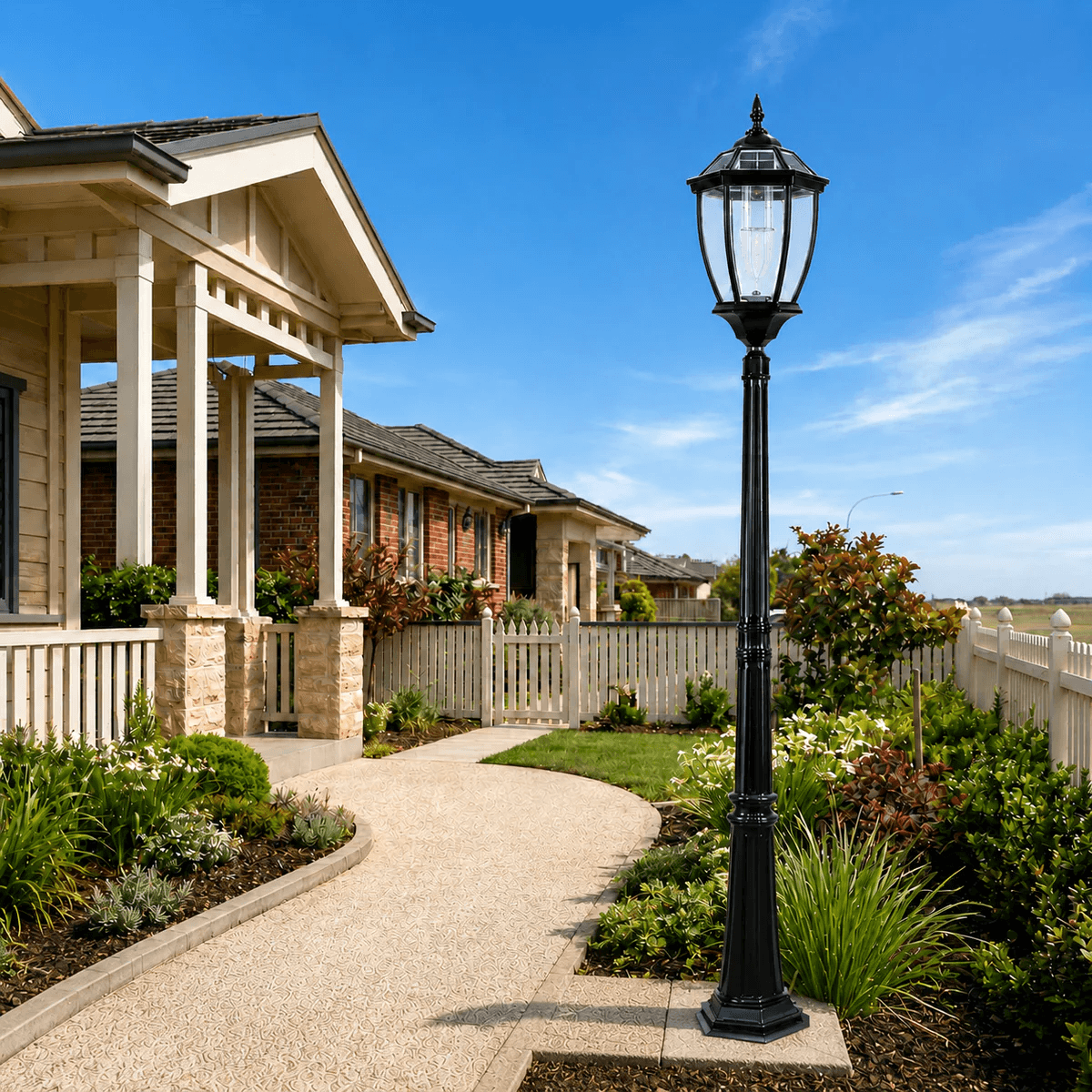
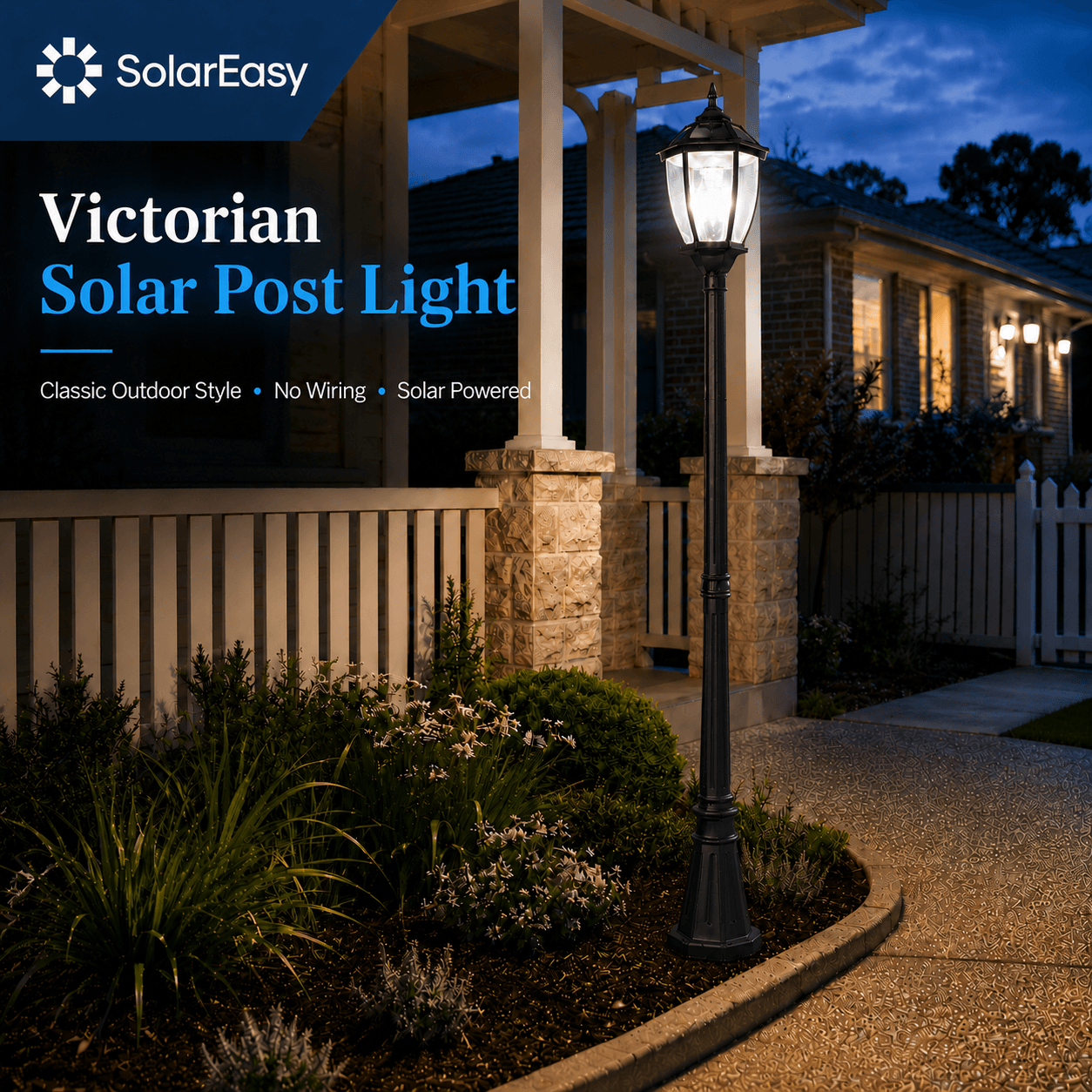
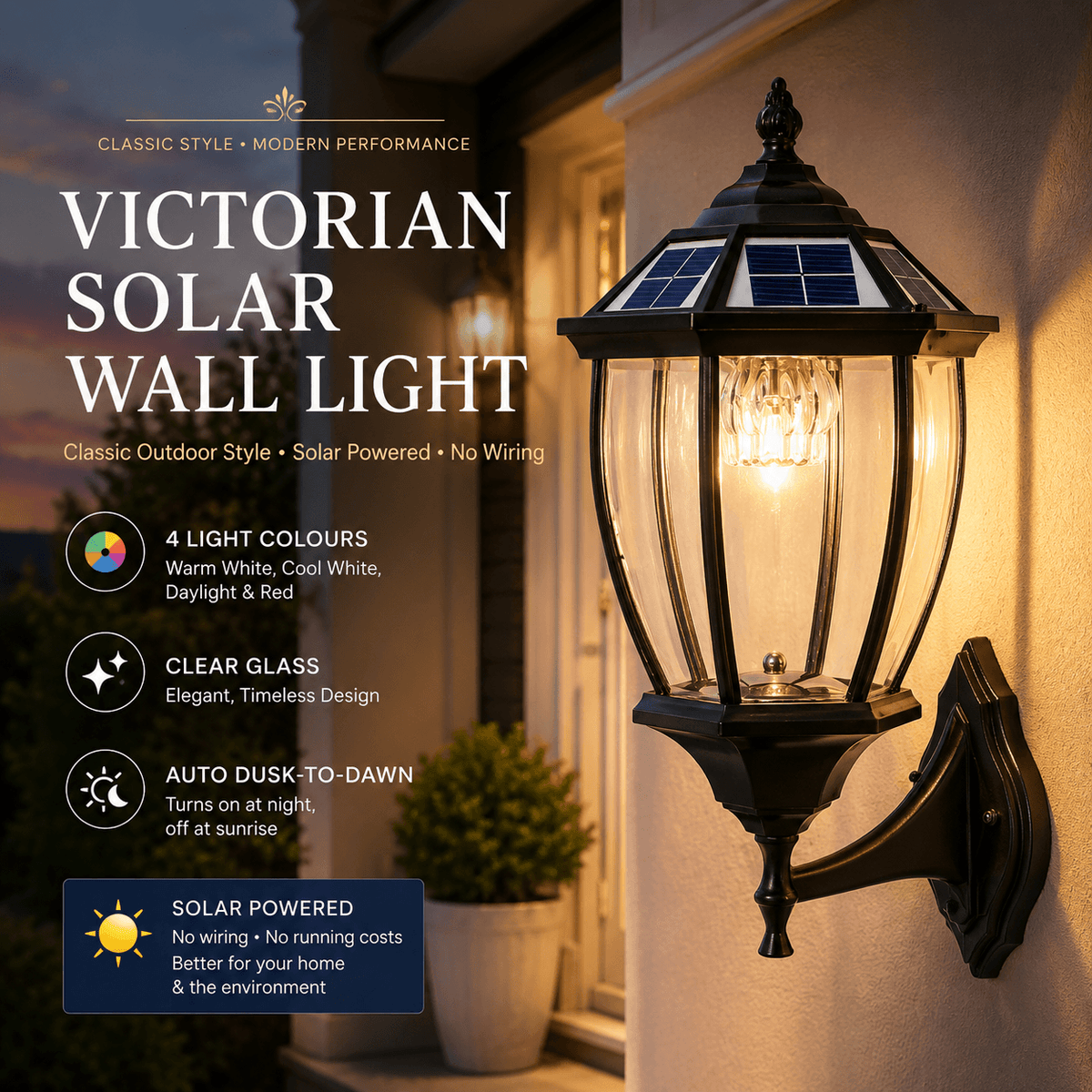
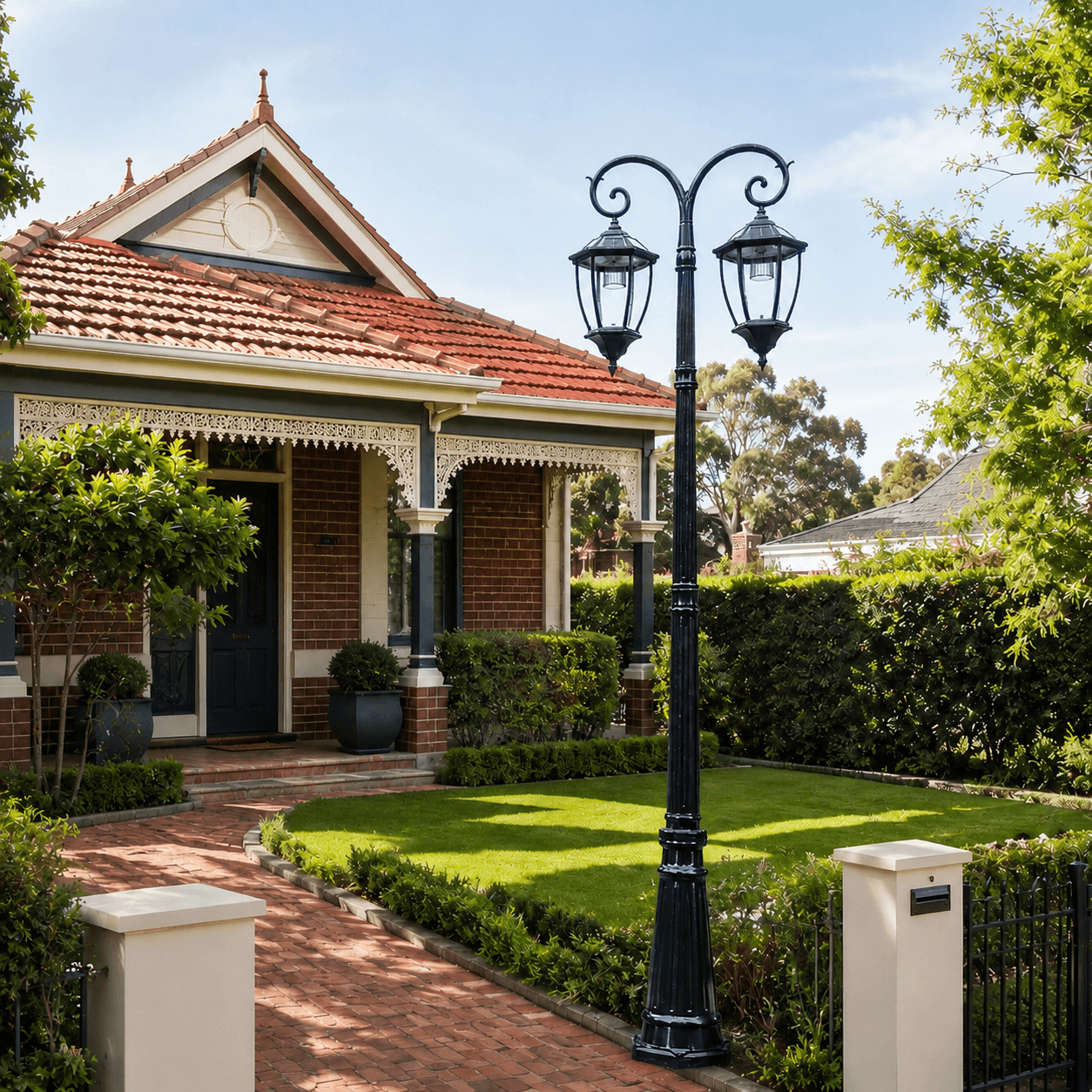
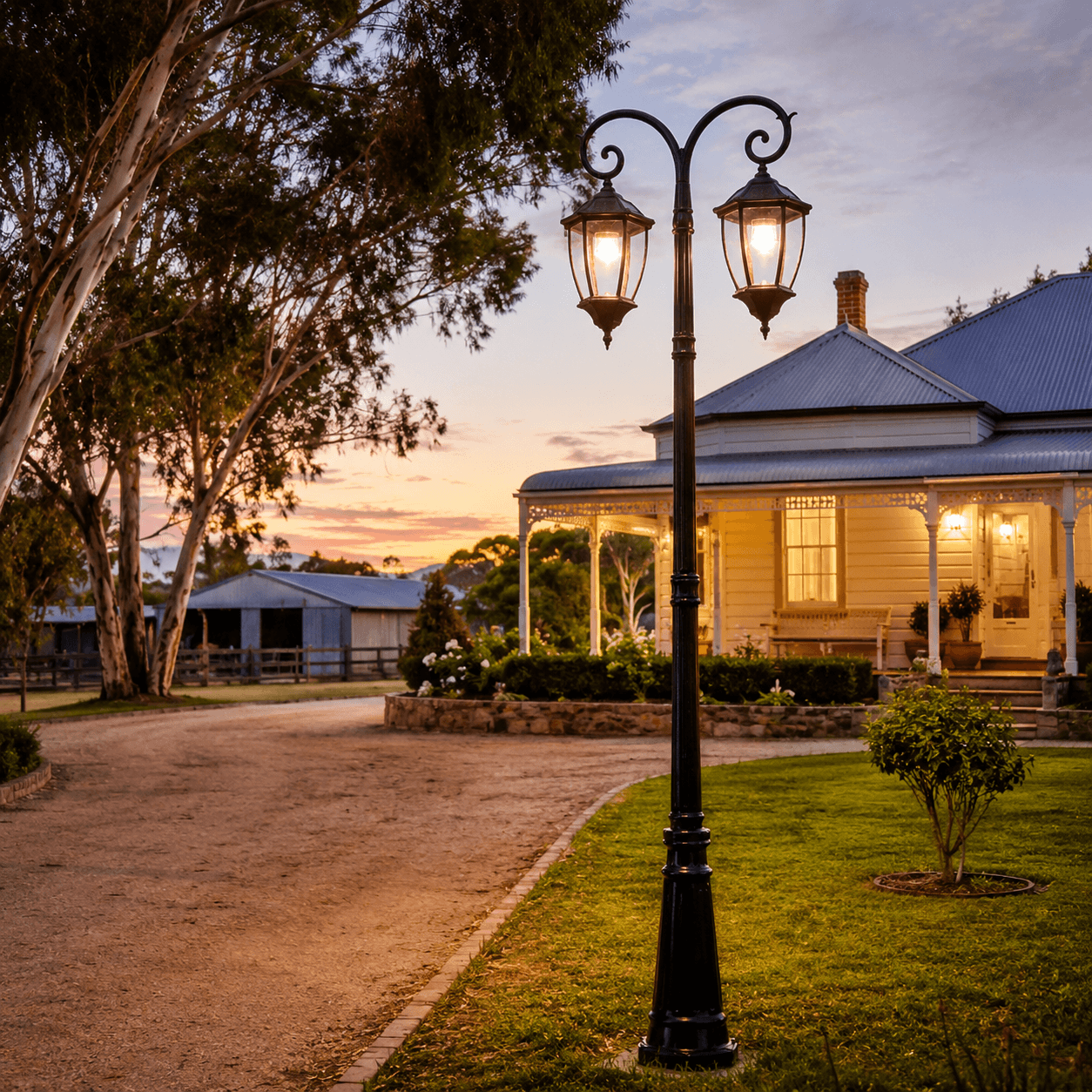
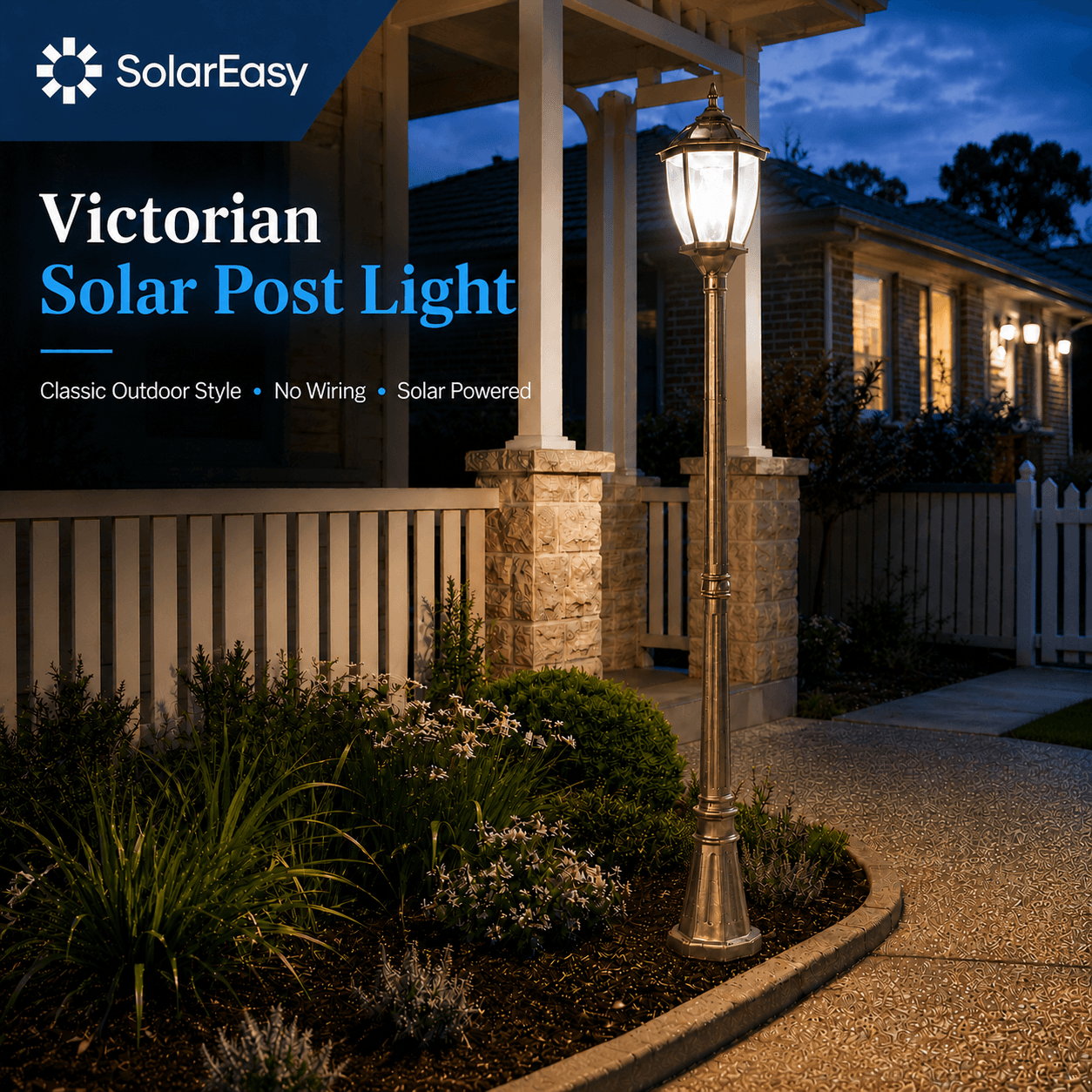
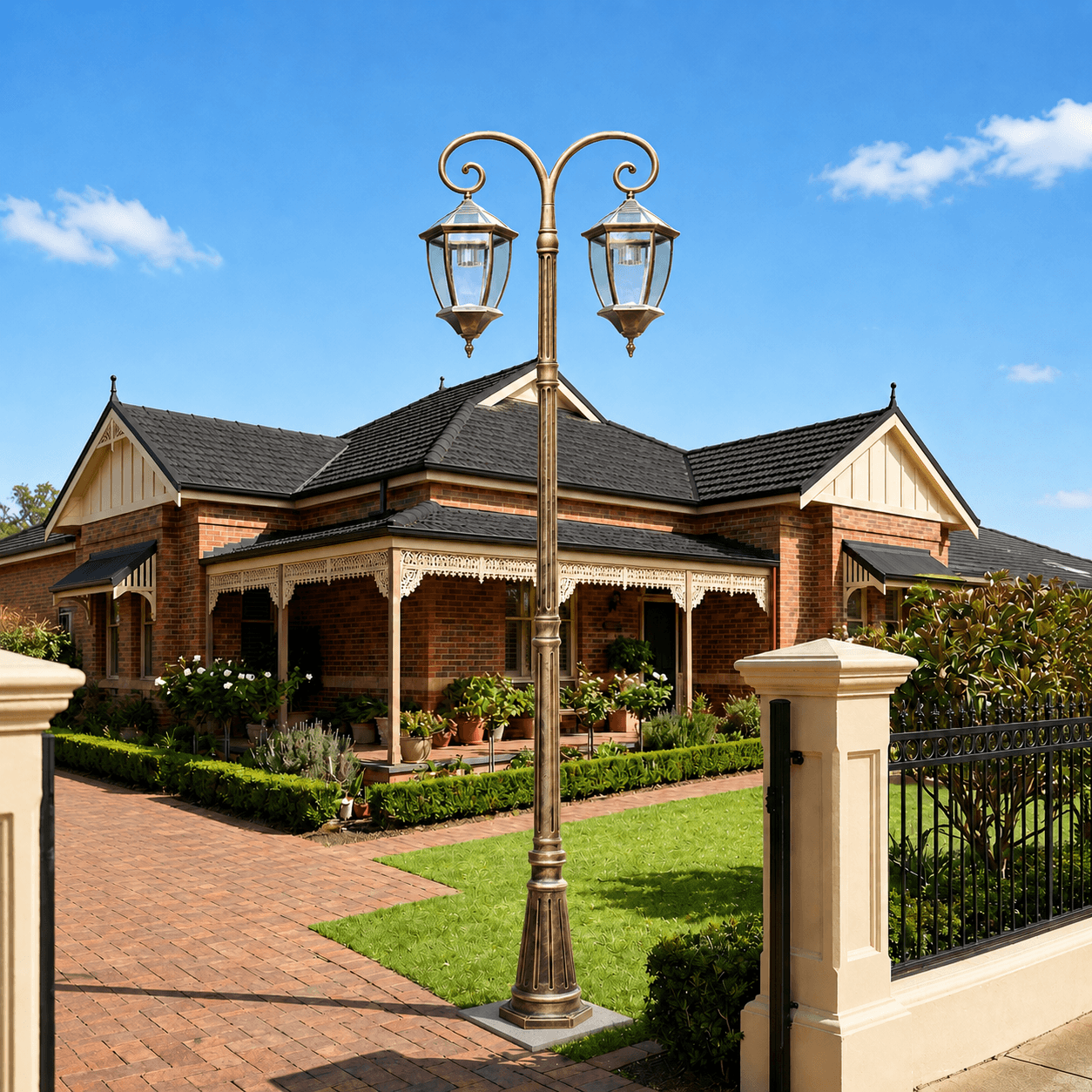
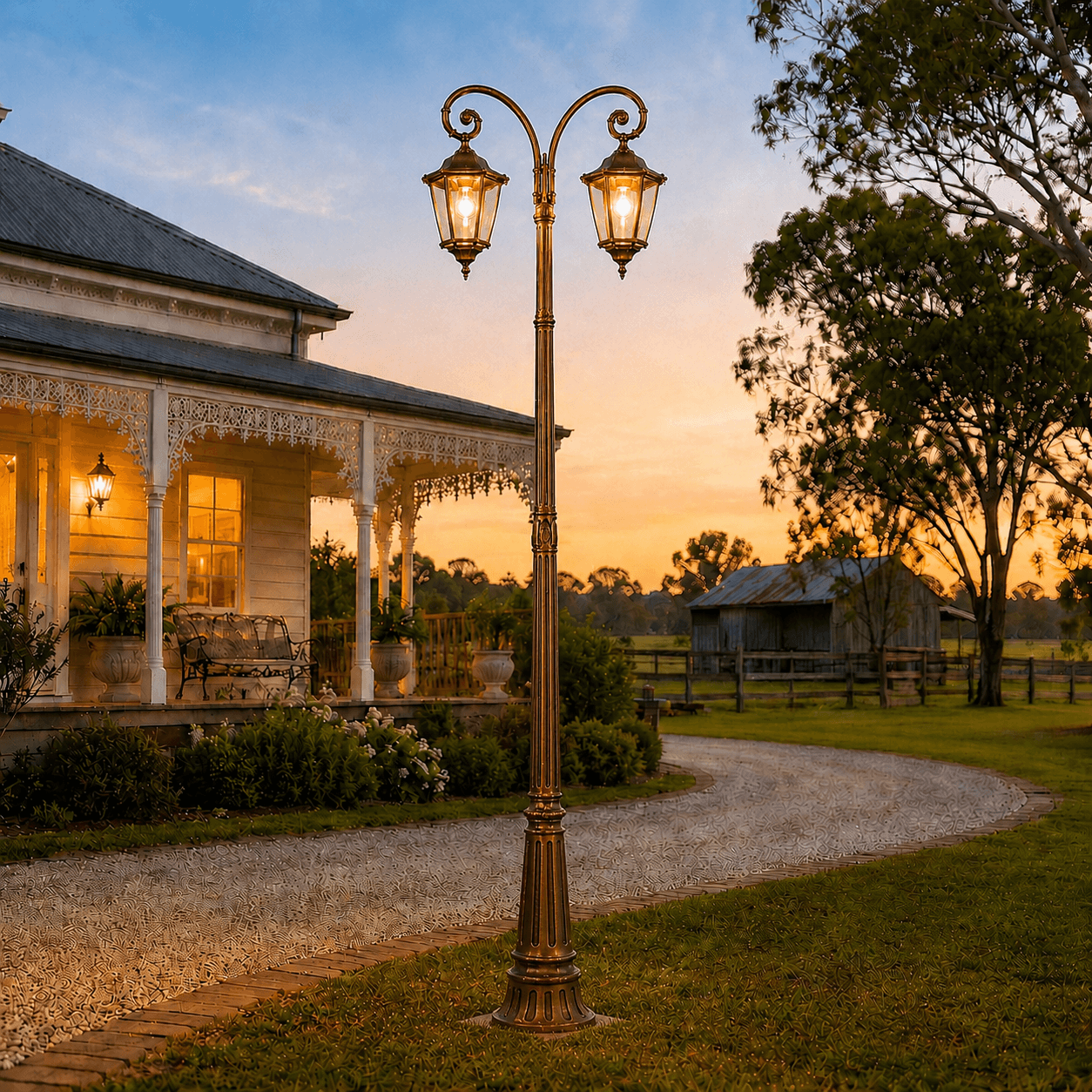
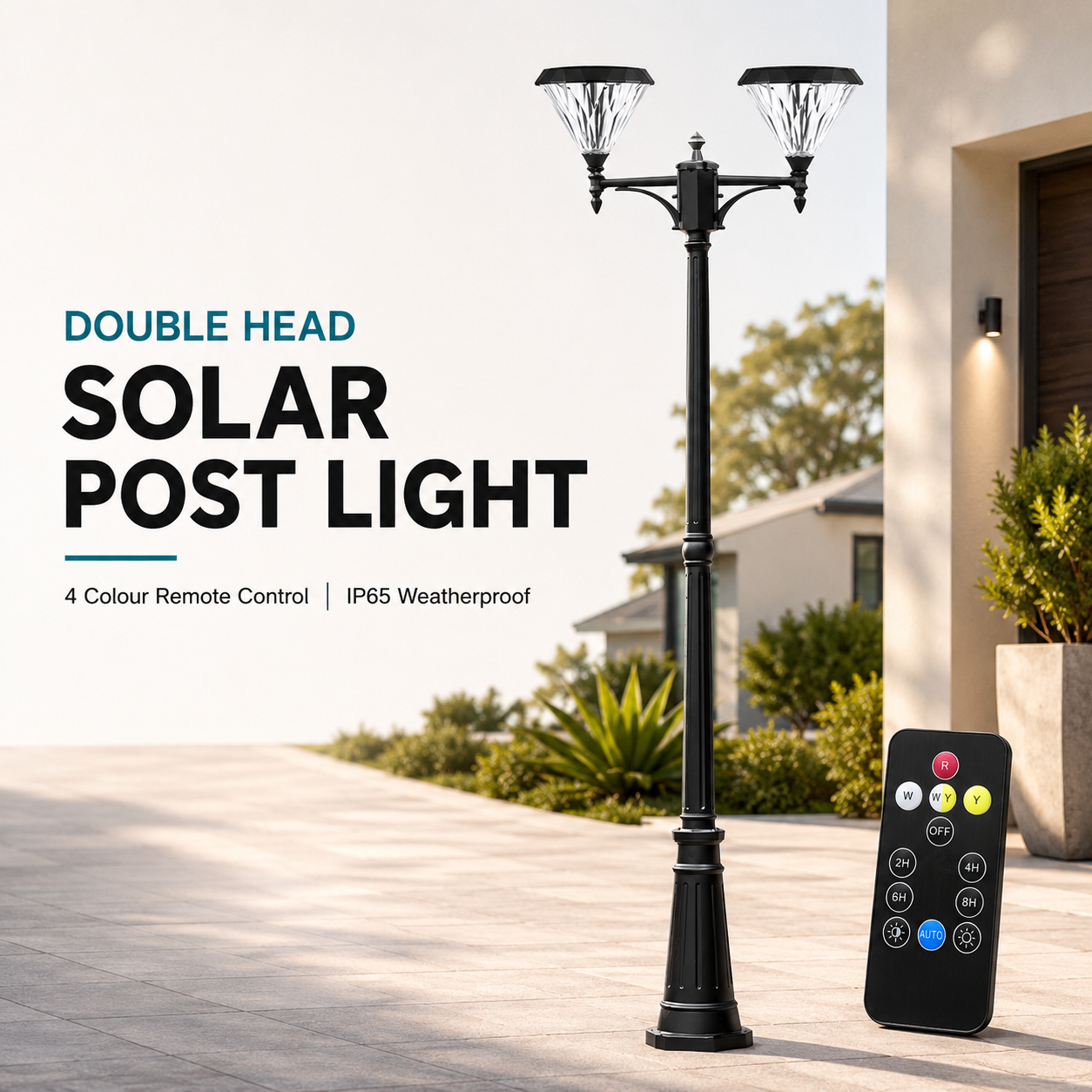
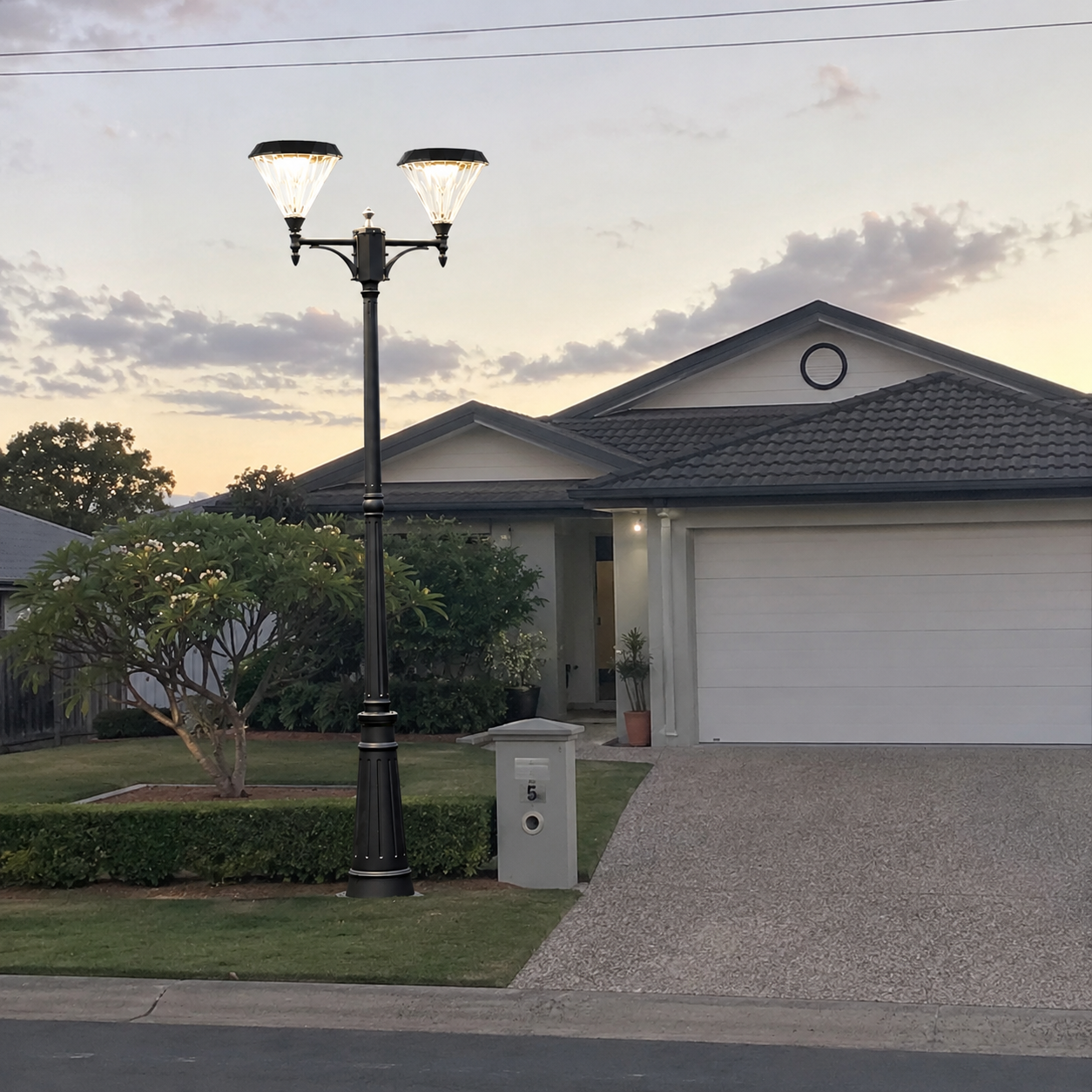
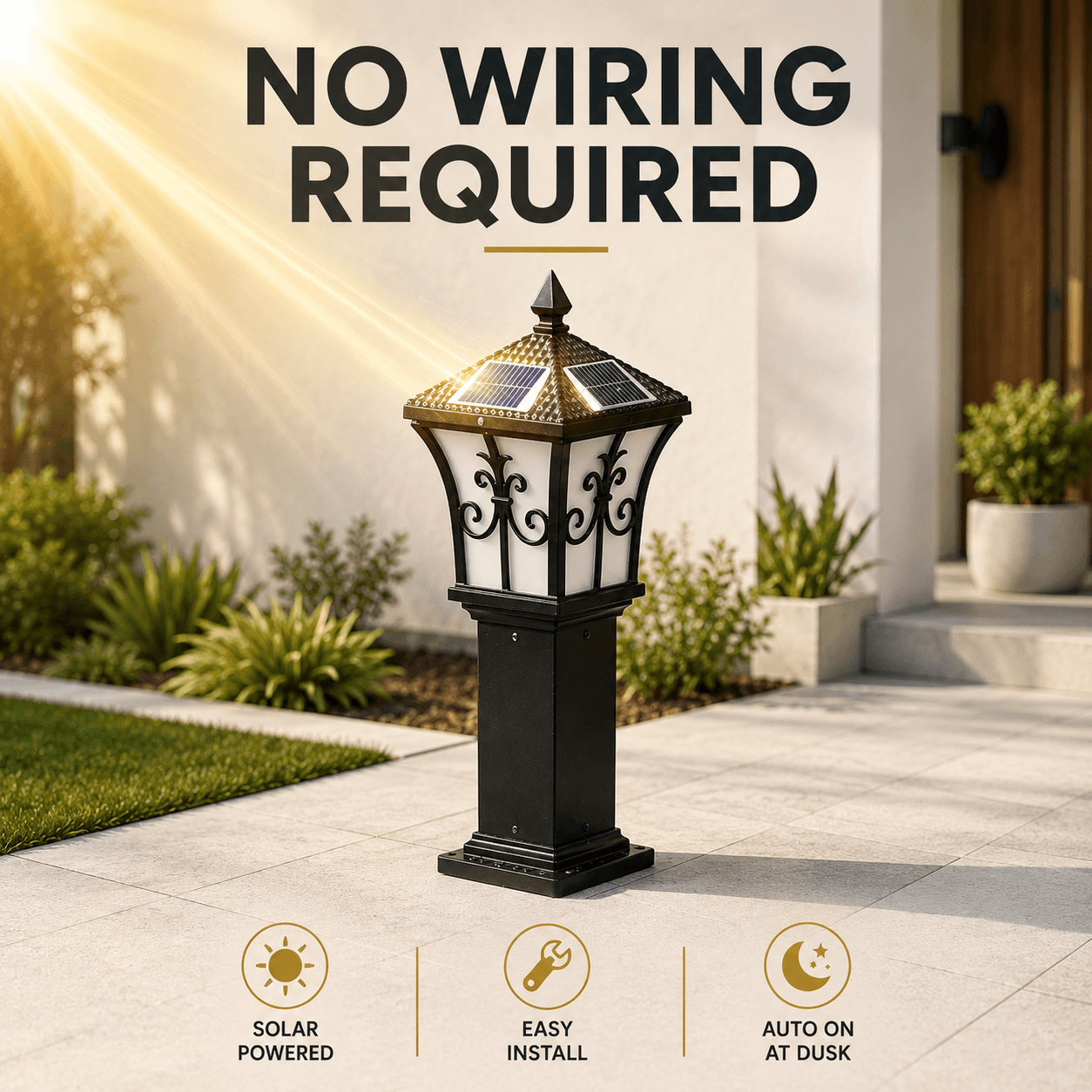
A Victorian post light uses a similar classic lantern-style head but is mounted on a taller freestanding pole or post.
This gives homeowners more freedom over placement.
Post lights can be positioned beside driveways, pathways, lawns, garden beds or entrance areas where there is no existing pillar available.
Their extra height also makes them more noticeable from a distance. This can help create a stronger decorative feature across a larger garden or front yard.
For Australian properties with long driveways, landscaped gardens or more open outdoor areas, Victorian post lights can be particularly useful because they provide both decorative lighting and a clear visual feature after dark.
Pillar Lights vs. Post Lights – Key Differences
The easiest way to understand the difference is to compare how they are used.
| Feature | Victorian Pillar Light | Victorian Post Light |
|---|---|---|
| Mounting | On an existing pillar or column | On a freestanding post |
| Height | Generally lower | Generally taller |
| Best locations | Gates, fence pillars, driveway entrances | Driveways, paths, gardens, lawns |
| Visual effect | Integrated with the architecture | More prominent landscape feature |
| Placement flexibility | Depends on existing structures | Greater freedom of positioning |
Neither option is automatically better. The right choice depends mainly on your property layout.
Which One Is Better for Your Home?
If your home already has brick pillars, entrance columns or substantial fence posts, a Victorian pillar light will usually be the most natural choice.
It can enhance the entrance without requiring an additional freestanding structure and works particularly well with traditional, Federation, heritage-inspired and classic Australian homes.
A SolarEasy Victorian post light is often more suitable when lighting is required further away from the house or gate.
For example, it can be positioned beside a garden path, along a driveway or within a landscaped area where a pillar light could not normally be installed.
The taller height can also make the light more visible and help define larger outdoor areas.
Why Many Australian Homes Can Use Both
In many cases, homeowners do not need to choose between pillar lights and post lights.
The two can work together.
For example, matching Victorian pillar lights can be installed on the front entrance pillars, while Victorian post lights continue the same design along the driveway or through the garden.
Using the same classical lamp style across different locations helps create a consistent exterior appearance.
This is especially effective on homes where the owner wants to maintain a coordinated Victorian, classical, heritage or antique-inspired look rather than mixing several unrelated outdoor lighting styles.
Benefits of Choosing Solar Victorian Lights
Solar-powered versions provide additional advantages for Australian homes.
Because they do not require mains electricity, they can often be installed without underground electrical cabling or extensive trenching. This can be especially useful around established gardens, driveways and boundary areas.
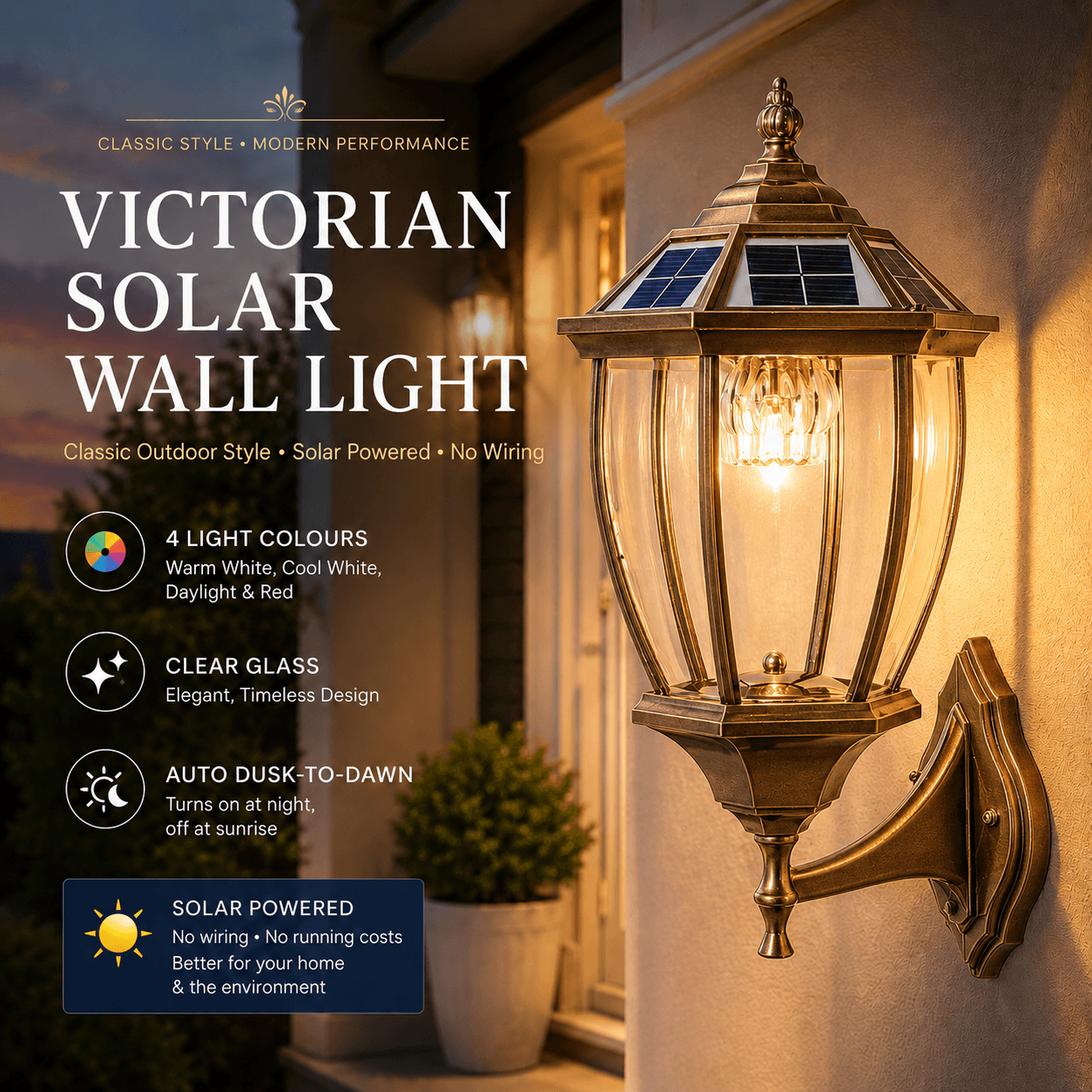
Solar Victorian lights can also operate automatically from dusk to dawn, providing convenient decorative lighting each evening without drawing electricity from the grid.
Selectable warm white and cool white lighting can provide further flexibility. Warm white can complement traditional brickwork and heritage-style homes, while cool white may suit homeowners wanting a cleaner, brighter appearance.
Choose According to Location and Height
SolarEasy Victorian pillar lights and Victorian post lights can provide the same timeless decorative character, but they serve different purposes.
Choose a pillar light when you already have a suitable entrance pillar or column and want the lighting to blend naturally with the architecture.
Choose a post light when you need more height, greater placement flexibility or a stronger decorative feature within the driveway, pathway or garden.
For many Australian homes, combining both can provide the best result — creating a consistent Victorian-inspired appearance from the front gate through to the surrounding landscape.