
Choosing the Right Style for Your Home
Outdoor lighting does more than help define a pathway or entrance. The style of the light can influence how your entire home looks from the street, especially around front gates, pillars, driveways and landscaped areas.
For Australian homeowners, the best outdoor light is not always the newest or most modern design. A good choice should complement the architecture of the home, suit the surrounding garden or fencing, and still look appropriate many years from now.
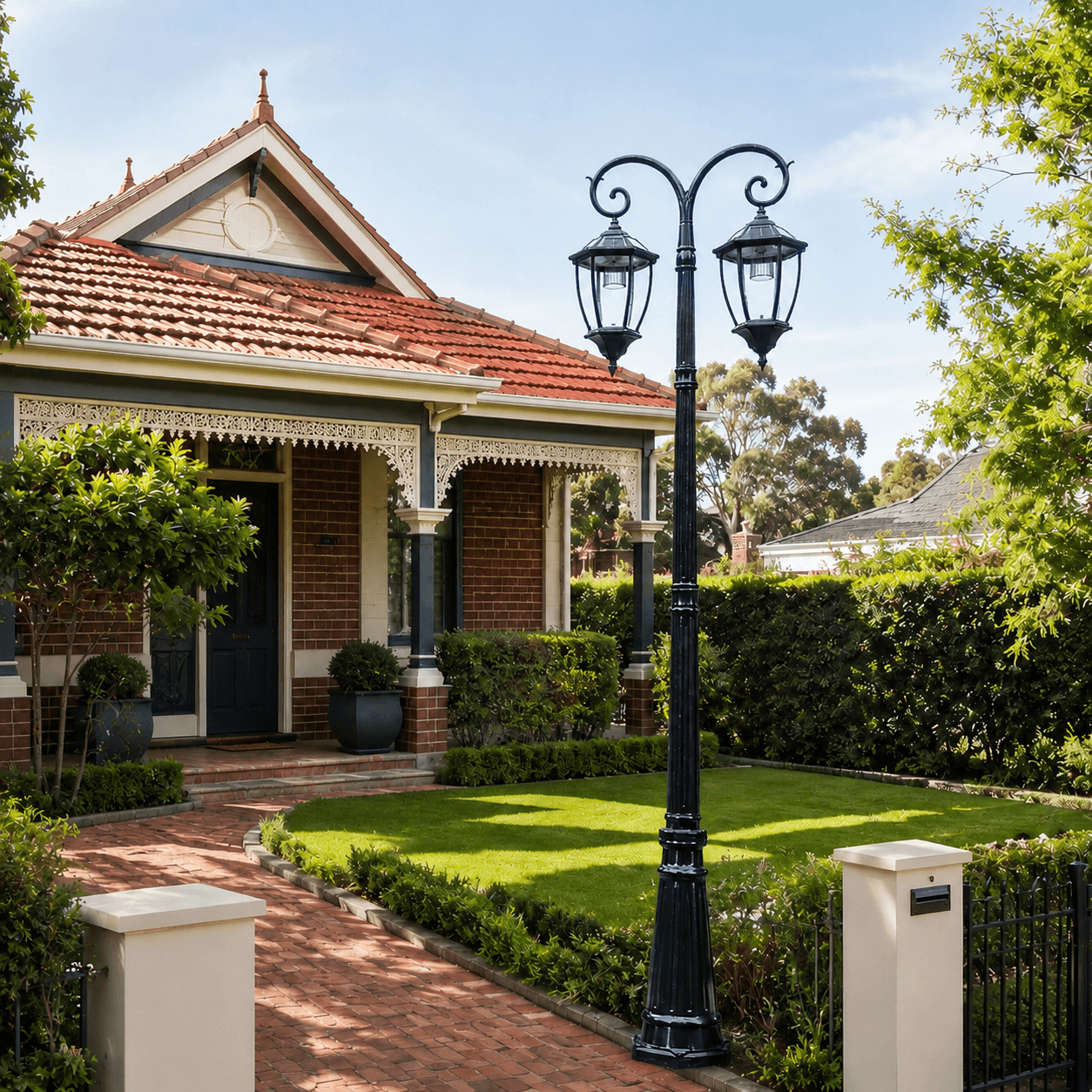
This is one reason Victorian-style solar pillar and post lights remain a popular option. Their classic shape, decorative detailing and traditional character can suit heritage-inspired properties particularly well, while also adding warmth and personality to many newer homes.
Why Outdoor Lighting Style Matters
Outdoor lighting is often one of the first details people notice when approaching a property.
A light installed on a front gate pillar, beside a driveway or along a garden path becomes part of the home's exterior design even during the daytime. For this reason, choosing a light purely by brightness or price can sometimes produce a result that feels visually disconnected from the house.
A well-selected light should work with elements such as:
- The architectural style of the house
- Brick, stone, render or timber finishes
- Fence and gate design
- Roof shape and colour
- Garden landscaping
- The size and proportions of the entrance
For many homes, particularly those with traditional or decorative architectural elements, a classic or Victorian-style light can help create a more complete and considered appearance.
Start With the Architectural Style of Your Home
Before choosing an outdoor light, look at the overall character of the property.
Modern homes with strong straight lines, large windows and simple rendered walls may naturally suit minimalist lighting. Contemporary black rectangular fittings, for example, can blend neatly into modern architecture.
Traditional homes often benefit from something different.
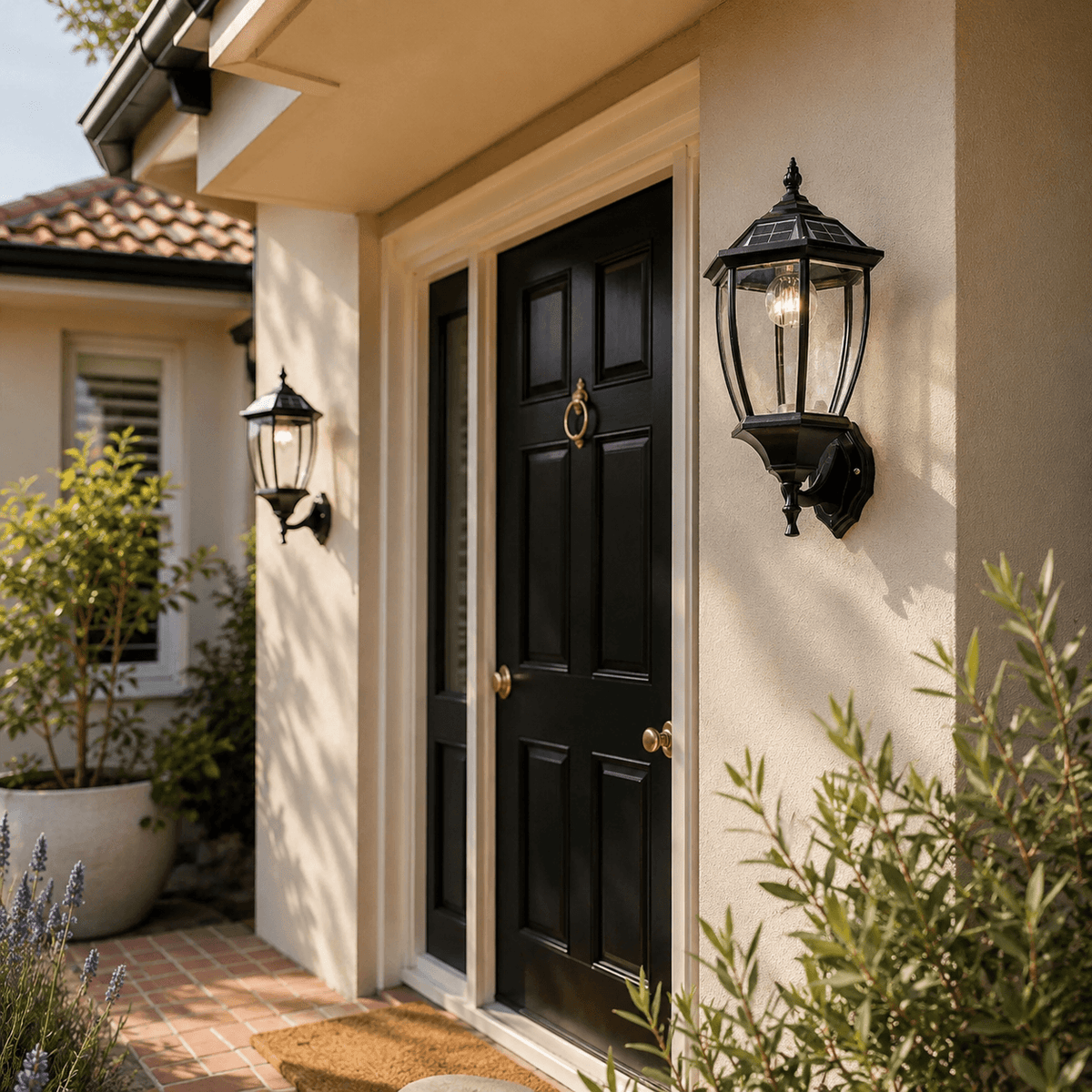
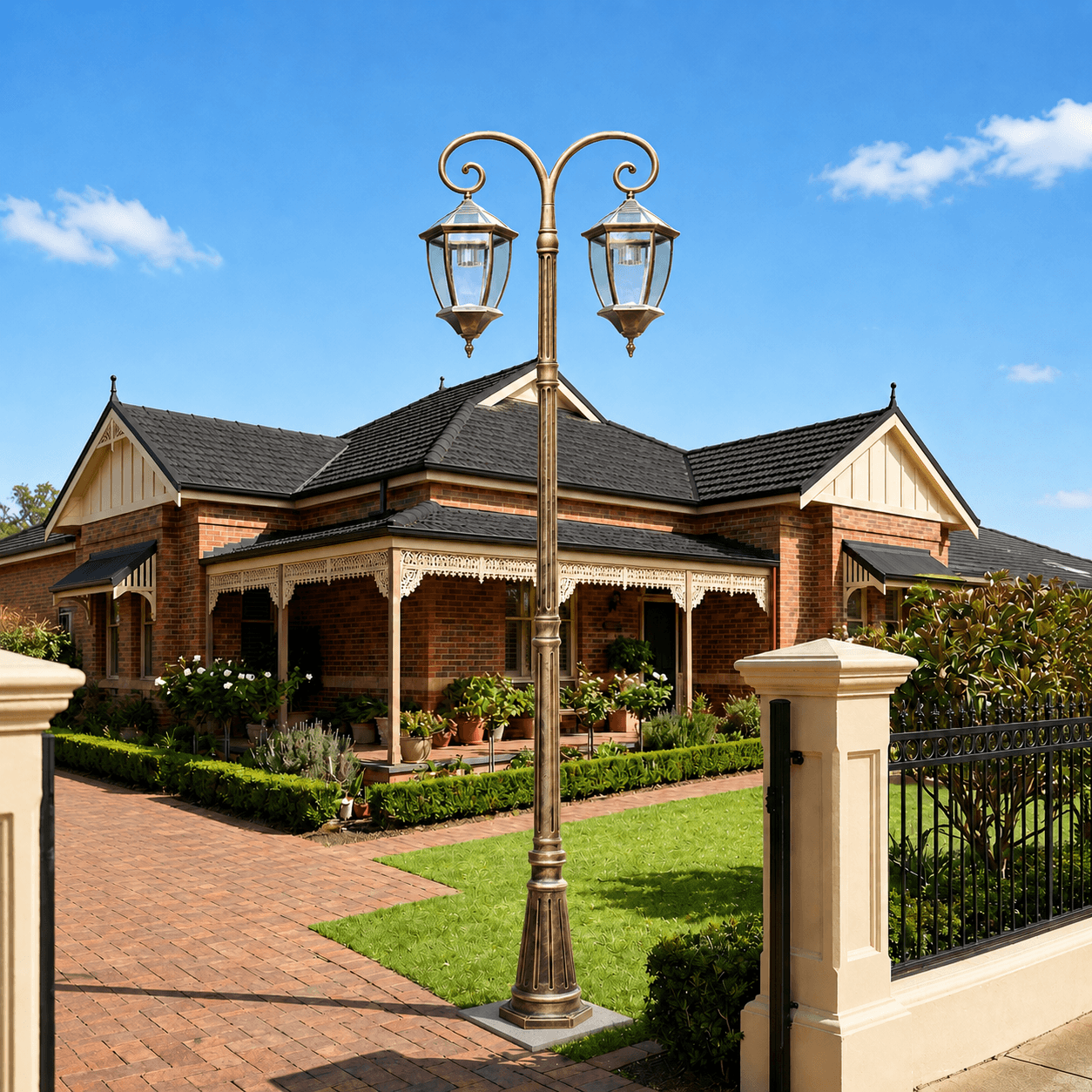
Australian properties influenced by Victorian, Federation, Edwardian, colonial or other heritage styles commonly feature decorative verandahs, brickwork, front fences, gates and more detailed rooflines. A very plain modern fitting can sometimes look out of place beside these features.
This is where Victorian, classical or heritage-style outdoor lights can work especially well.
Their lantern-inspired appearance provides more visual detail and can help reinforce the traditional character already present in the home.
Modern, Contemporary or Traditional?
There is no single lighting style that suits every property.
Modern outdoor lights generally work best where the homeowner wants the fitting to disappear into the architecture. They tend to use simple geometric shapes, smooth surfaces and minimal decoration.
Victorian and antique-inspired lights take almost the opposite approach.
Instead of disappearing, they become part of the design.
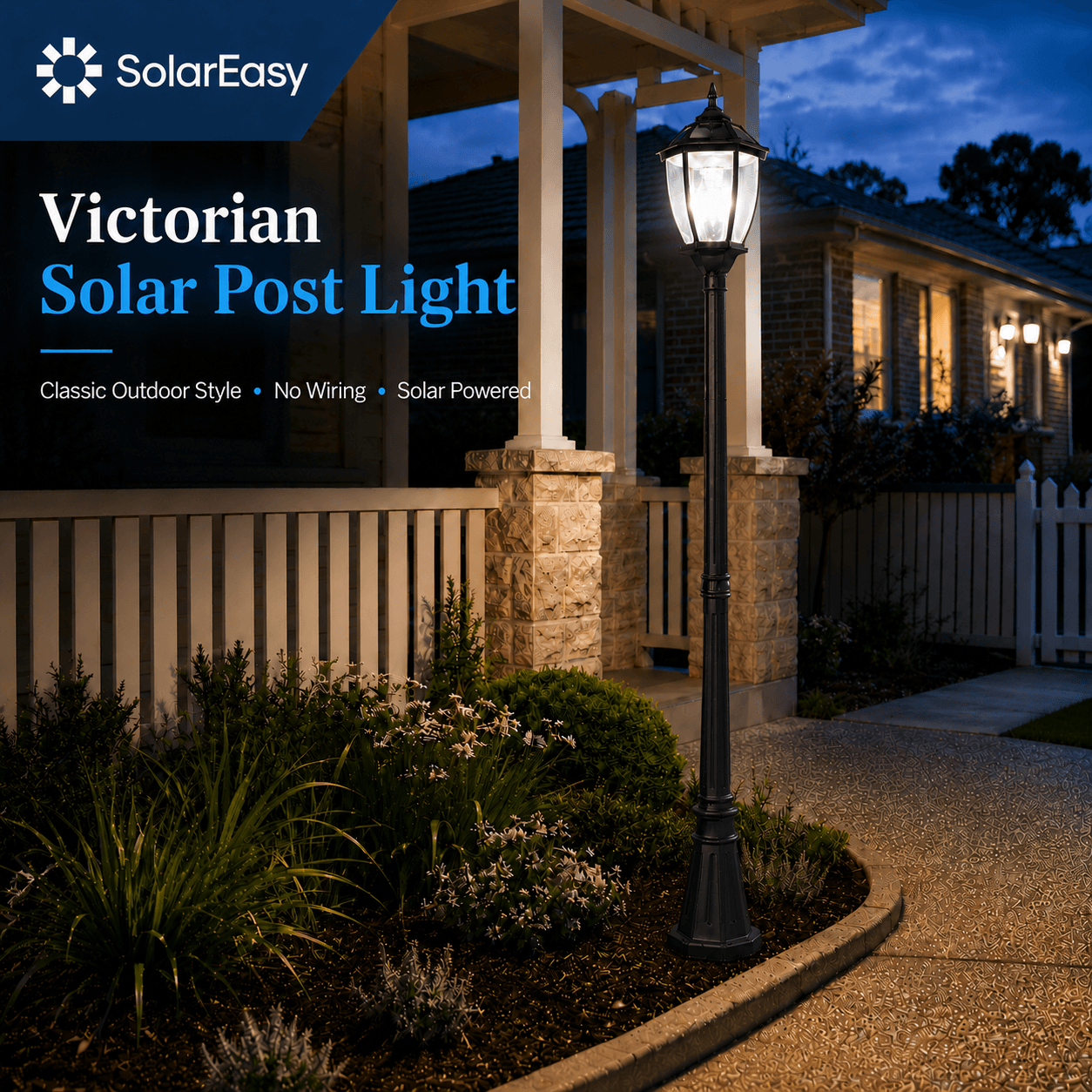
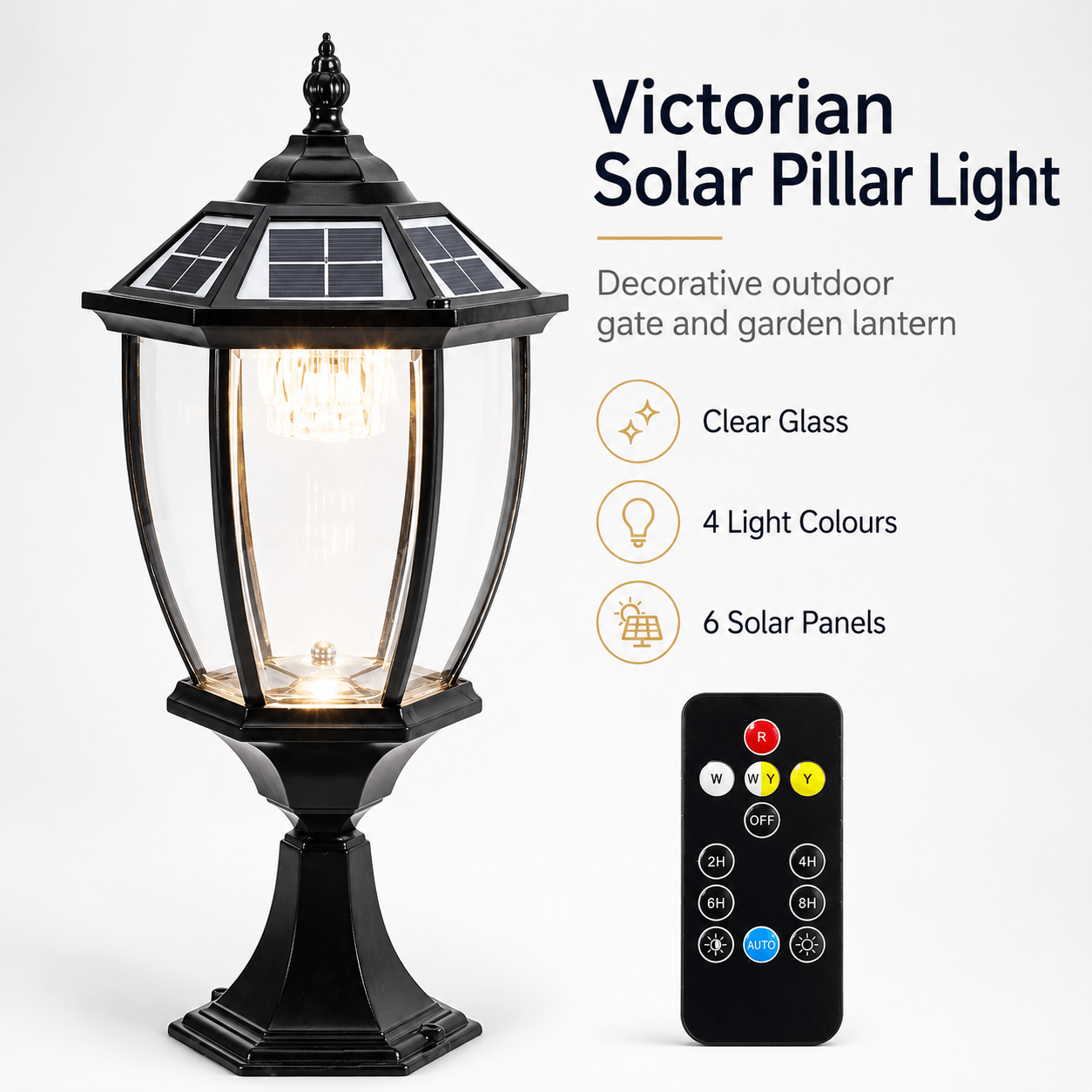
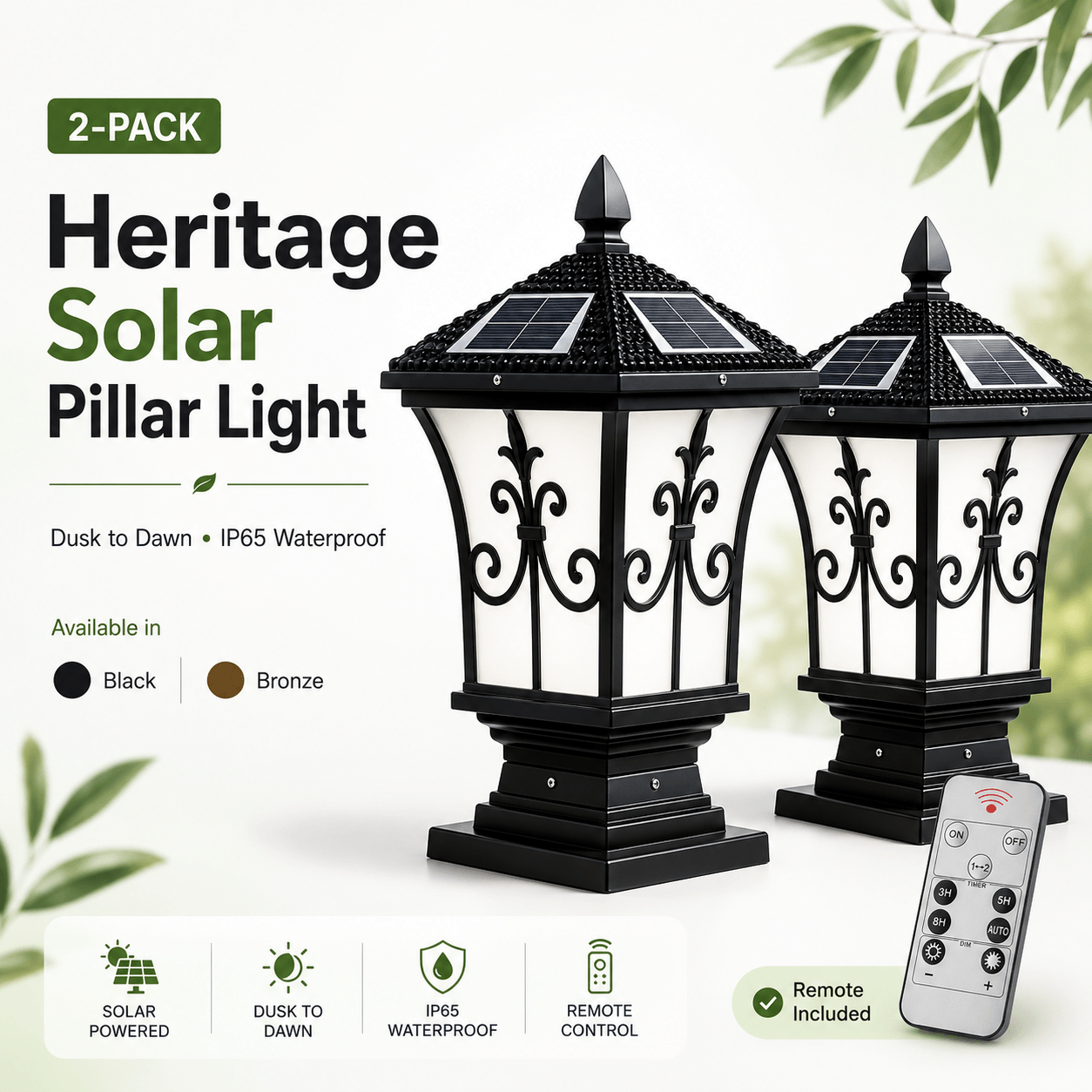
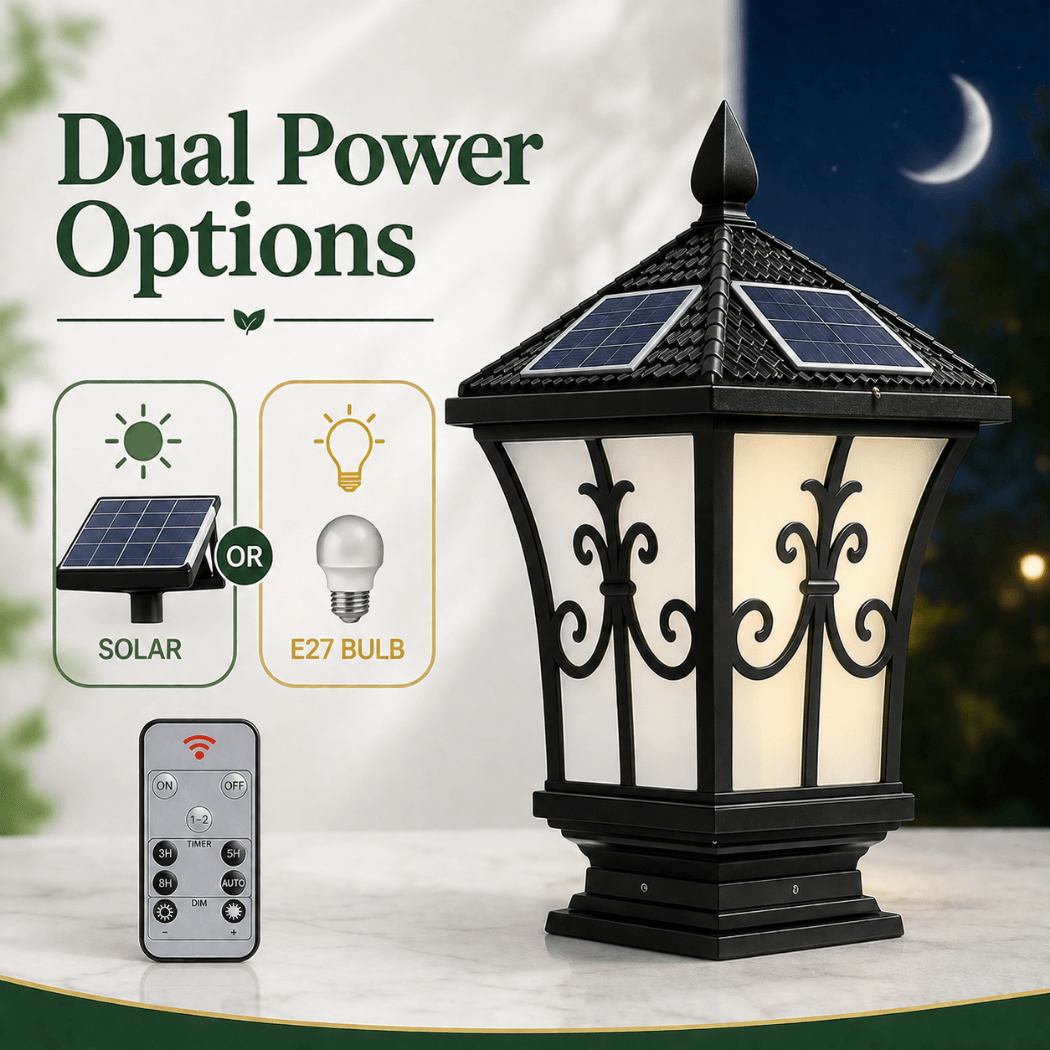
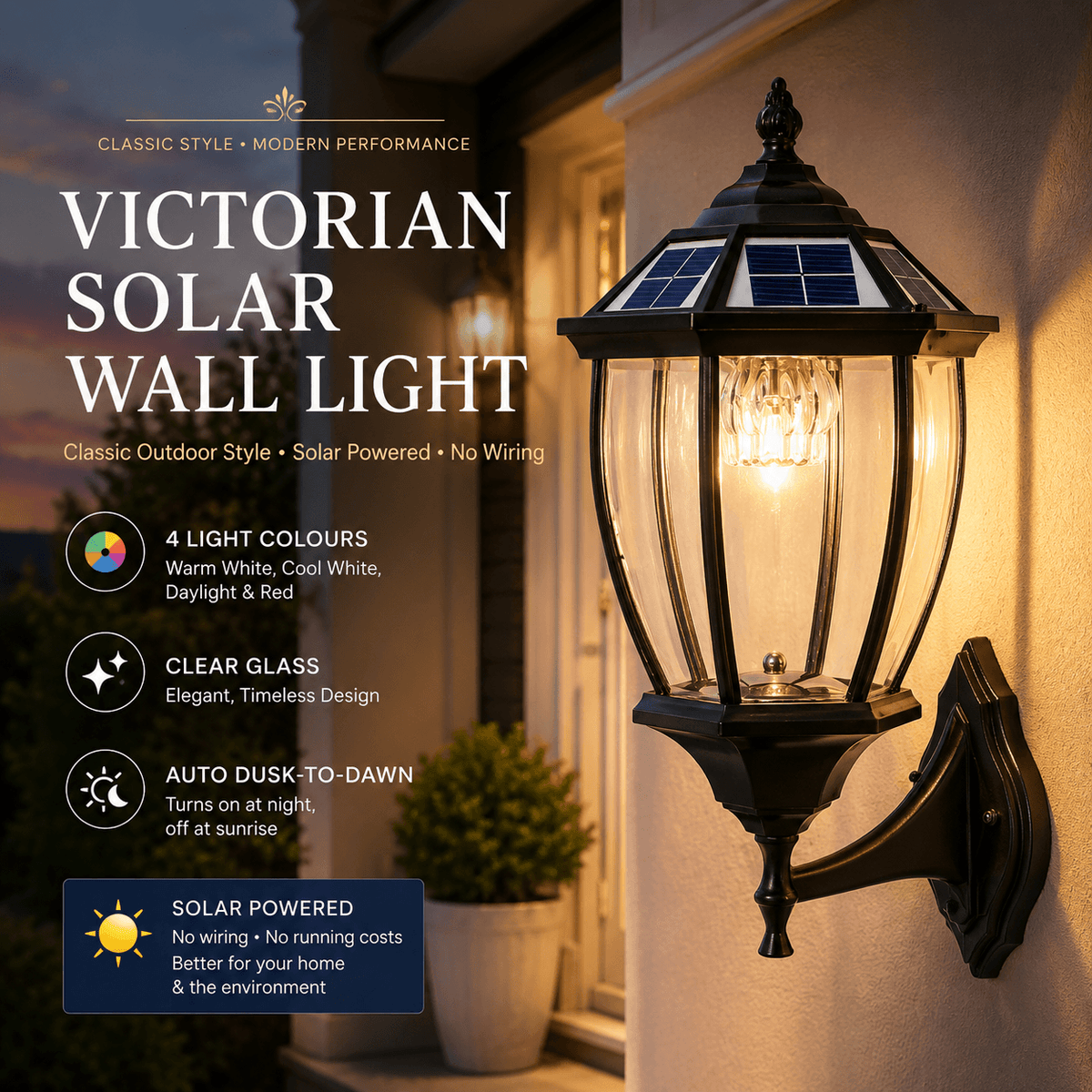
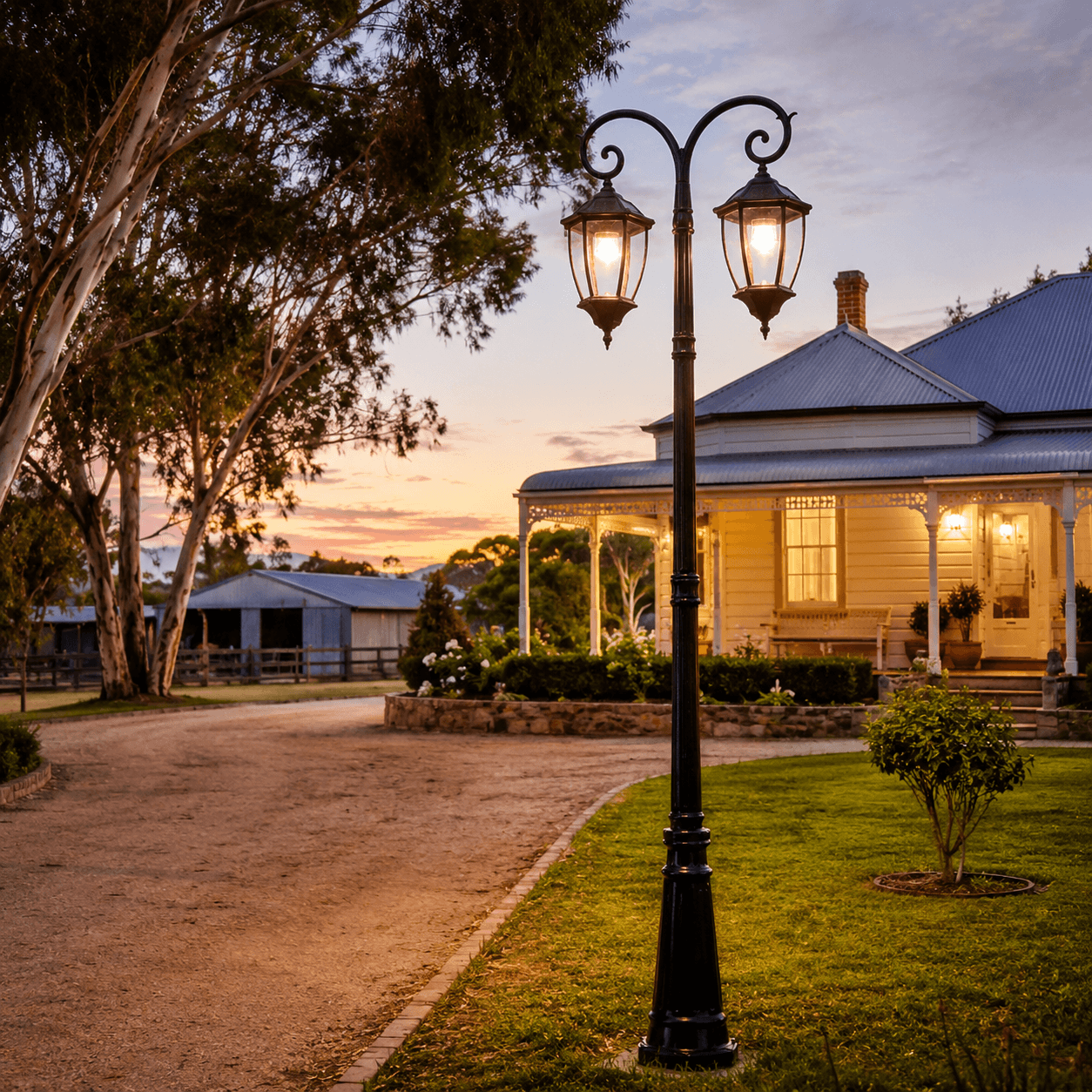
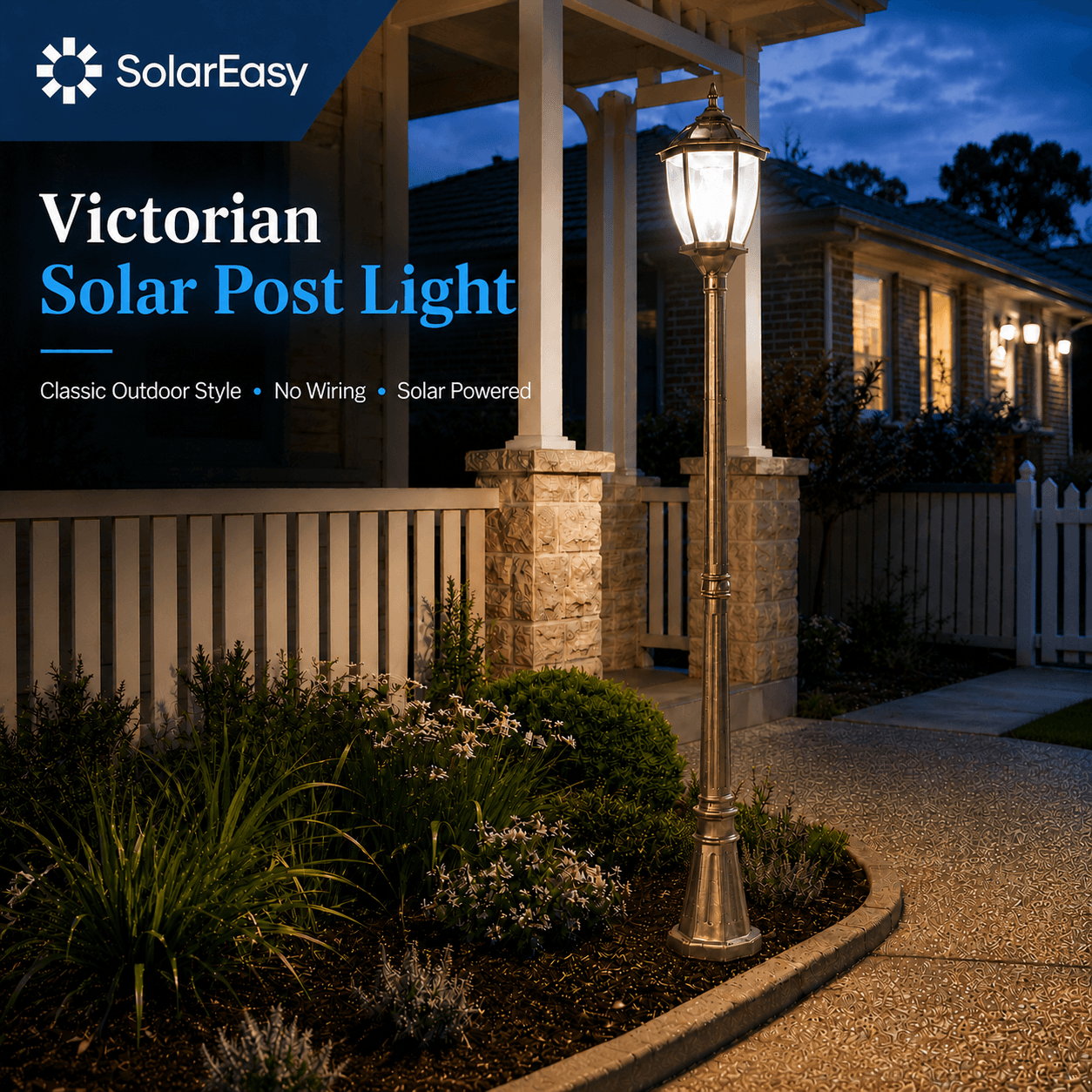
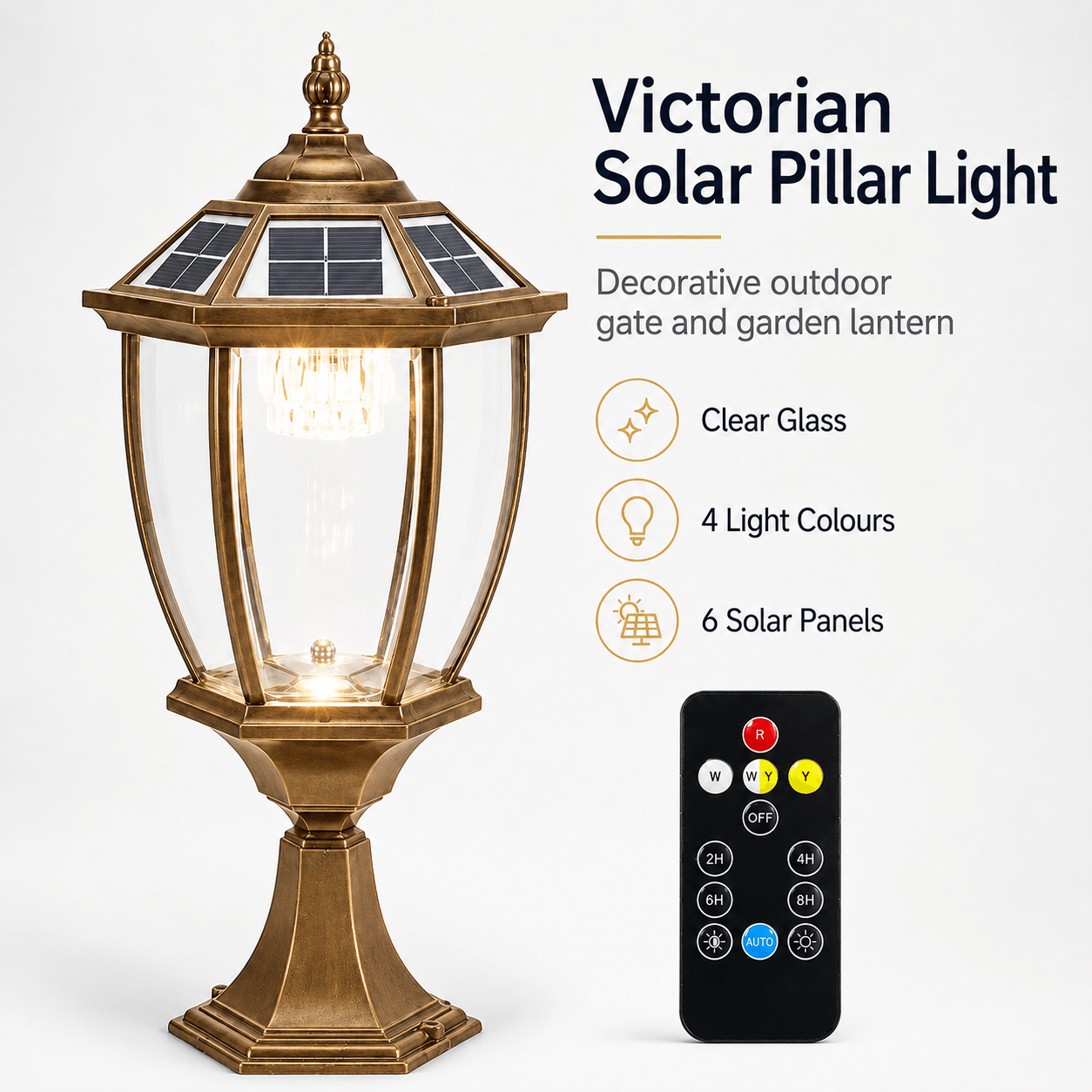
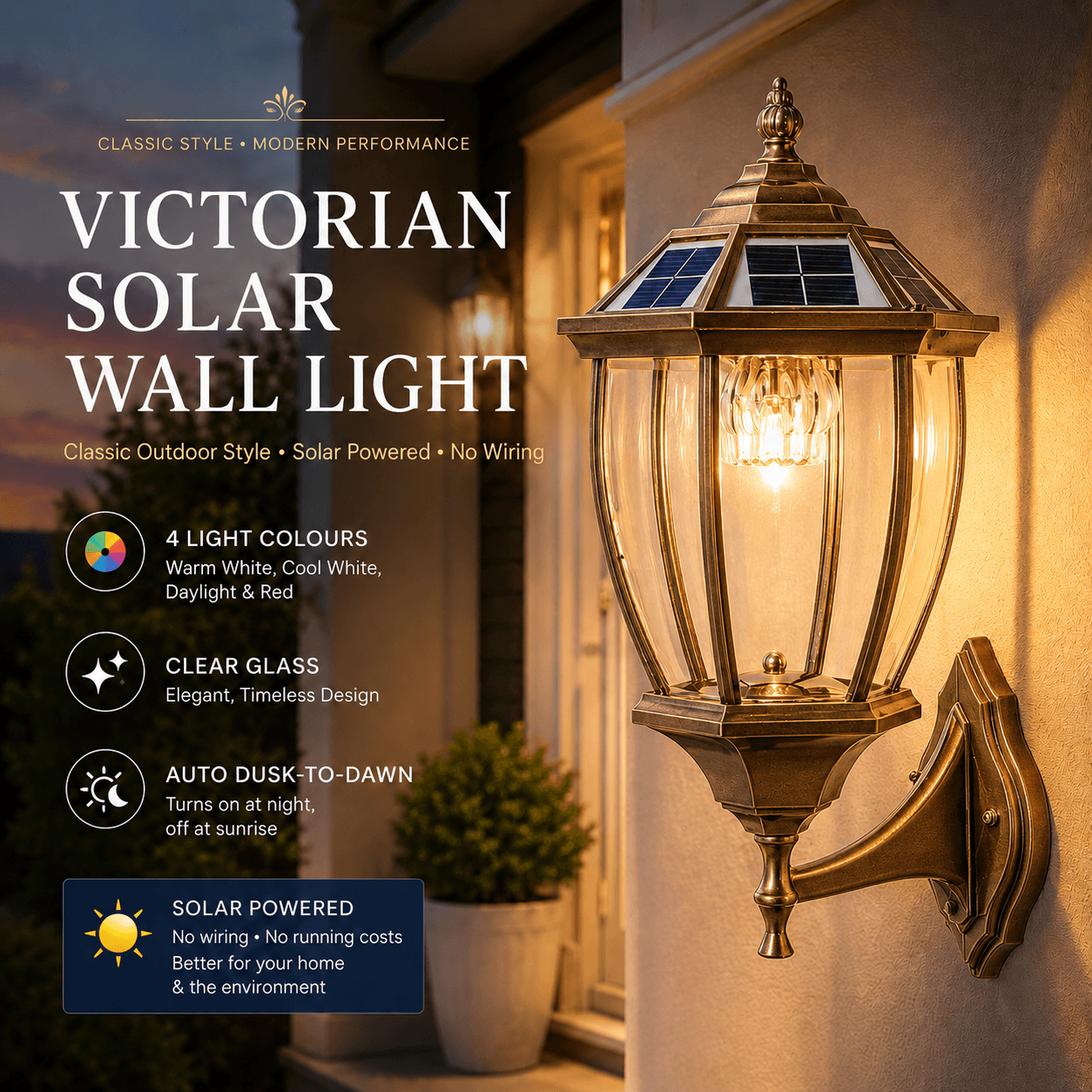
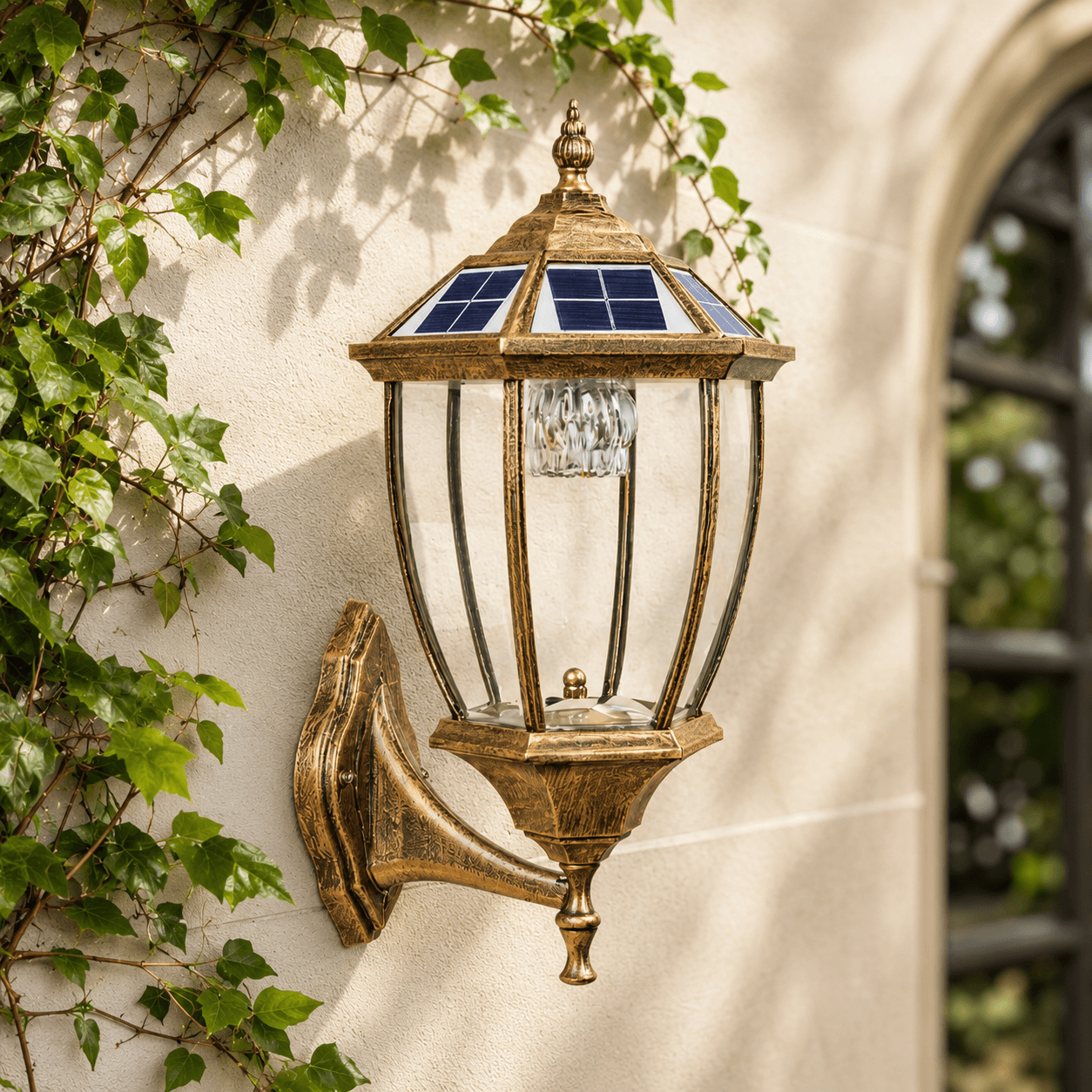
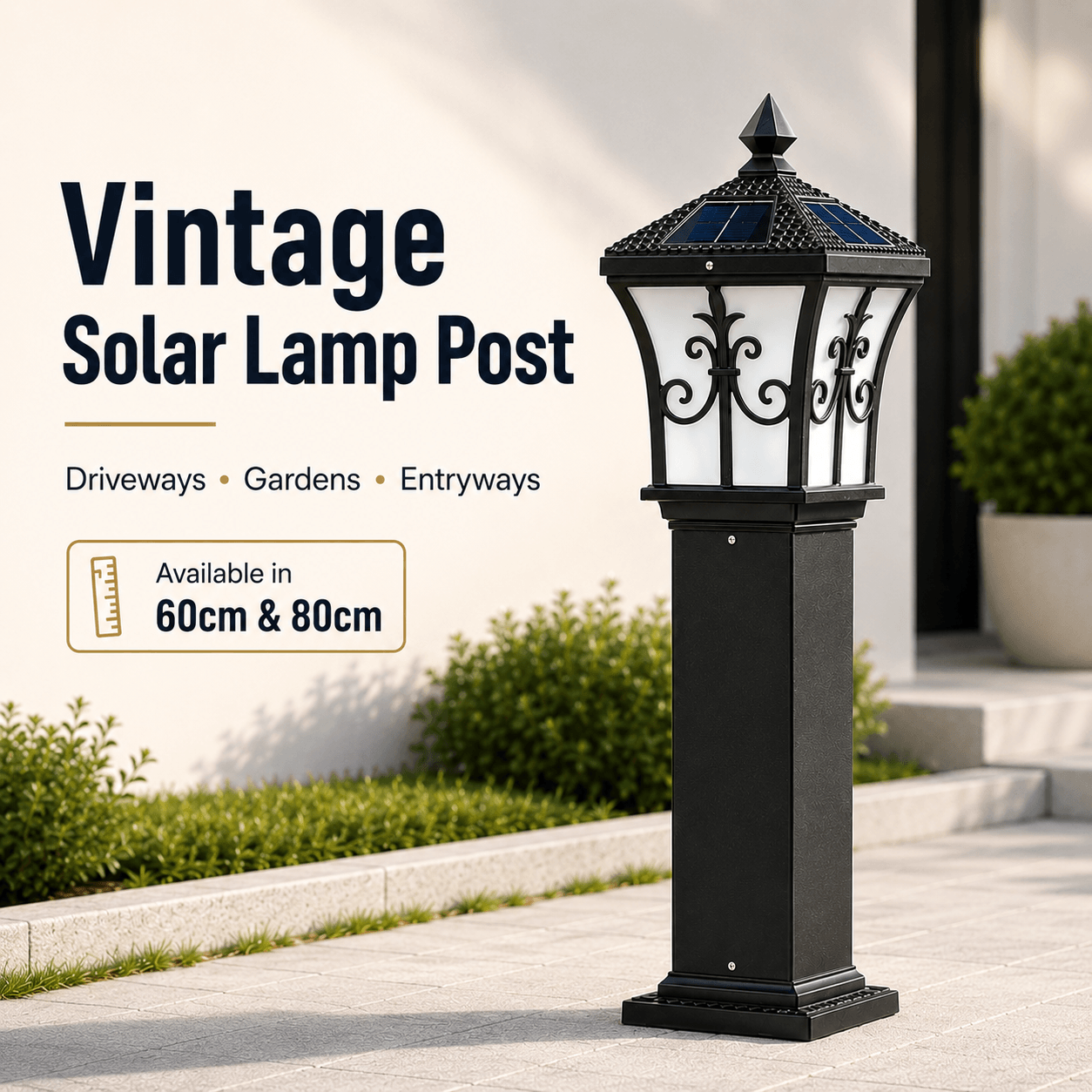
A Victorian-style pillar or post light may feature a traditional lantern shape, decorative metalwork and clear glass panels. During the day, it acts almost like an architectural feature. At night, the illuminated lantern creates a warm visual point around the entrance, garden or driveway.
For homeowners who want their outdoor lighting to add character rather than simply provide illumination, this difference can be important.
Why Victorian-Style Lights Suit So Many Australian Homes
Victorian-style outdoor lighting is often associated with older houses, but it is not limited to genuine Victorian-era properties.
The style can also complement:
- Federation-style homes
- Heritage-inspired houses
- Traditional brick homes
- Country and rural properties
- Established suburban homes
- Homes with decorative gates or masonry pillars
- Classic garden landscapes
- Selected contemporary homes that need a more decorative feature
One reason the style is versatile is that the lantern shape itself is familiar and balanced.
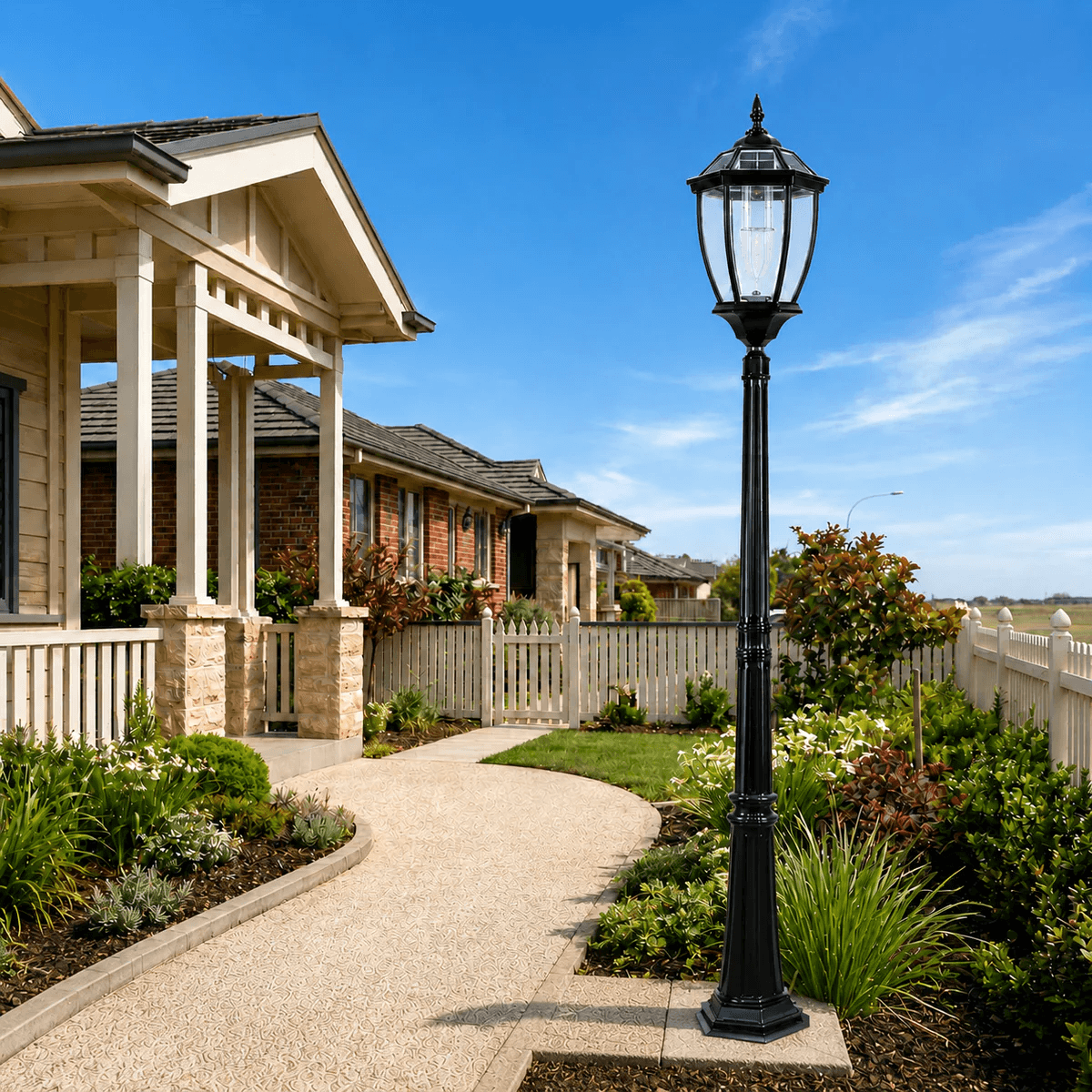
A black or dark-finished Victorian solar light can sit naturally beside brick, sandstone, rendered walls, timber fencing and metal gates without appearing overly complicated.
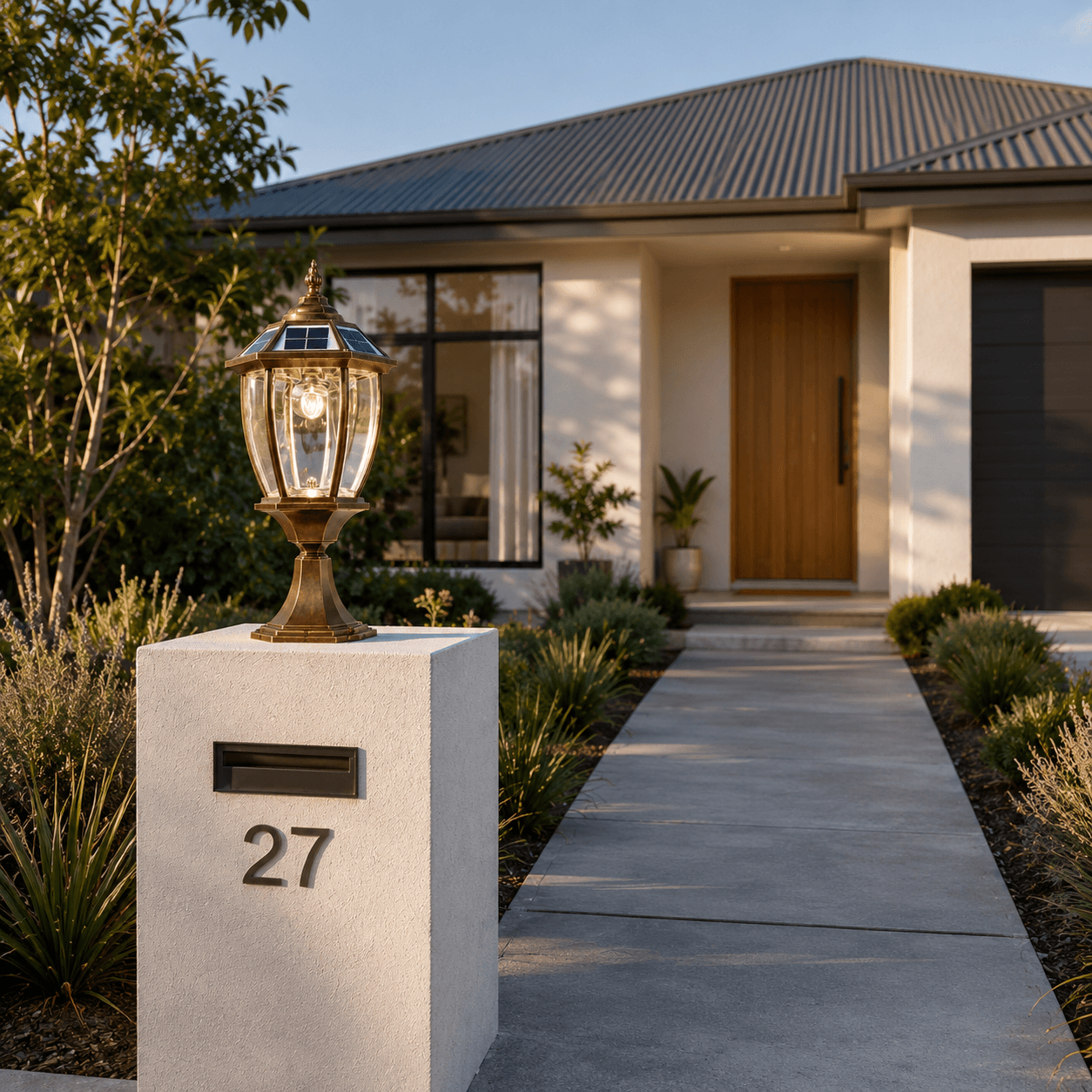
For a newer home with a relatively simple façade, Victorian post or pillar lights can also introduce contrast. Instead of making the property look old-fashioned, carefully positioned lights can provide a deliberate classic feature against otherwise modern surroundings.
The key is proportion and placement.
When to Choose Victorian Pillar Lights
A Victorian solar pillar light is usually best where the property already has a solid structure suitable for mounting the light.
Common locations include:
- Front gate pillars
- Brick fence columns
- Masonry entrance pillars
- Driveway entrance columns
- Courtyard walls
- Low garden pillars
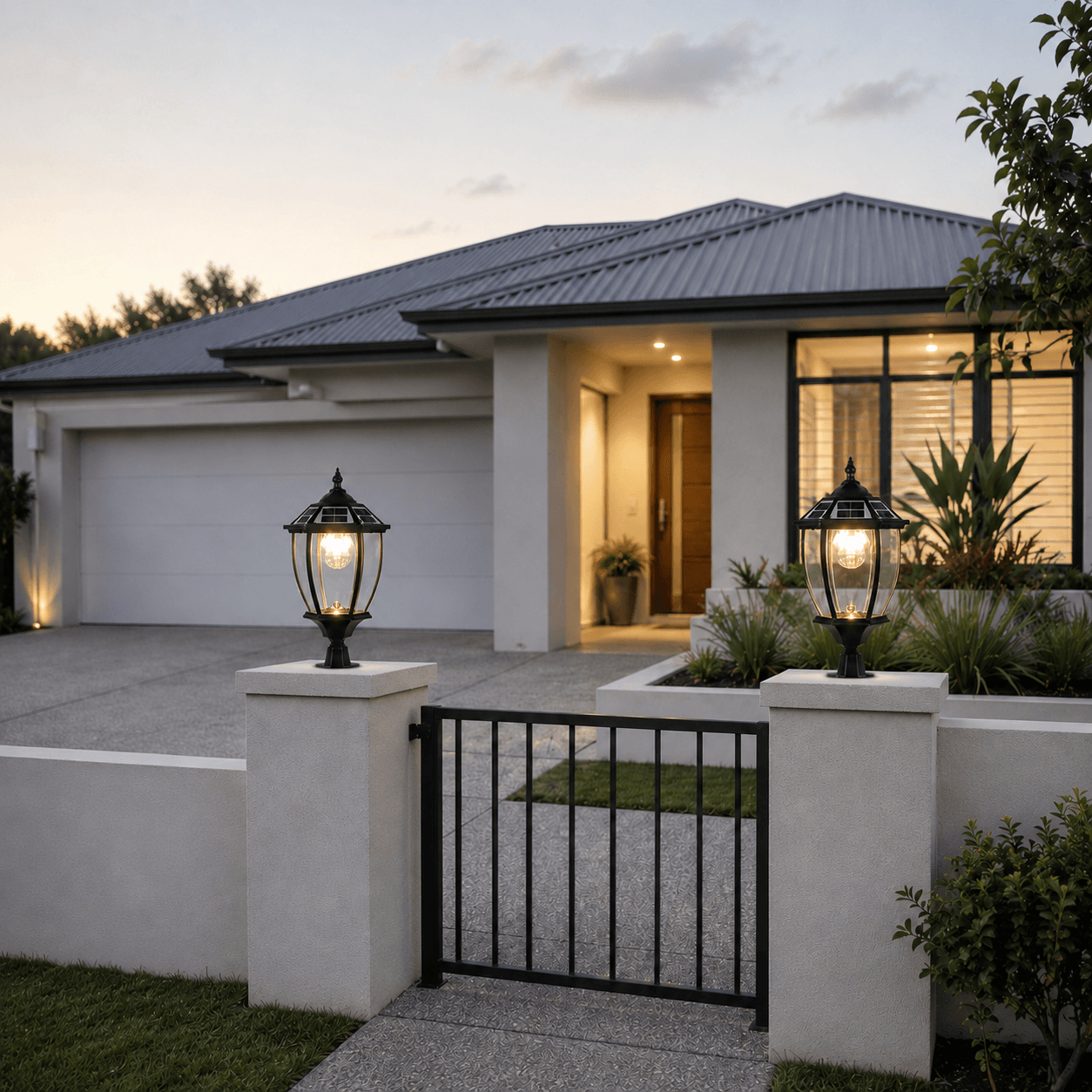
Pillar lights work particularly well when installed as a matching pair at an entrance.
Two symmetrical lanterns can frame the driveway or pedestrian gate and immediately create a more formal appearance.
Because the light sits directly on top of the pillar, its size should be appropriate for the width and height of the structure underneath it. A lantern that is too small may look insignificant, while an oversized head can make a narrow pillar appear unbalanced.
Victorian pillar lights are therefore particularly effective where the homeowner wants to highlight an existing architectural feature rather than introduce a separate post into the landscape.
When to Choose Victorian Post Lights
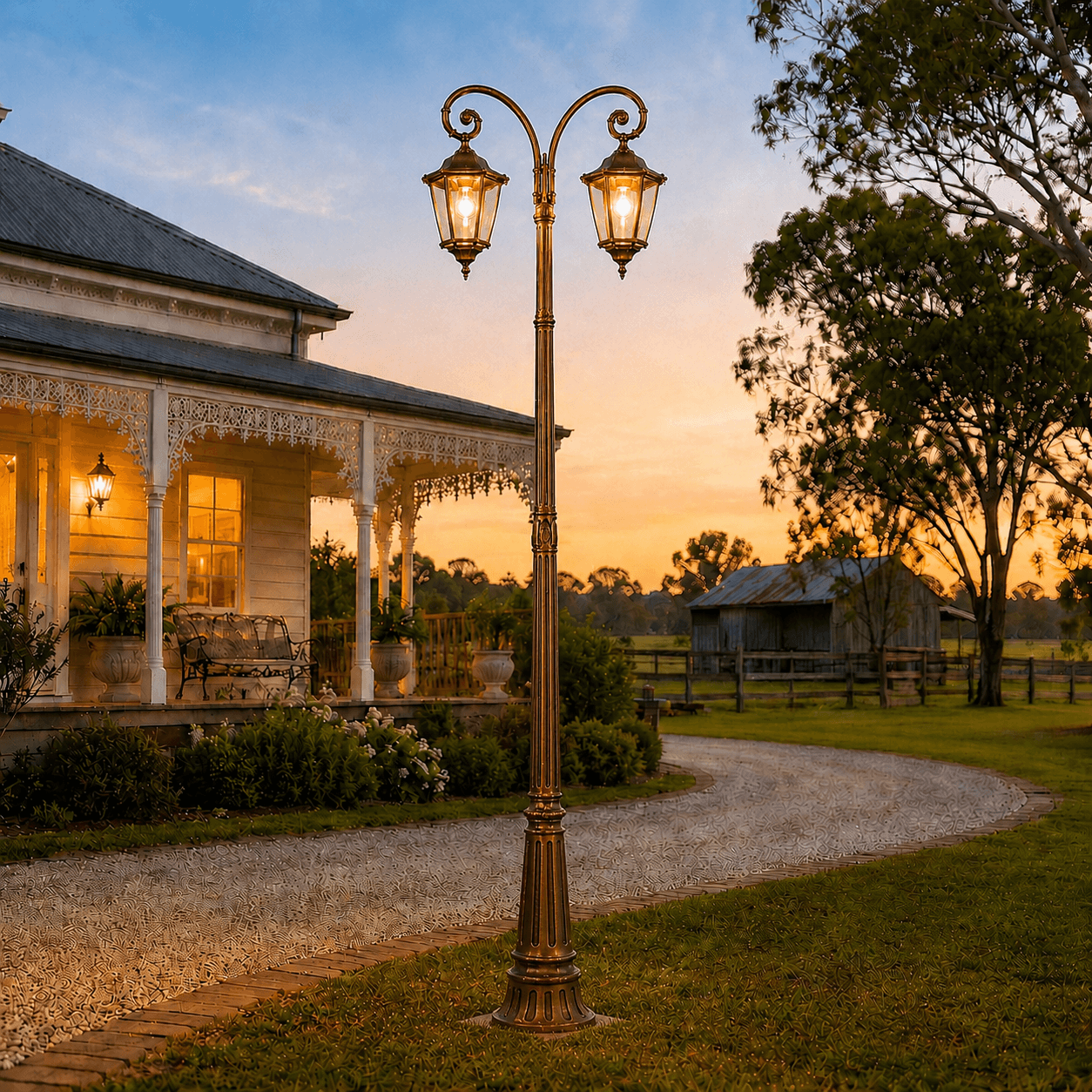
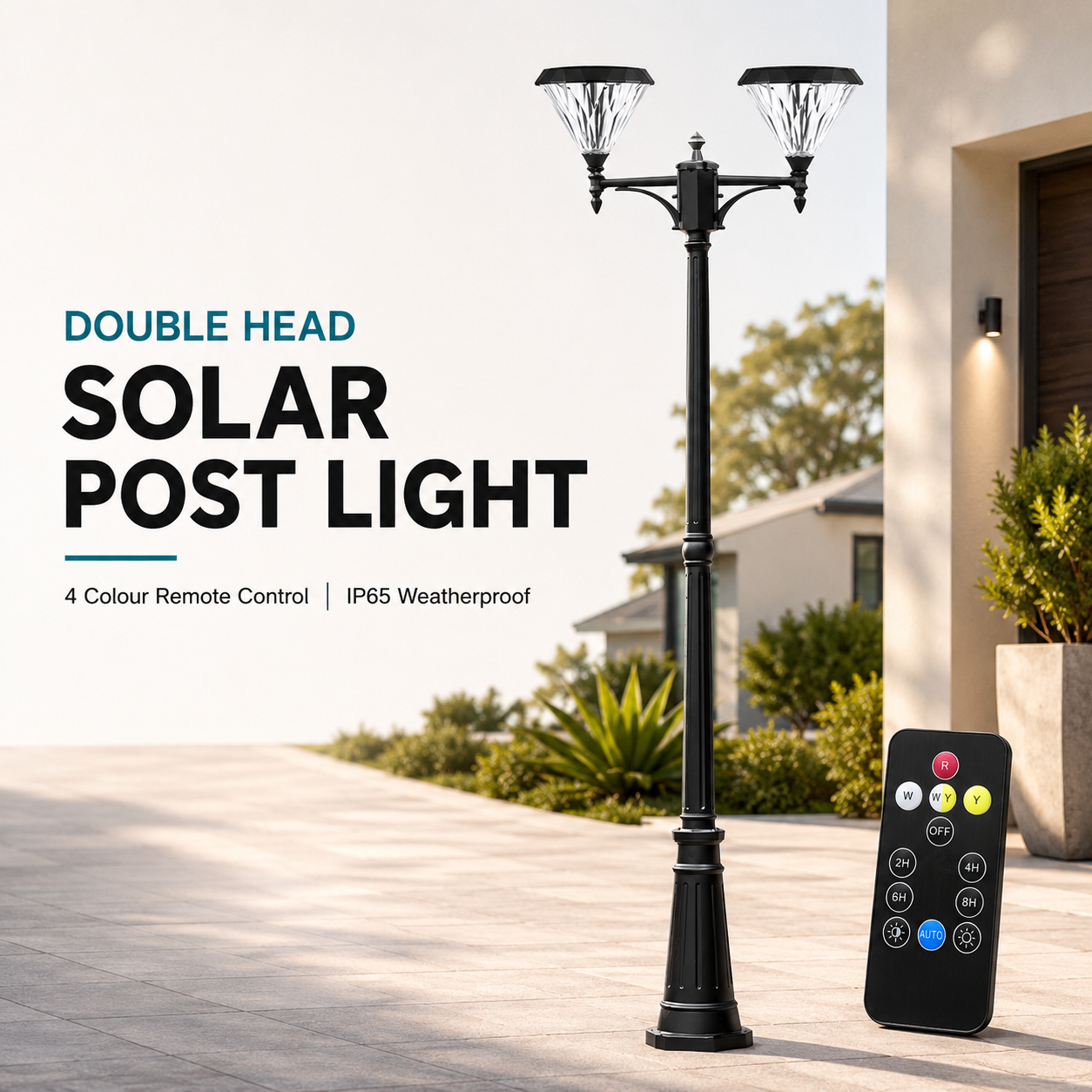
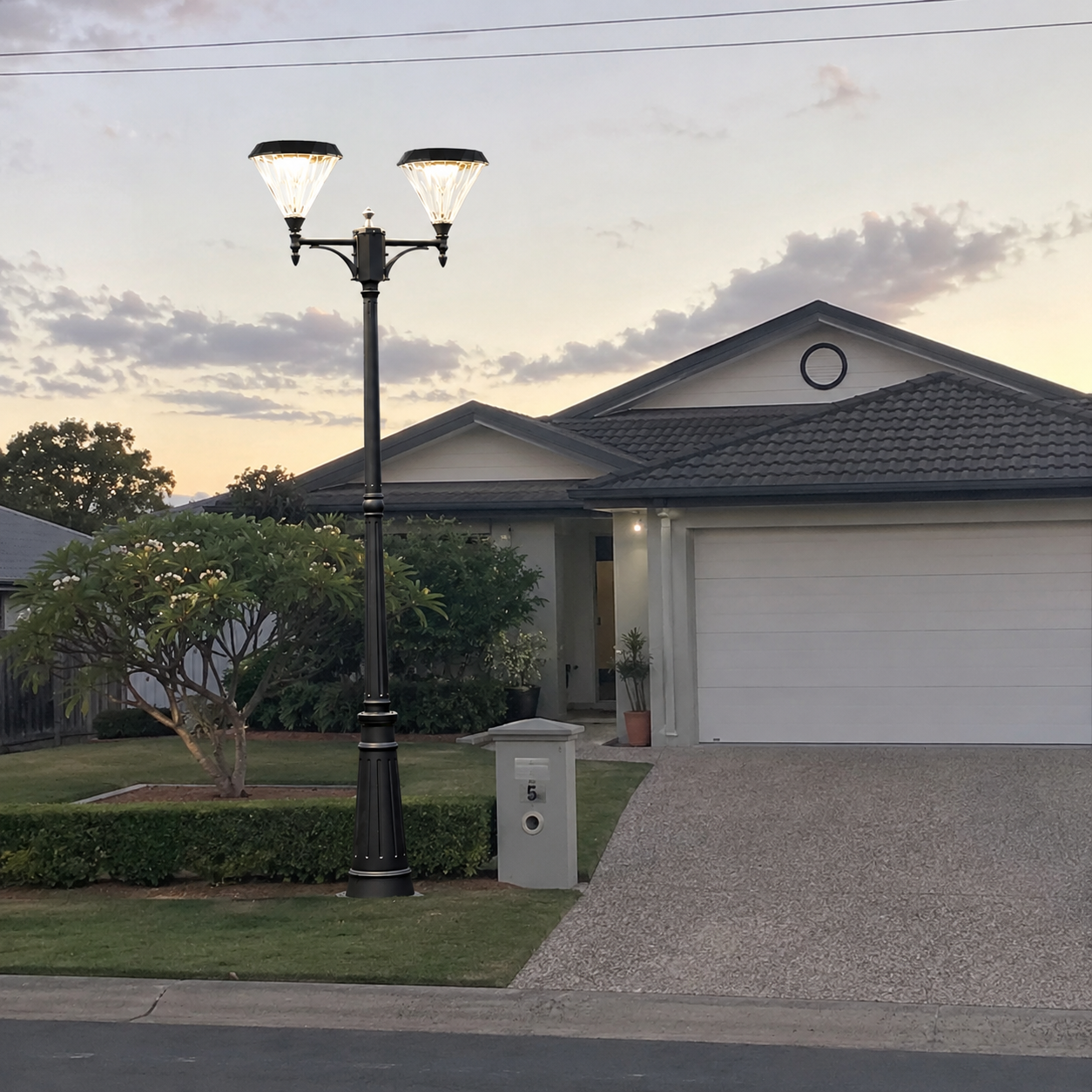
A Victorian solar post light provides more flexibility because it does not depend on an existing pillar.
It can be positioned in open areas such as:
- Beside a driveway
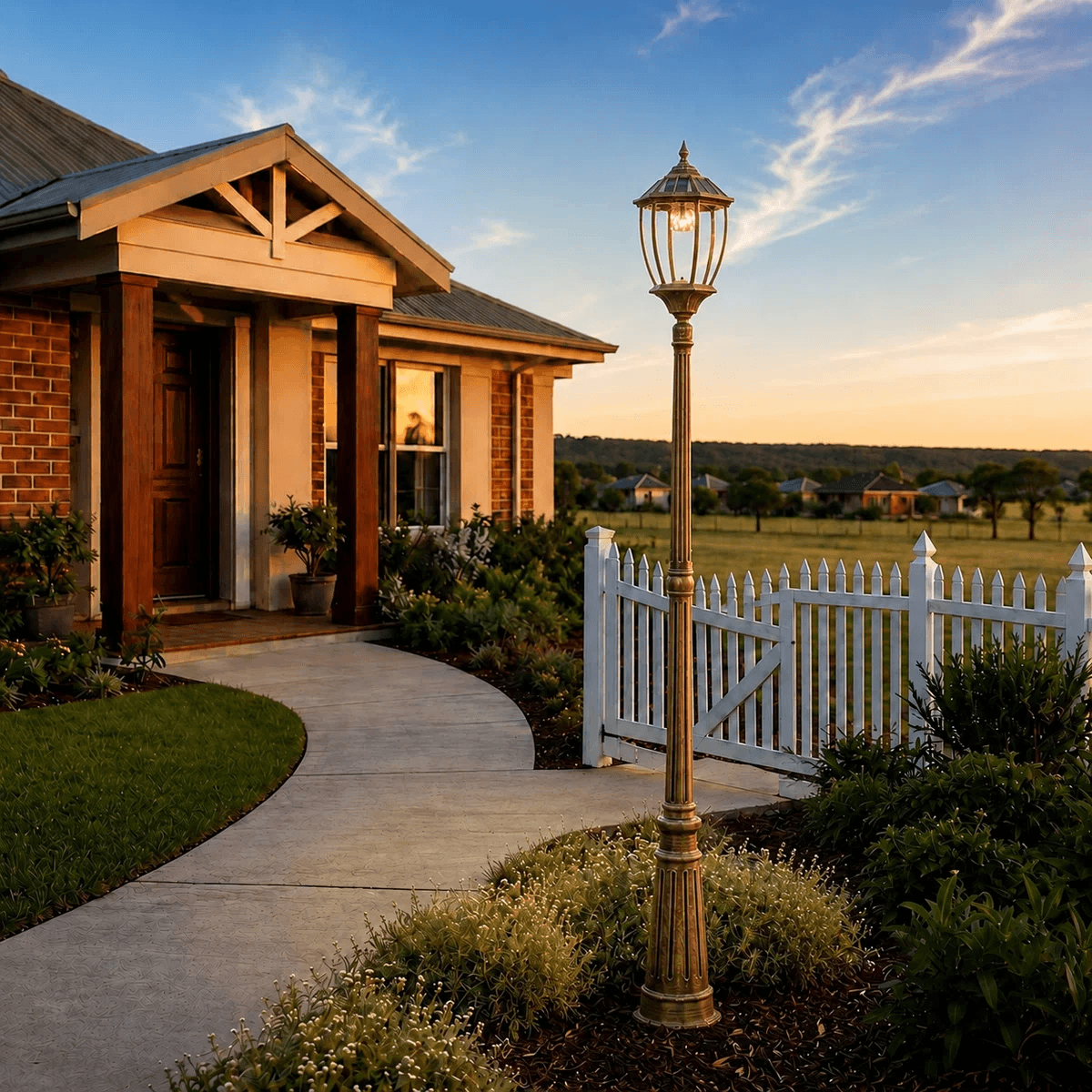
- Along a garden path
- Near a front entrance
- Around landscaped areas
- Beside a courtyard
- Near a gate without masonry pillars
- Along the edge of a lawn
The taller structure creates a stronger vertical feature and allows the decorative lantern head to remain visible above nearby plants or fencing.
Post lights are especially useful when homeowners want to repeat the same classic lighting style across several parts of the property.
For example, Victorian pillar lights may be installed at the main entrance while matching post lights continue along the driveway or through the garden. Using the same lantern style helps the whole property feel coordinated.
Match the Height and Proportions to the Property
Style is important, but proportion is equally important.
A large house with a wide driveway and substantial entrance can generally support taller post lights or larger decorative lanterns. A smaller suburban garden may look better with lower posts or pillar-mounted lights.
Consider how the light will look from several viewpoints:
- From the street
- From the driveway
- From the front door
- From inside the garden
- During both daytime and night-time
The aim is for the light to look like a natural part of the property rather than an object that has simply been added afterward.
For Victorian-style lighting in particular, giving the lantern enough visual space around it allows the decorative shape to be appreciated properly.
Warm White or Cool White?
The colour of the light can significantly change the appearance of the same Victorian lantern.
Warm white generally creates a softer and more traditional atmosphere. It works particularly well with:
- Heritage-style homes
- Red or brown brick
- Sandstone
- Timber
- Traditional gardens
- Relaxed outdoor entertaining areas
It can make a Victorian or antique-style lantern feel especially warm and inviting.
Cool white, by comparison, produces a cleaner and more contemporary appearance.
It can work well with:
- Light-coloured render
- Grey paving
- Modern fencing
- Black architectural features
- Contemporary landscaping
For homeowners who like the shape of Victorian lighting but do not want the property to feel too traditional, cool white can help create a more modern interpretation of the style.
Having the ability to choose between warm and cool white therefore makes a Victorian-style solar light more adaptable to different homes and personal preferences.
Can Victorian Lights Work With a Modern Home?
Yes, provided they are used deliberately.
Mixing traditional and modern design can work very well when one style is used as a feature rather than competing with everything around it.
For example, a modern rendered home with a simple black gate may look very elegant with a pair of black Victorian pillar lights at the entrance.
The clean architecture provides the background, while the decorative lanterns introduce character.
The same approach can work in landscaped gardens. Modern paving and structured planting can be softened by traditional post lights placed at key points.
The goal is not necessarily to make a modern house look Victorian. Instead, the Victorian light becomes a classic decorative accent.
Keep the Style Consistent Around the Property
Once a lighting style has been selected, consistency usually produces the best result.
Using several unrelated outdoor light designs around the same property can make the exterior feel visually fragmented.
Where possible, repeat similar shapes, finishes and light colours.
For example, a coordinated layout might include:
- Victorian pillar lights at the front gate
- Matching Victorian post lights beside the driveway
- Similar lantern-style lighting near the garden or courtyard
Because pillar and post versions can share the same lantern appearance, they are particularly useful for creating this type of consistent design.
The lights do not need to be installed everywhere. A few carefully selected locations are often more effective than using too many decorative fittings.
Choose a Style You Will Still Like Years From Now
Outdoor lights are part of the long-term appearance of a property.
Trends change, but classic architectural styles tend to remain familiar.
Victorian, classical, heritage and antique-inspired lighting has been used around homes and gardens for generations. This does not mean it suits every property, but it does make it a strong option for homeowners who prefer a more established and timeless appearance.
When choosing your outdoor lighting, consider the architecture of your home first, followed by the surrounding gate, pillars, driveway and garden.
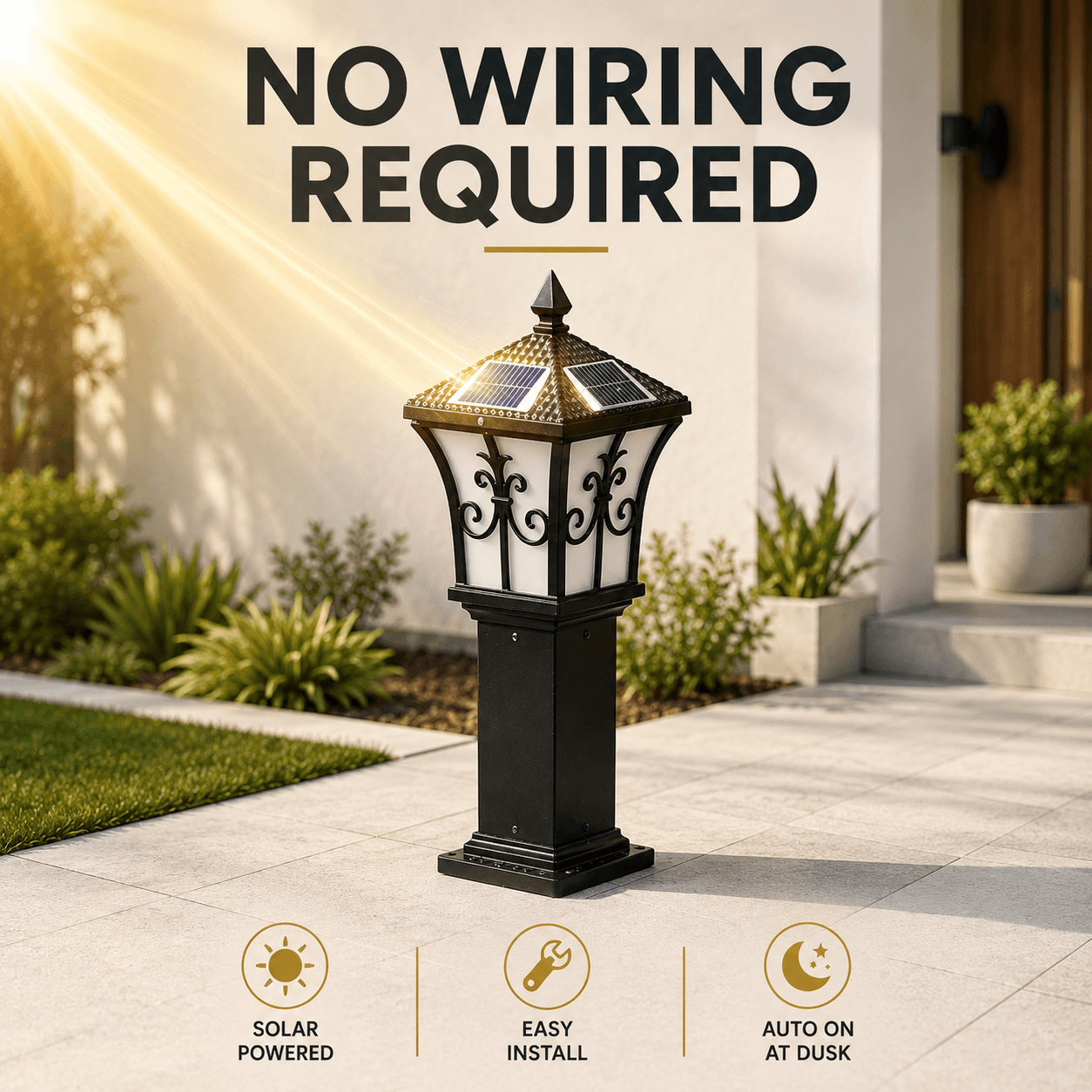
If your property already contains traditional features—or if you simply want to introduce more character—Victorian solar pillar and post lights can provide an attractive balance between classic design and modern solar convenience.
Used in the right locations and in the right proportions, they can become more than just outdoor lights. They can help define the entrance, strengthen the visual character of the garden and create a more welcoming overall appearance for the home.