
Victorian vs. Classical vs. Heritage vs. Antique Styles – What's the Difference?
When Australian homeowners search for traditional outdoor lighting, they may come across terms such as Victorian, classic, classical, heritage and antique. These words are often used to describe similar-looking post lights and pillar lights, but they do not mean exactly the same thing.
Understanding the difference can make it easier to choose outdoor lighting that suits your home, garden, driveway or entrance. In practice, Victorian-style solar post and pillar lights often sit comfortably across several of these design categories.
What Is Victorian-Style Outdoor Lighting?
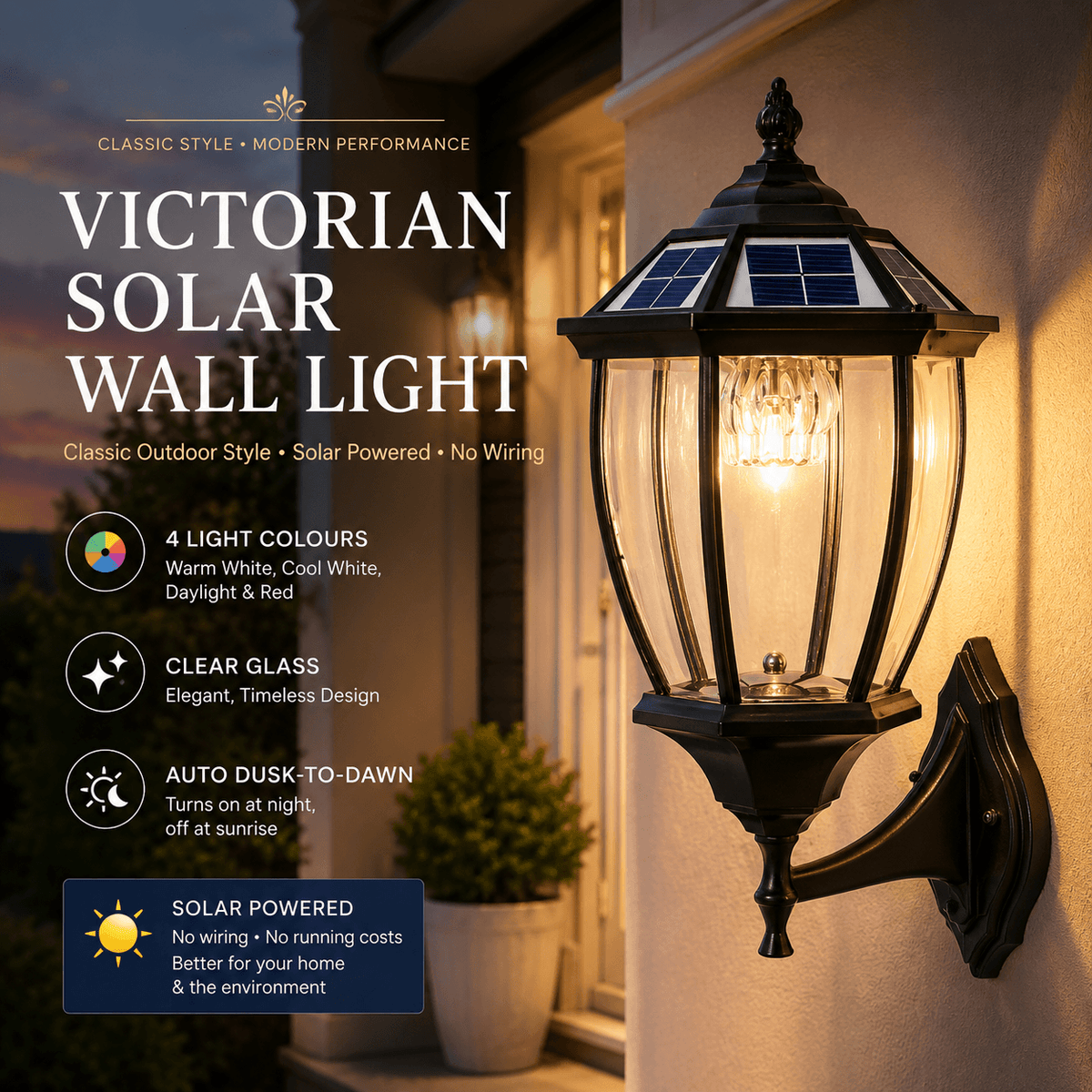
Victorian-style lighting is inspired by the decorative architecture and lantern designs associated with the Victorian era.
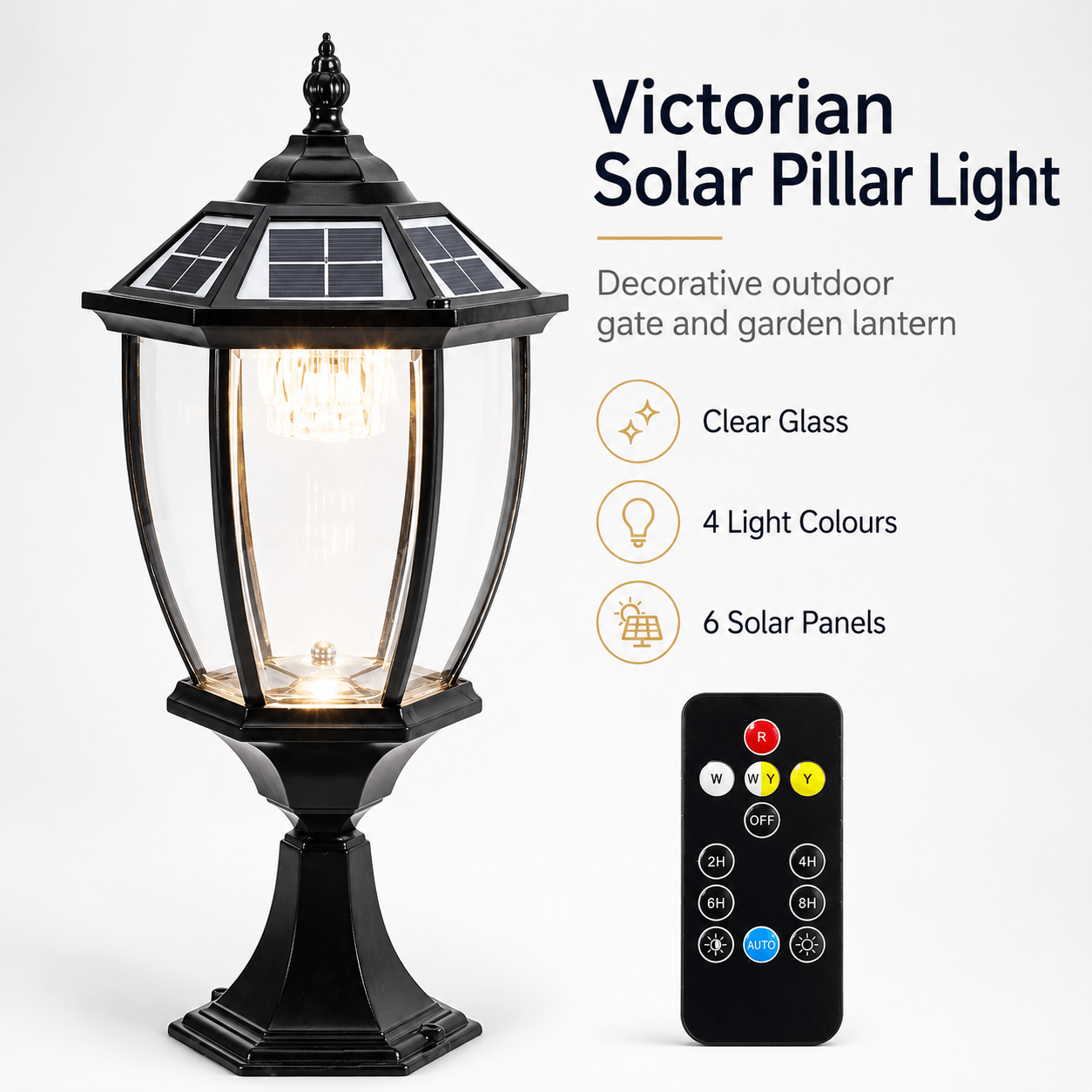
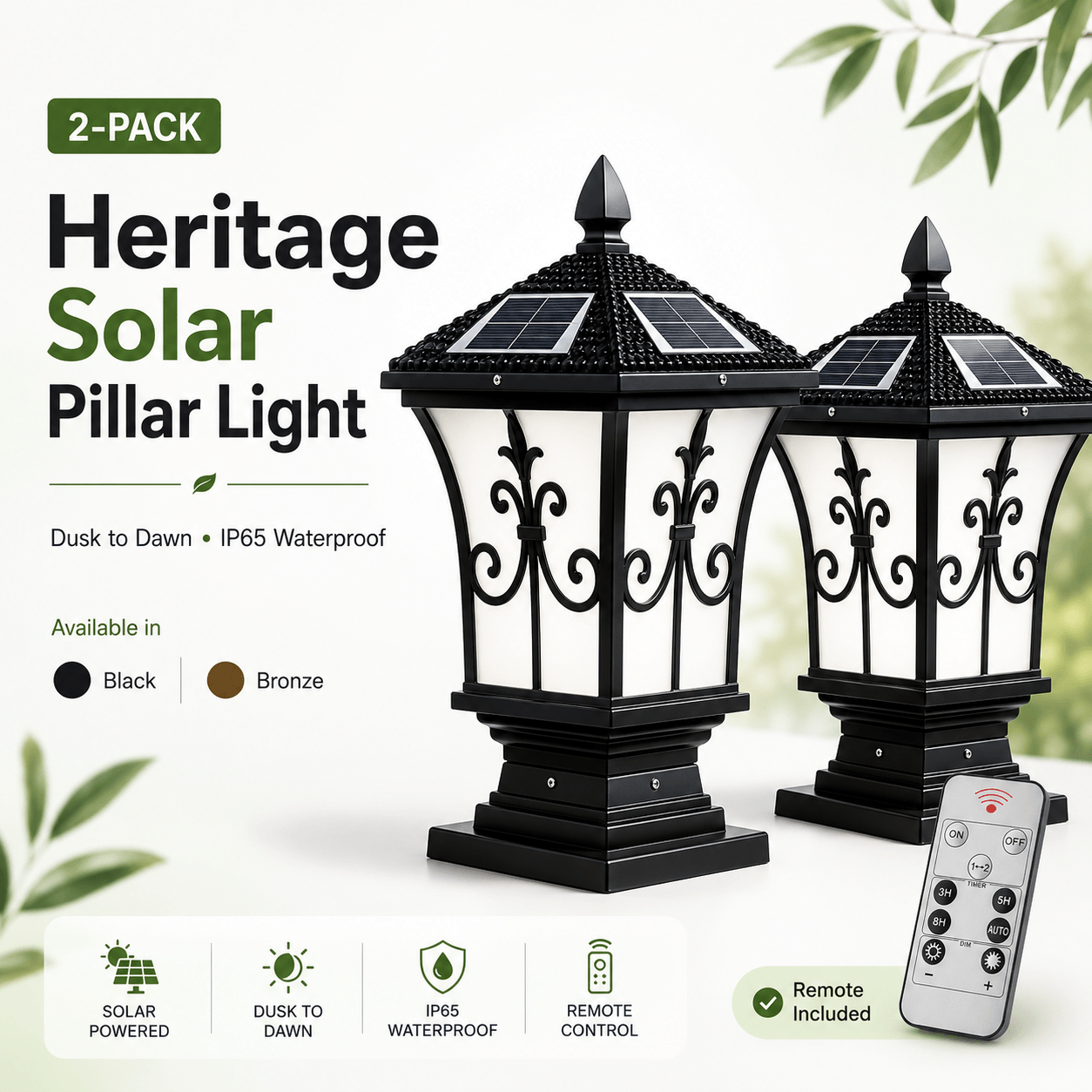
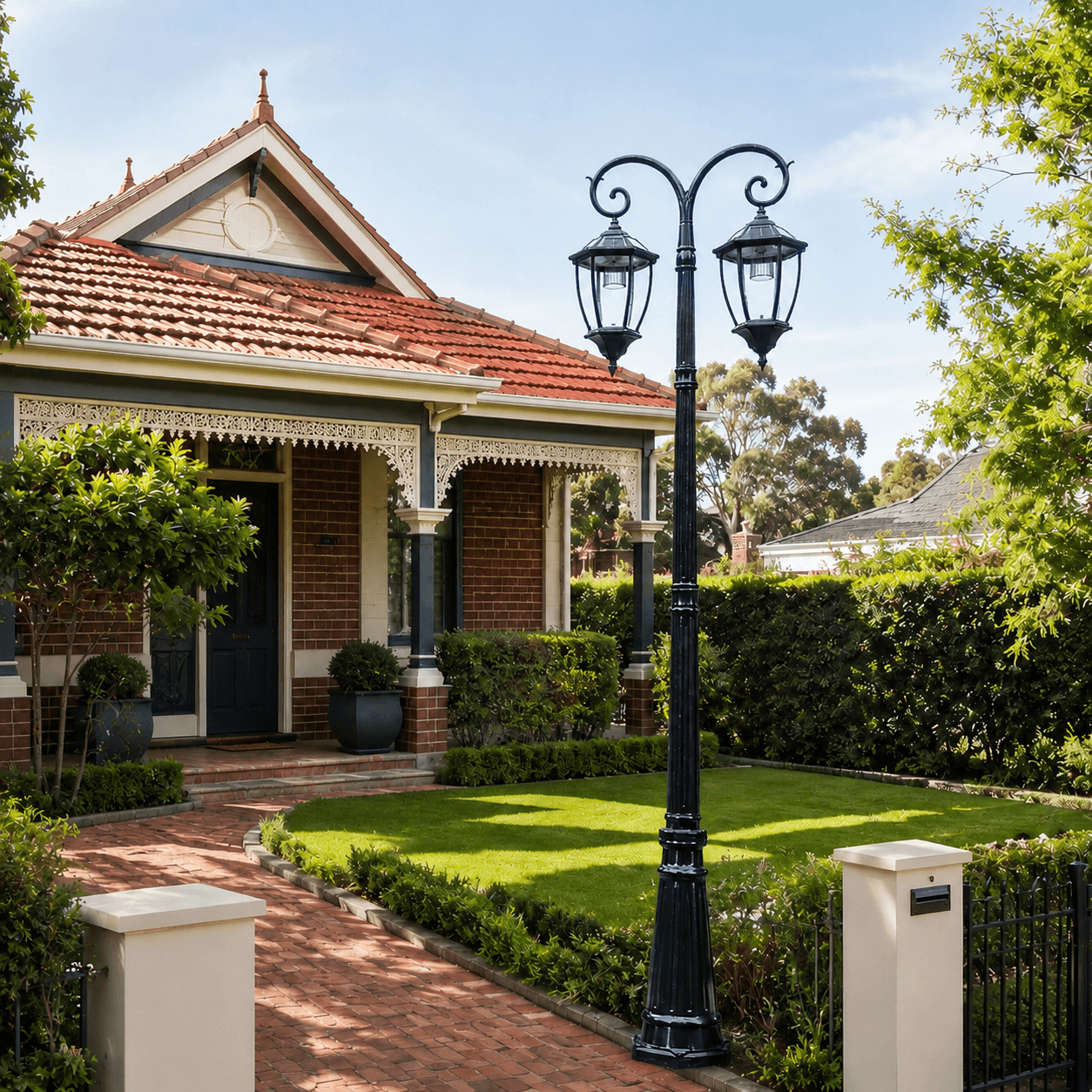
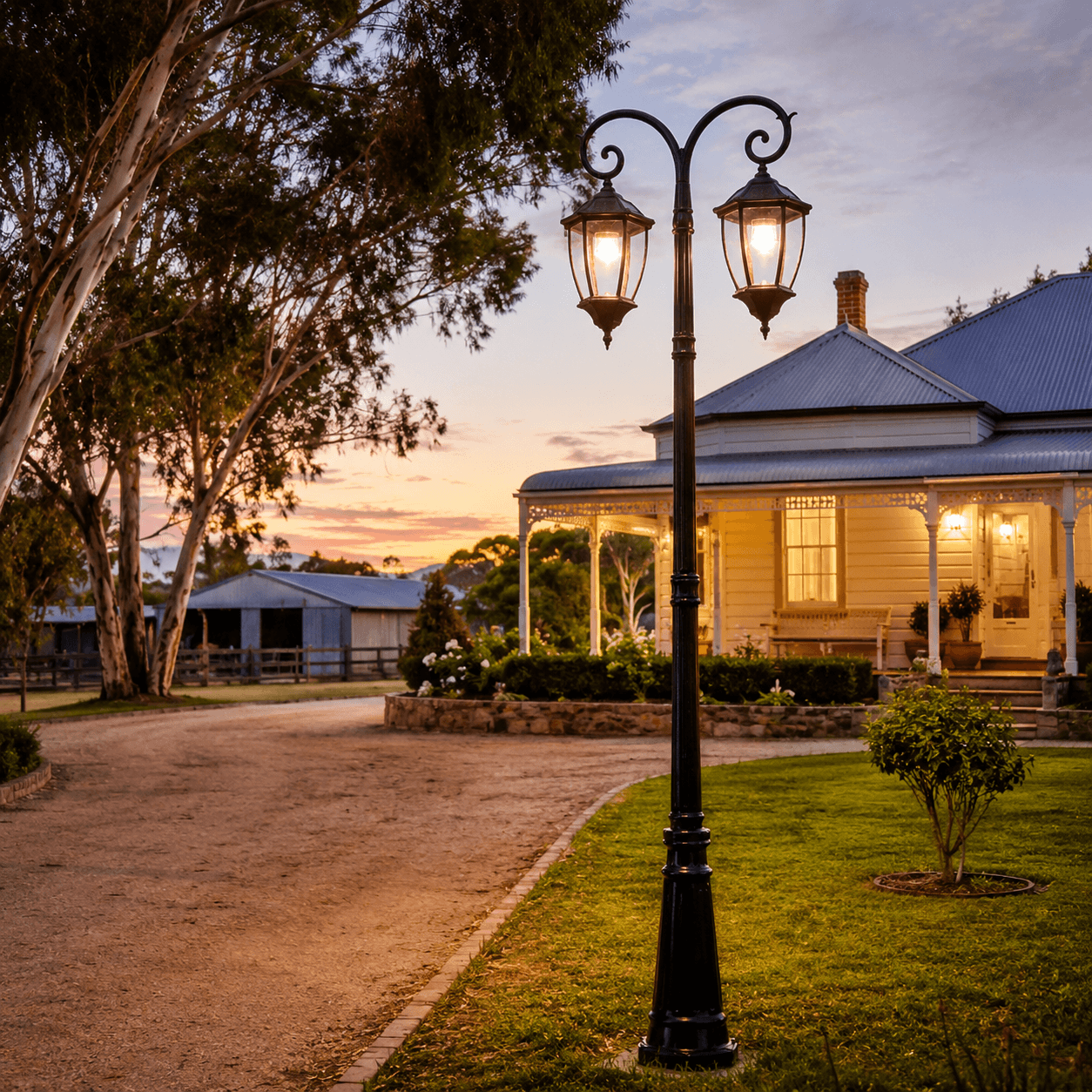
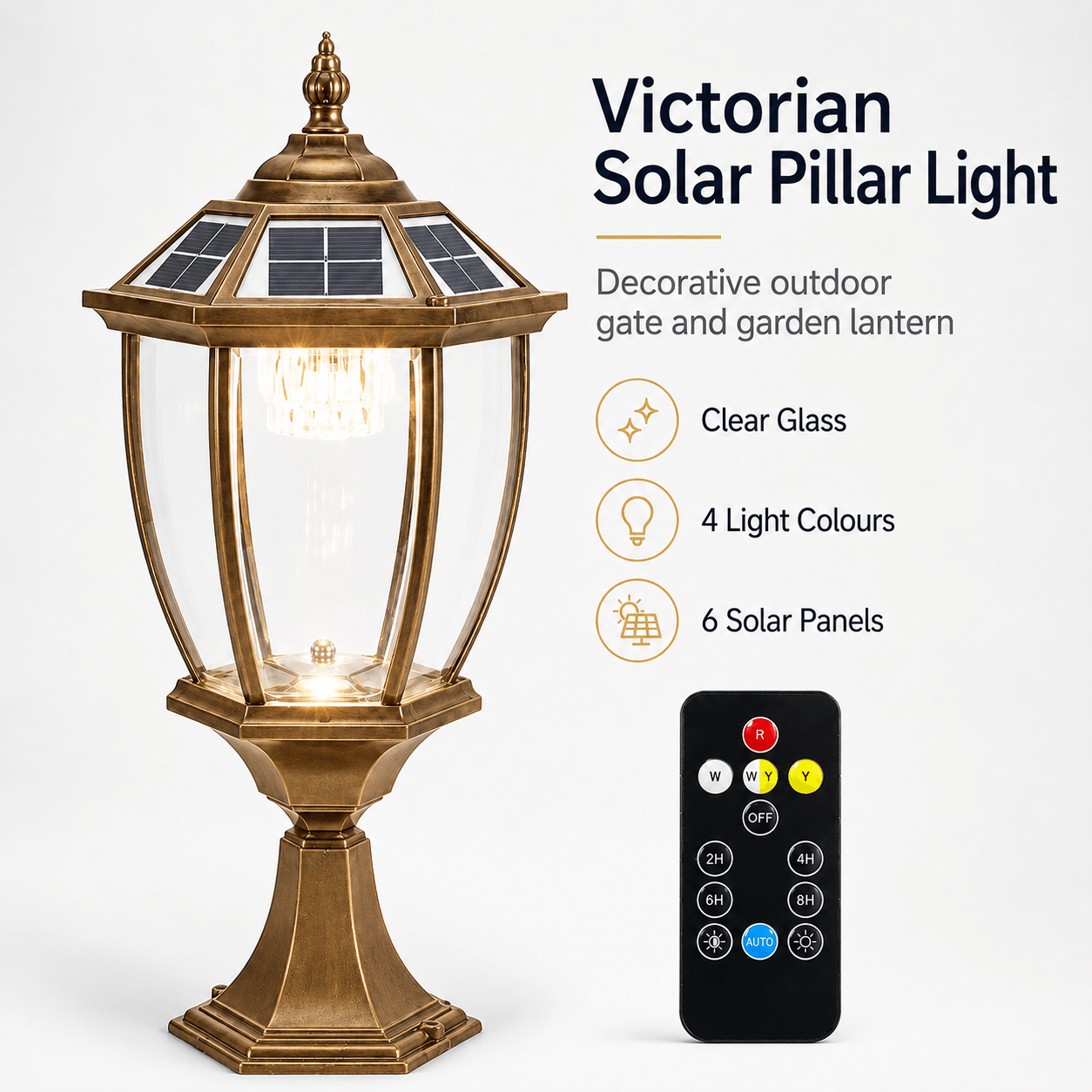
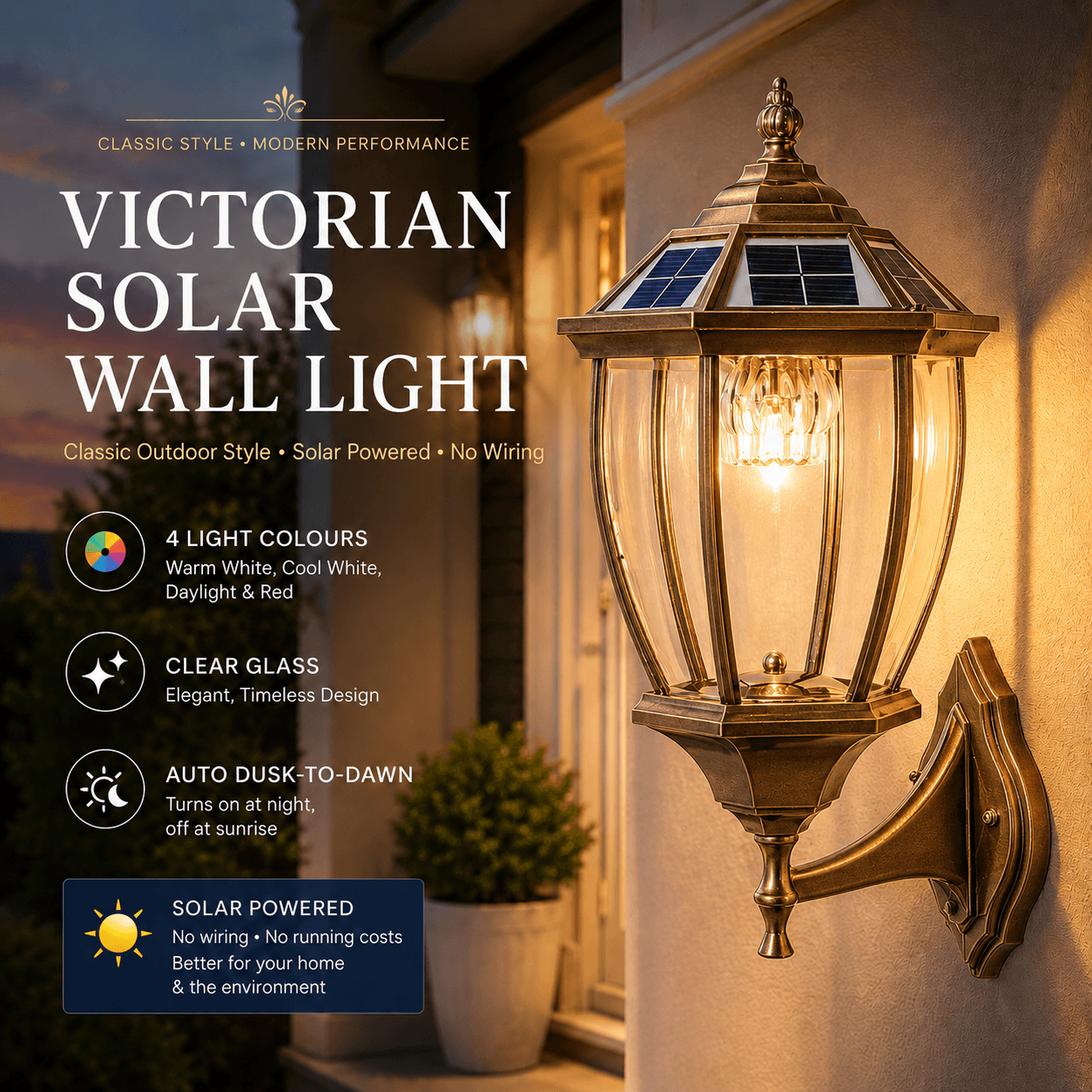
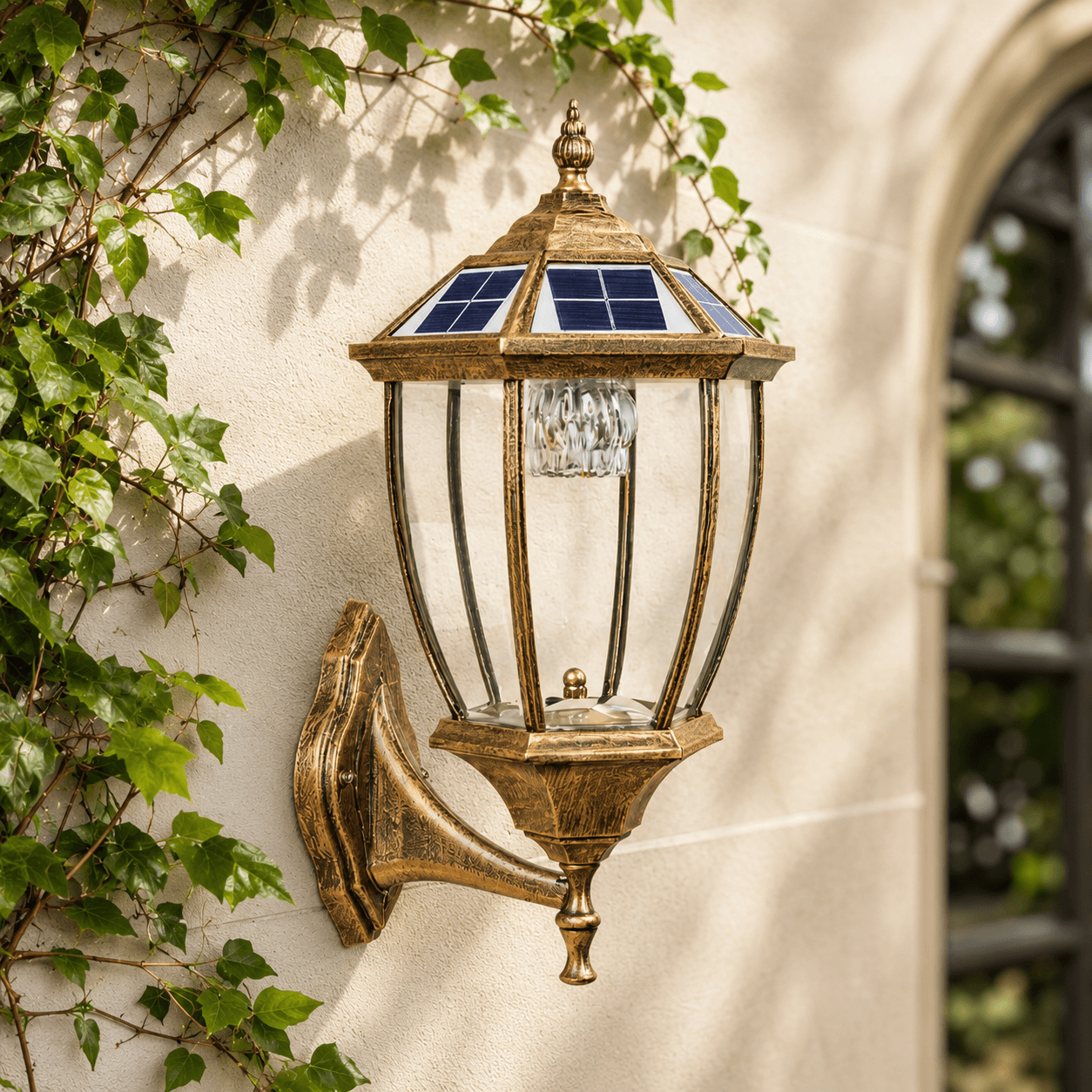
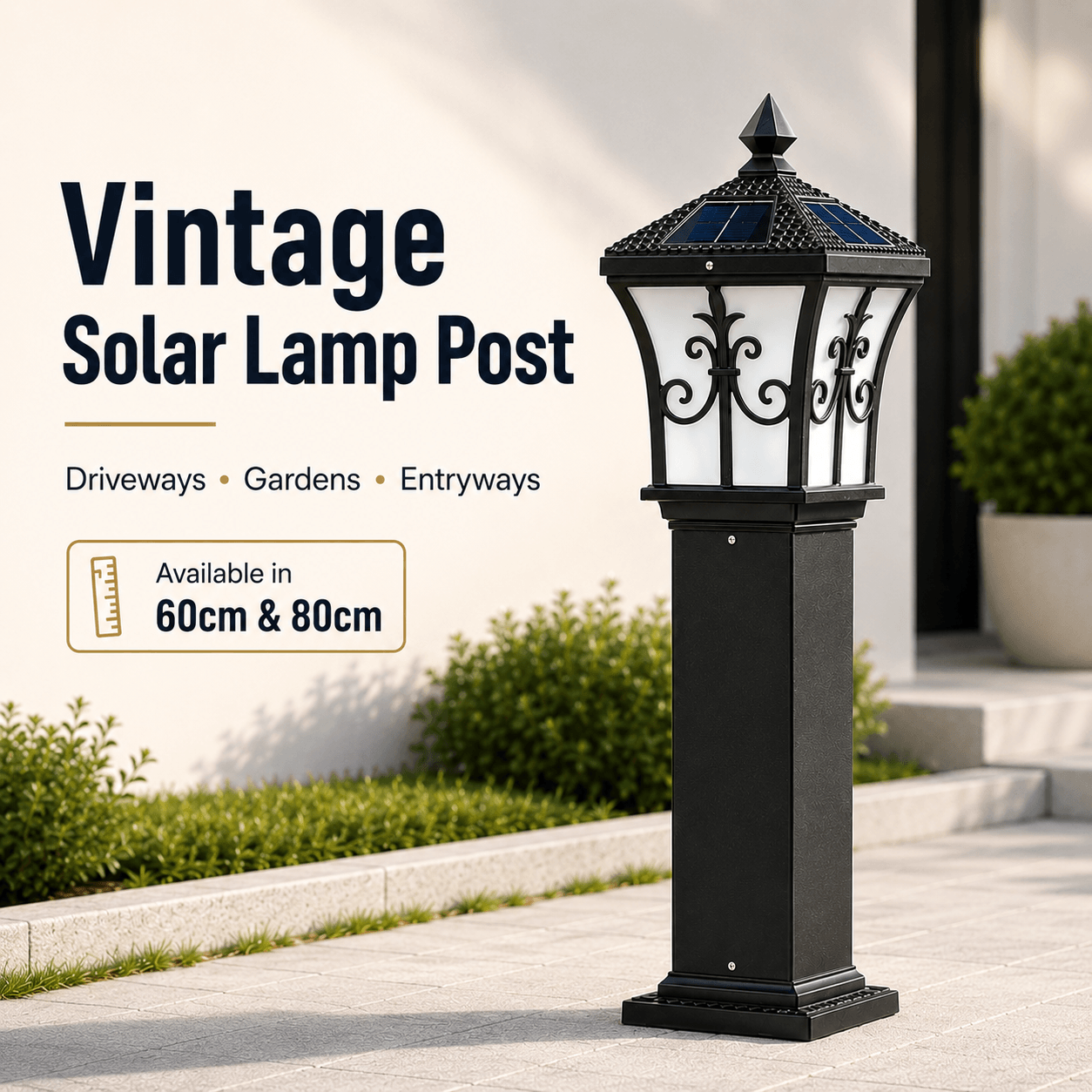
Typical features include ornamental metalwork, clear glass panels, traditional lantern-shaped heads and black or bronze finishes. The overall appearance is more detailed and decorative than modern minimalist lighting.
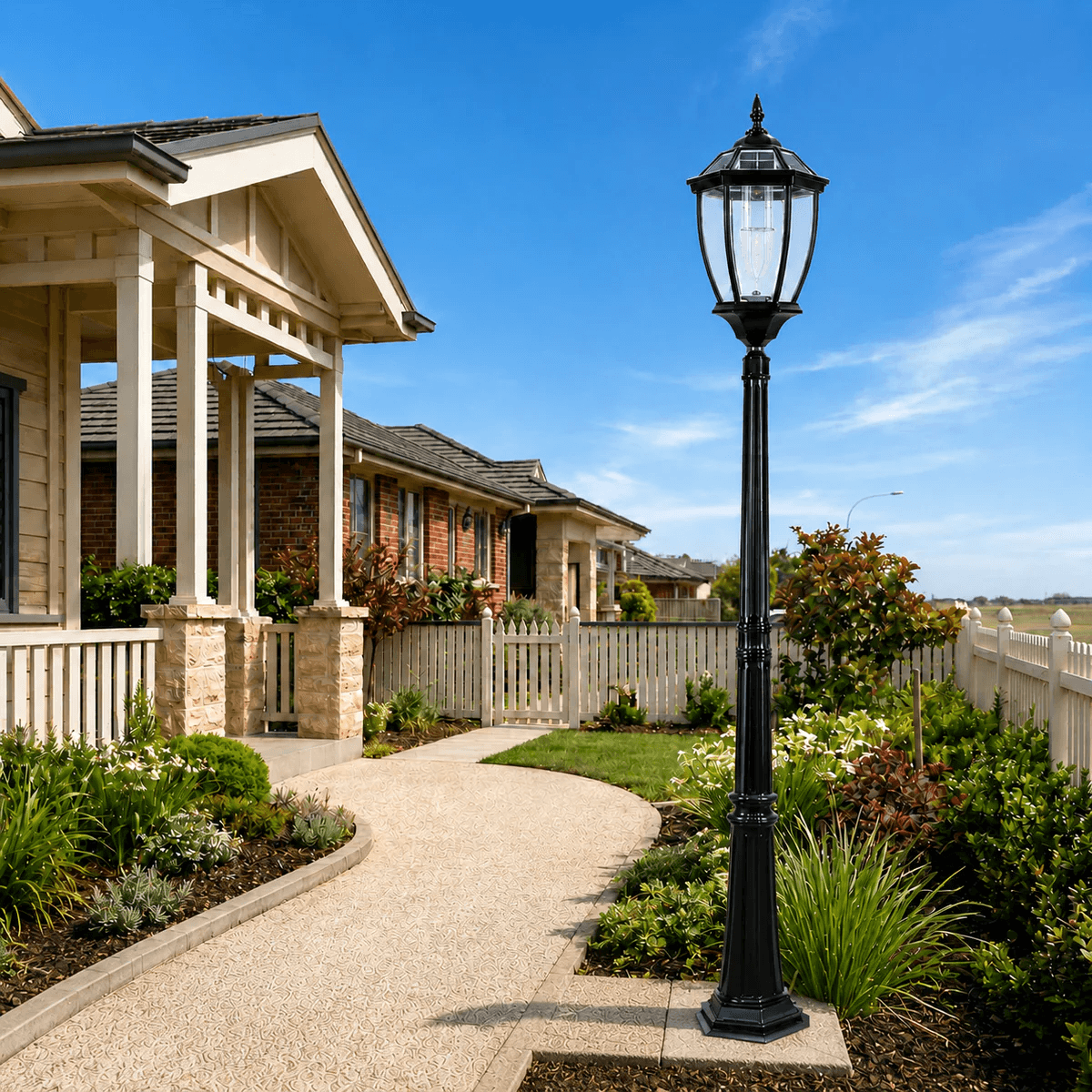
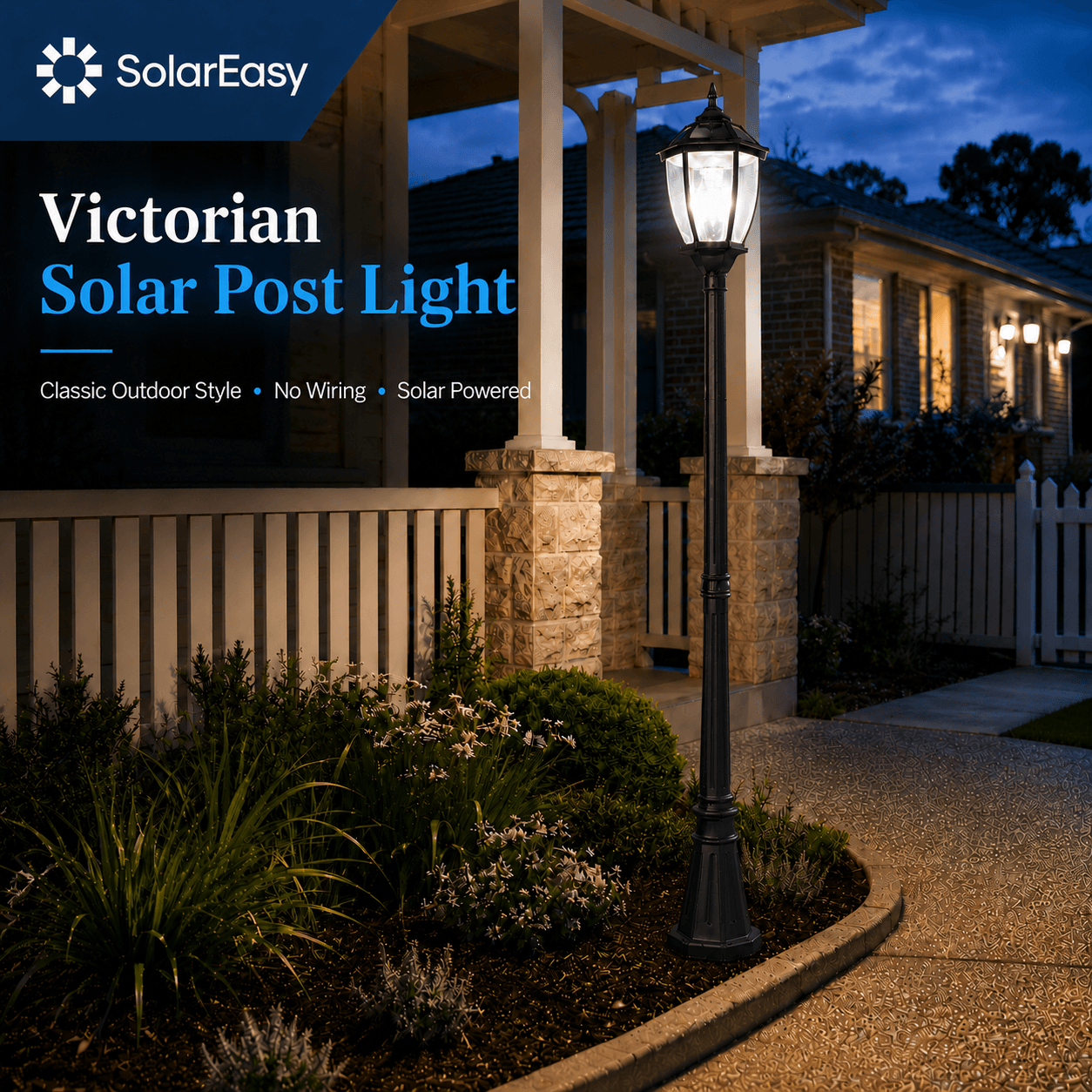
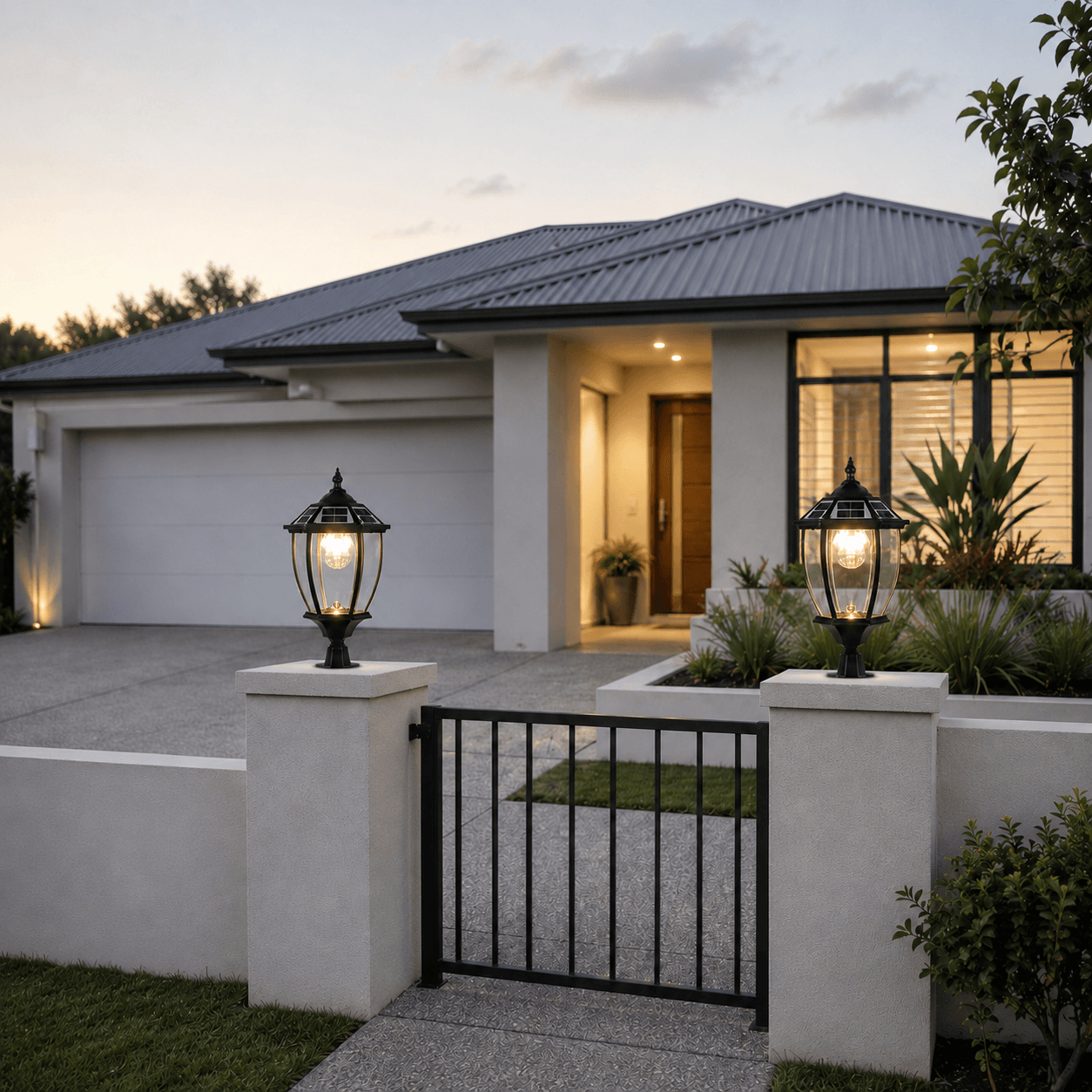
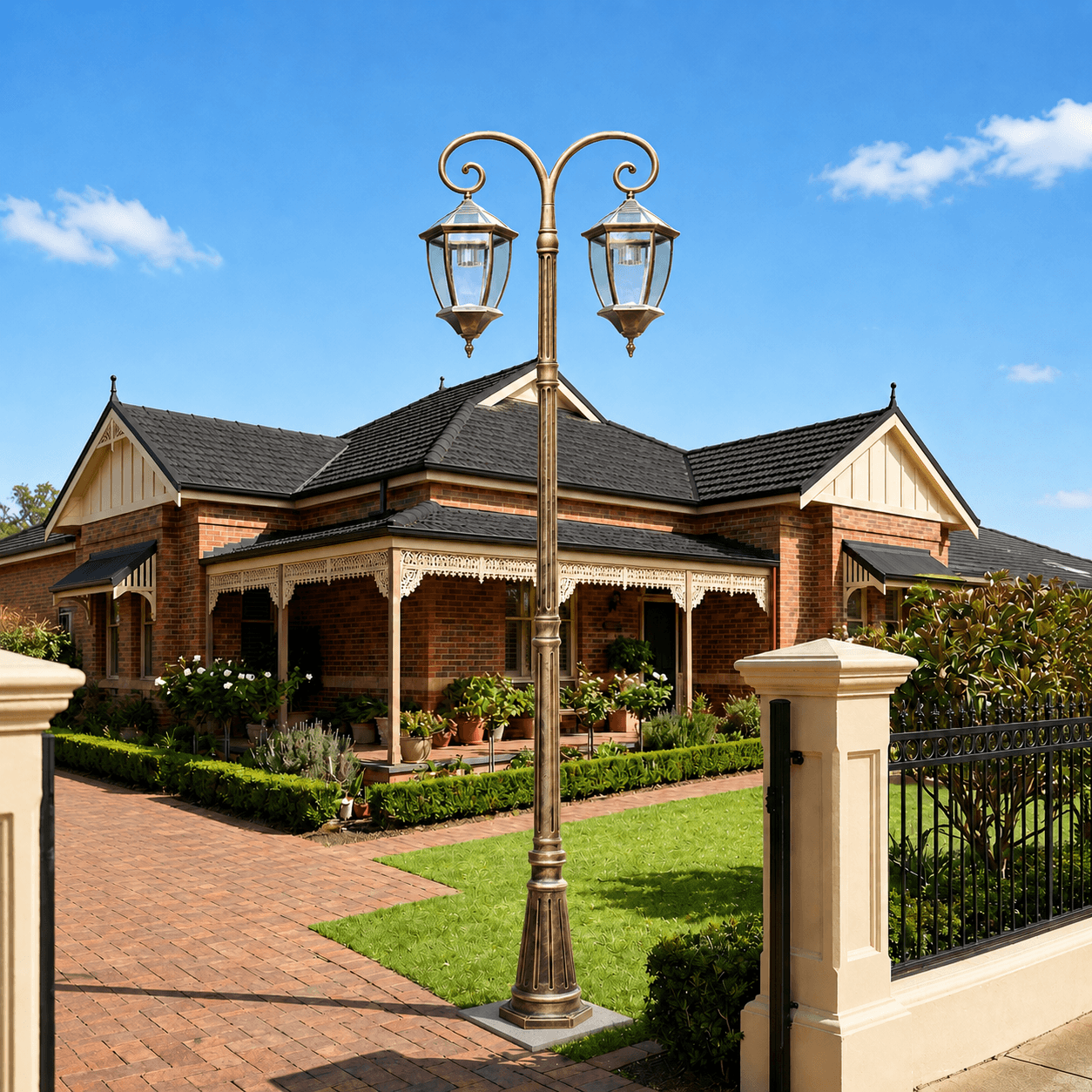
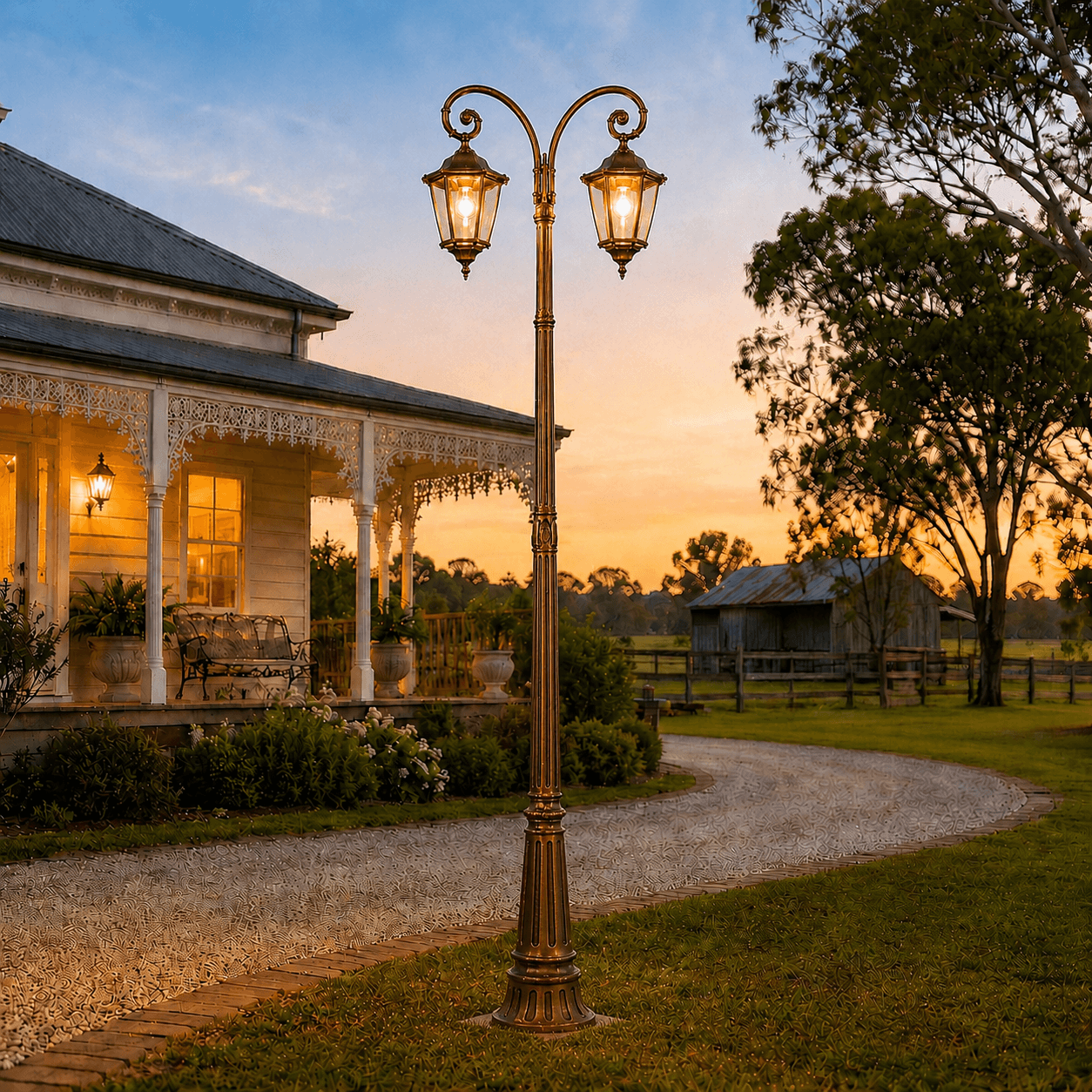
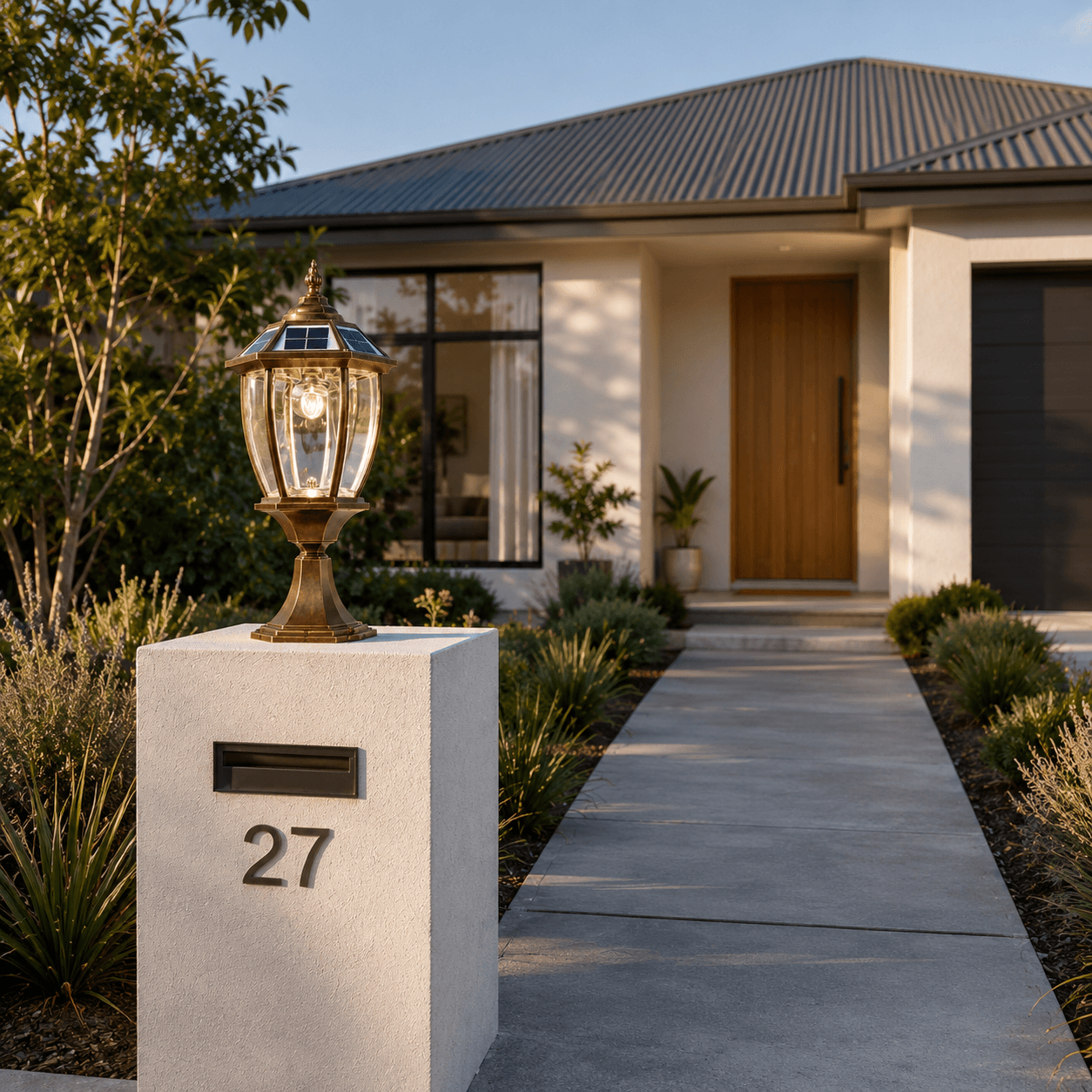
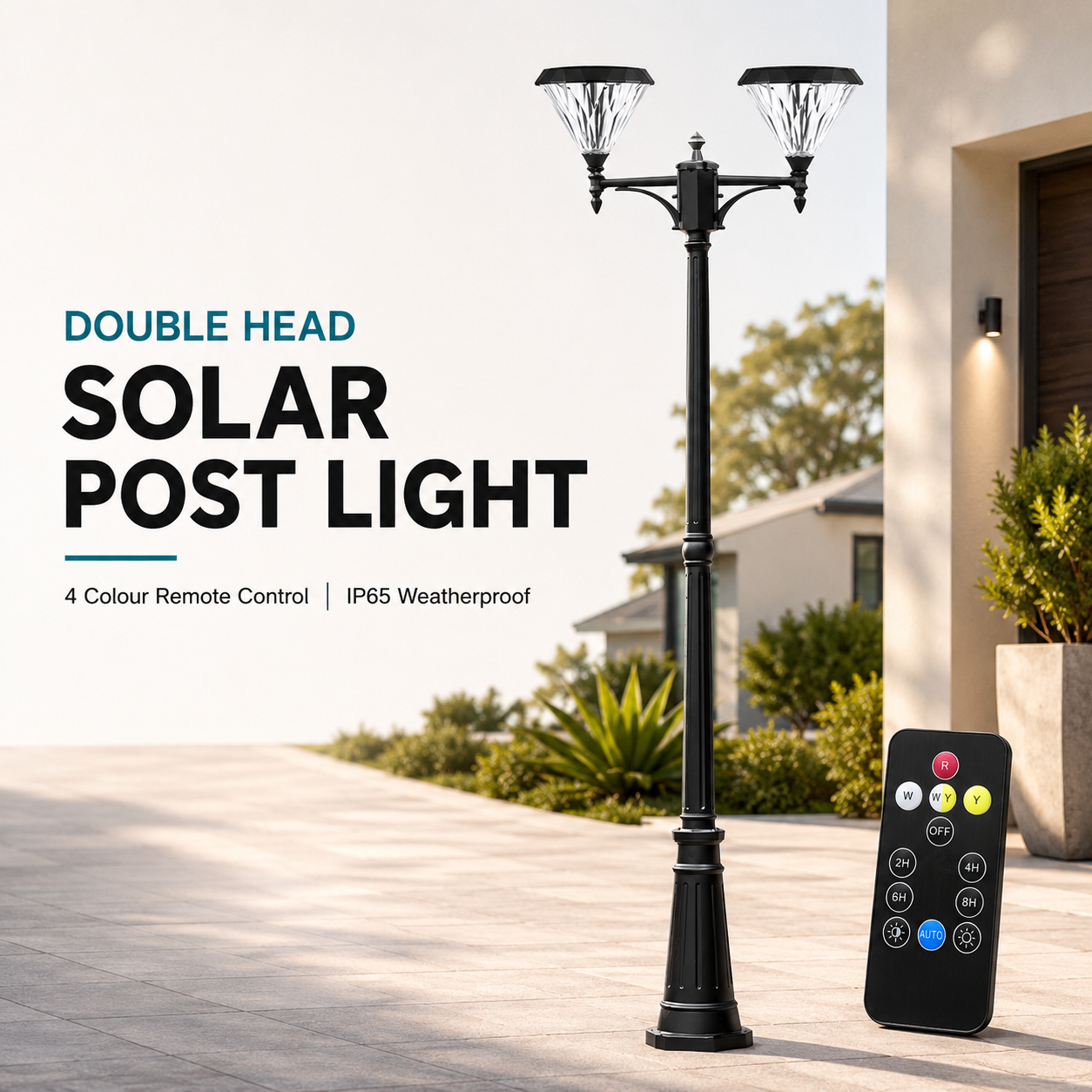
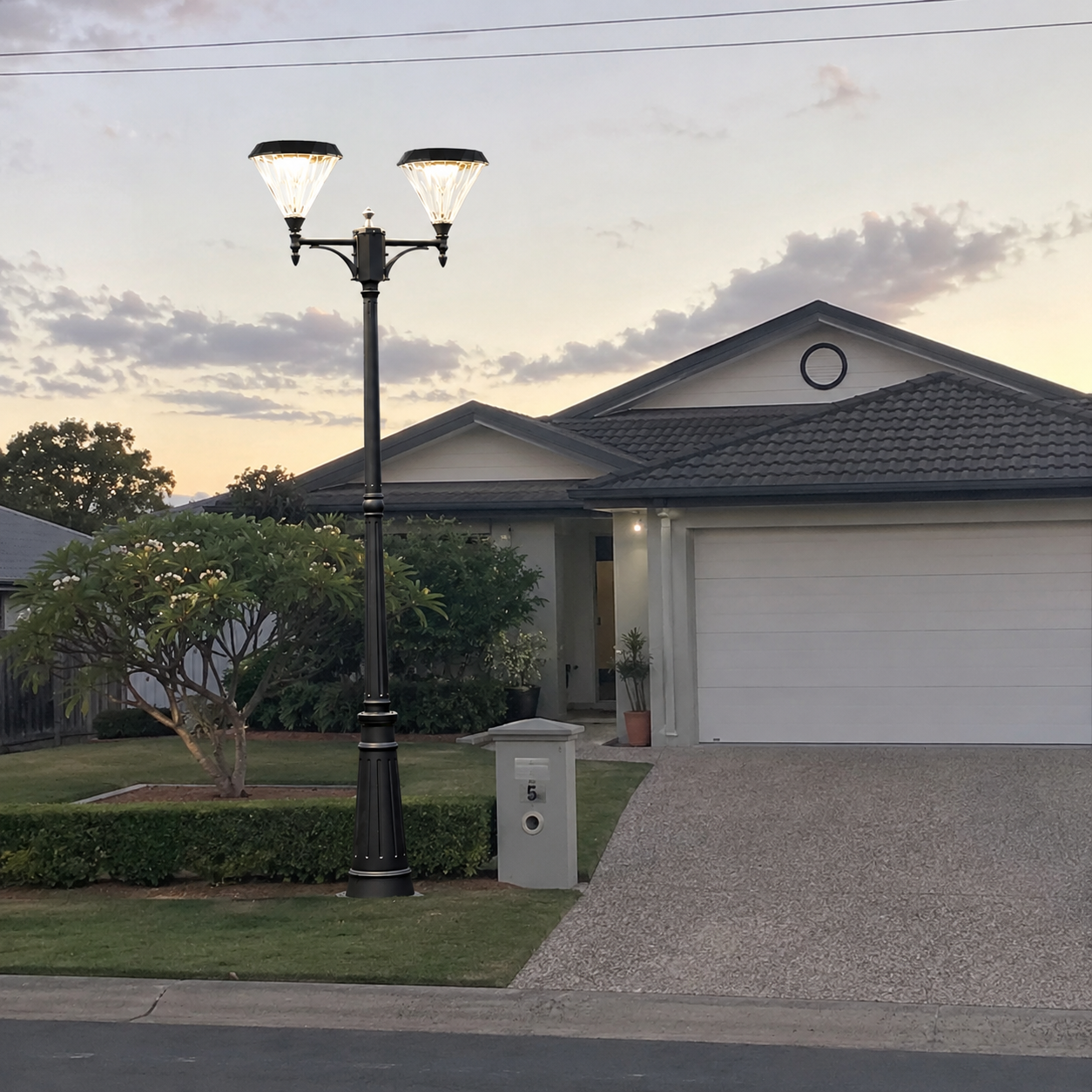
Victorian solar post lights can work particularly well along driveways, garden paths and landscaped areas, while Victorian solar pillar lights are well suited to brick columns, stone pillars, front gates and entrance walls.
For Australian homeowners who like a traditional appearance, Victorian lighting can add character without making the outdoor area feel overly formal.
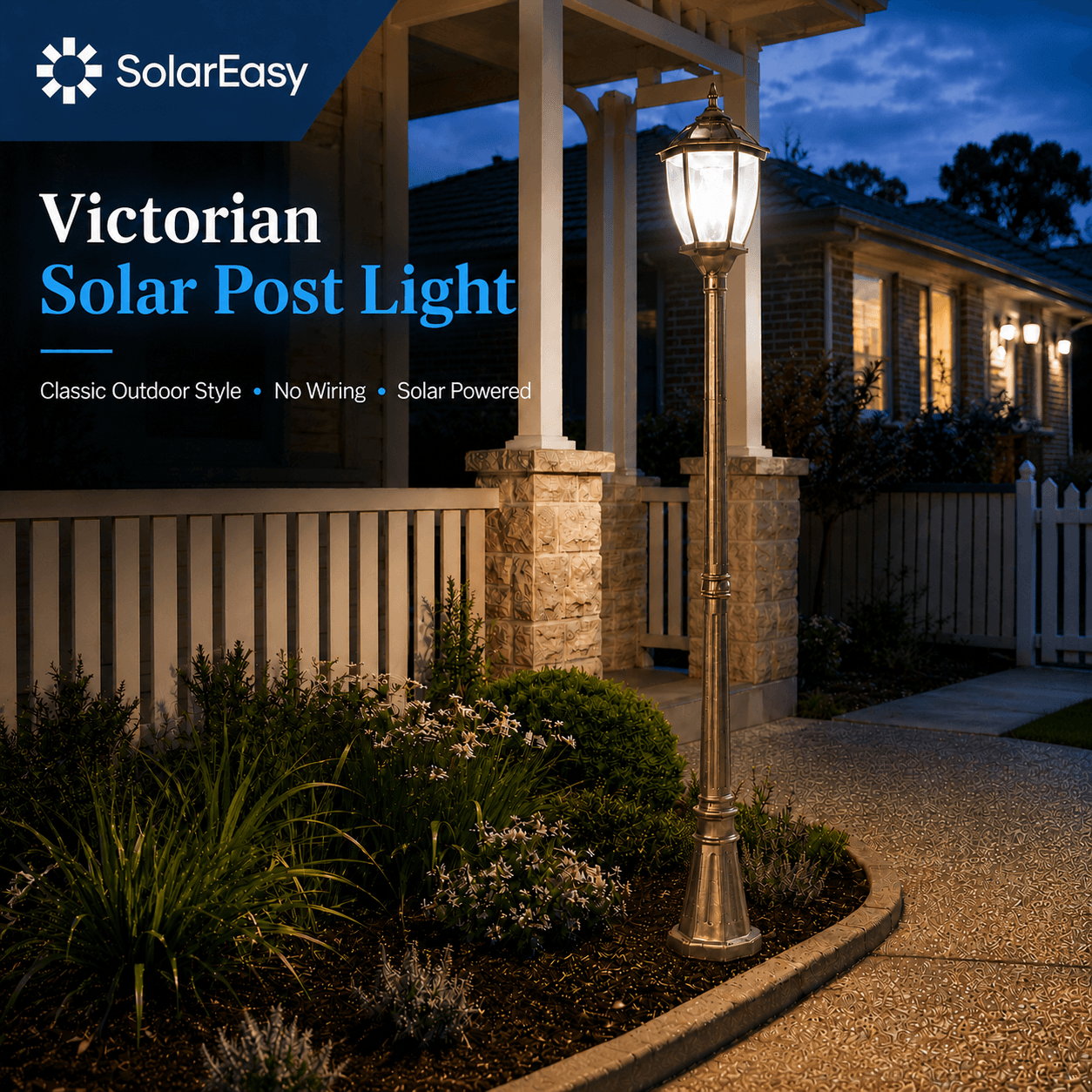
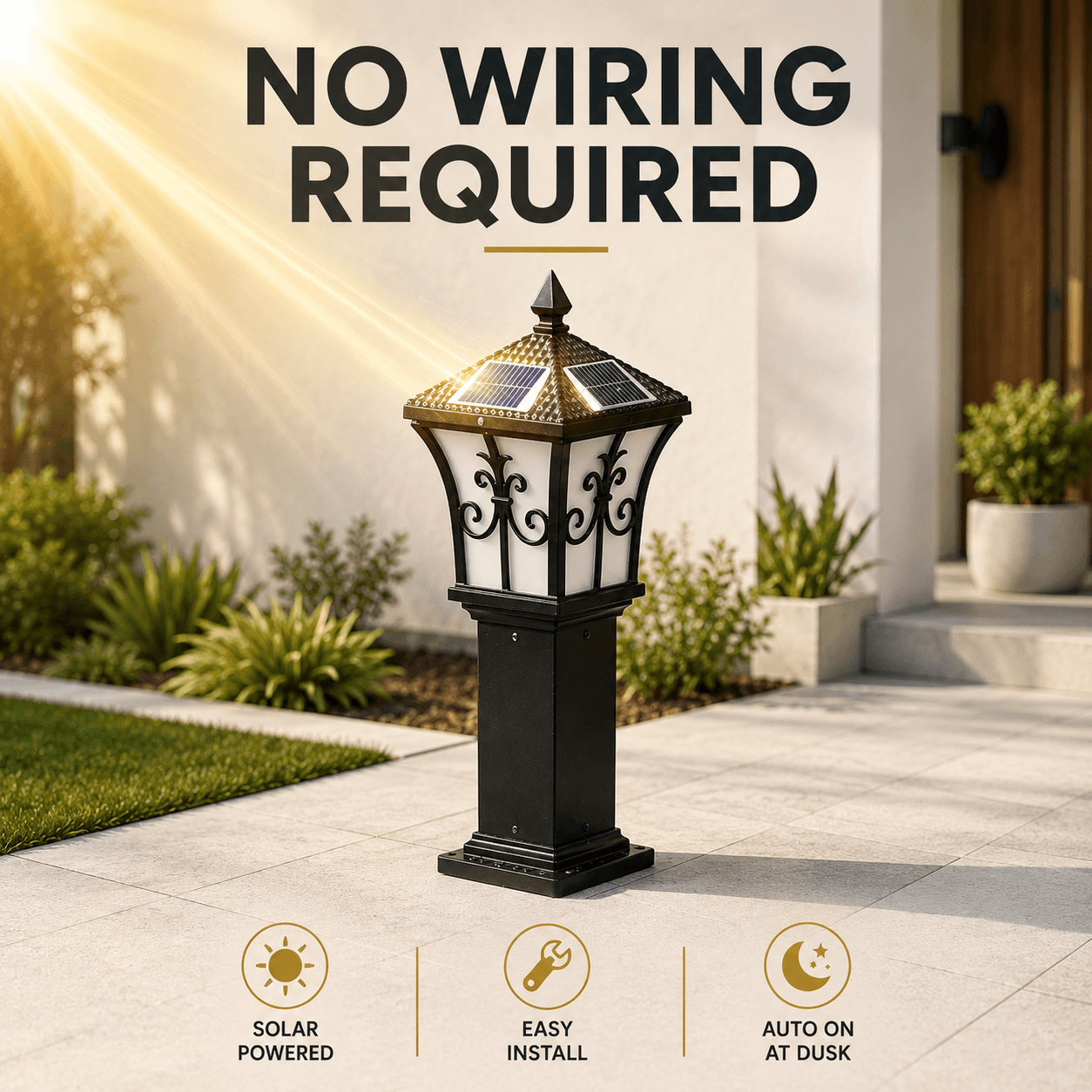
Modern solar versions also offer an important advantage: they provide the traditional appearance of older-style lighting without requiring mains wiring.
What Does "Classic" or "Classical" Style Mean?
The term classic is broader than Victorian.
Classic outdoor lighting generally refers to designs that have a timeless appearance rather than following short-term design trends. A classic post light may include balanced proportions, traditional lantern shapes and neutral finishes such as black or bronze.
Because Victorian lighting has remained popular for generations, it can also be described as a form of classic outdoor lighting.
This means that someone searching online for a "classic solar post light" or "classic pillar light" may actually be looking for a Victorian-inspired design, even if they do not use the word Victorian.
The word classical is sometimes used in a similar way, although "classic" is generally the more natural term when describing residential outdoor lighting.
What Is Heritage-Style Lighting?
In Australia, the term heritage is commonly associated with homes and architectural styles that have a traditional or historical character.
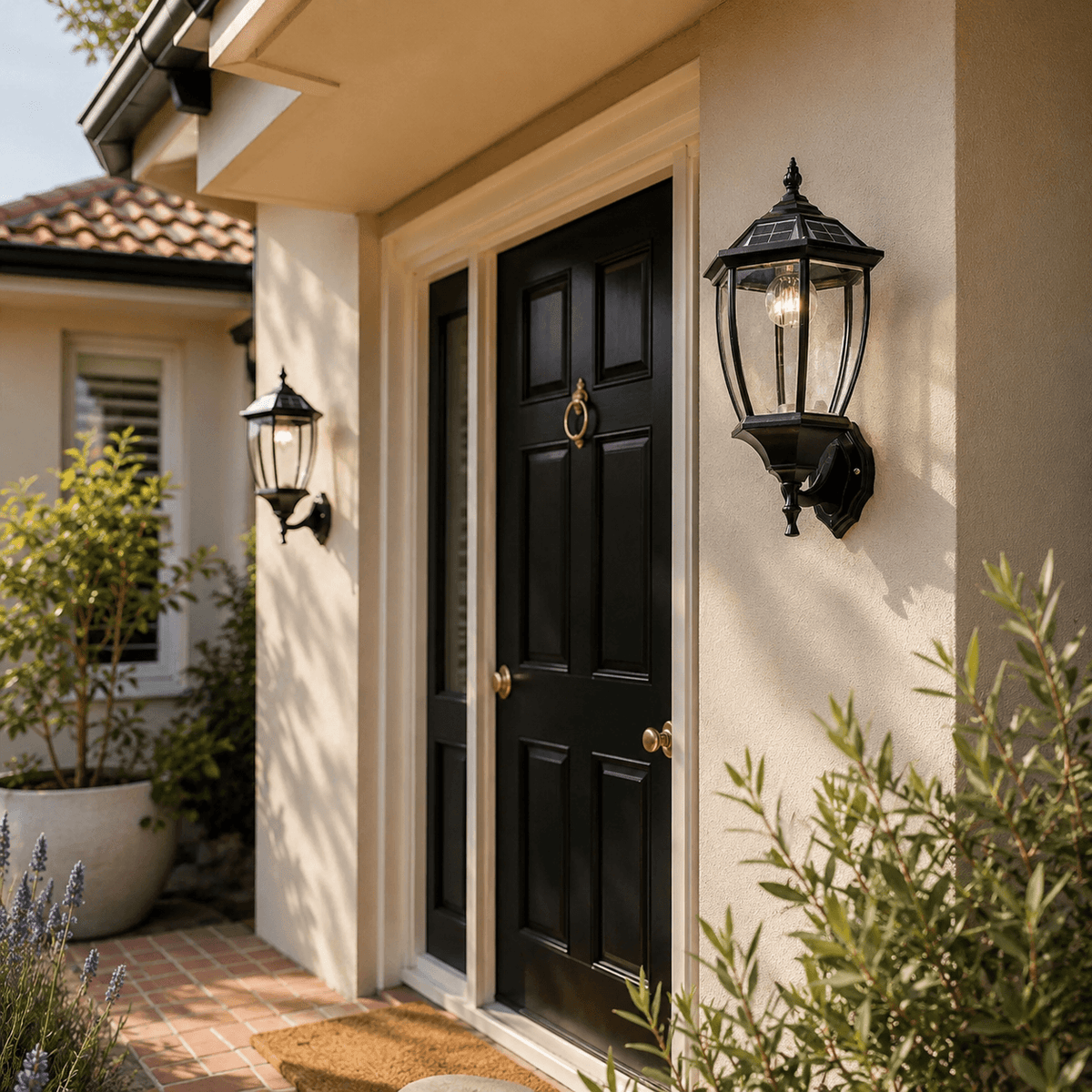
Heritage-style lighting can complement Federation homes, Victorian-inspired houses, older brick properties, established gardens and traditional entrances.
However, a property does not need to be officially heritage-listed to use heritage-style pillar lights or post lights.
Many Australian homeowners simply choose heritage lighting because they prefer the warmth and character of traditional design.
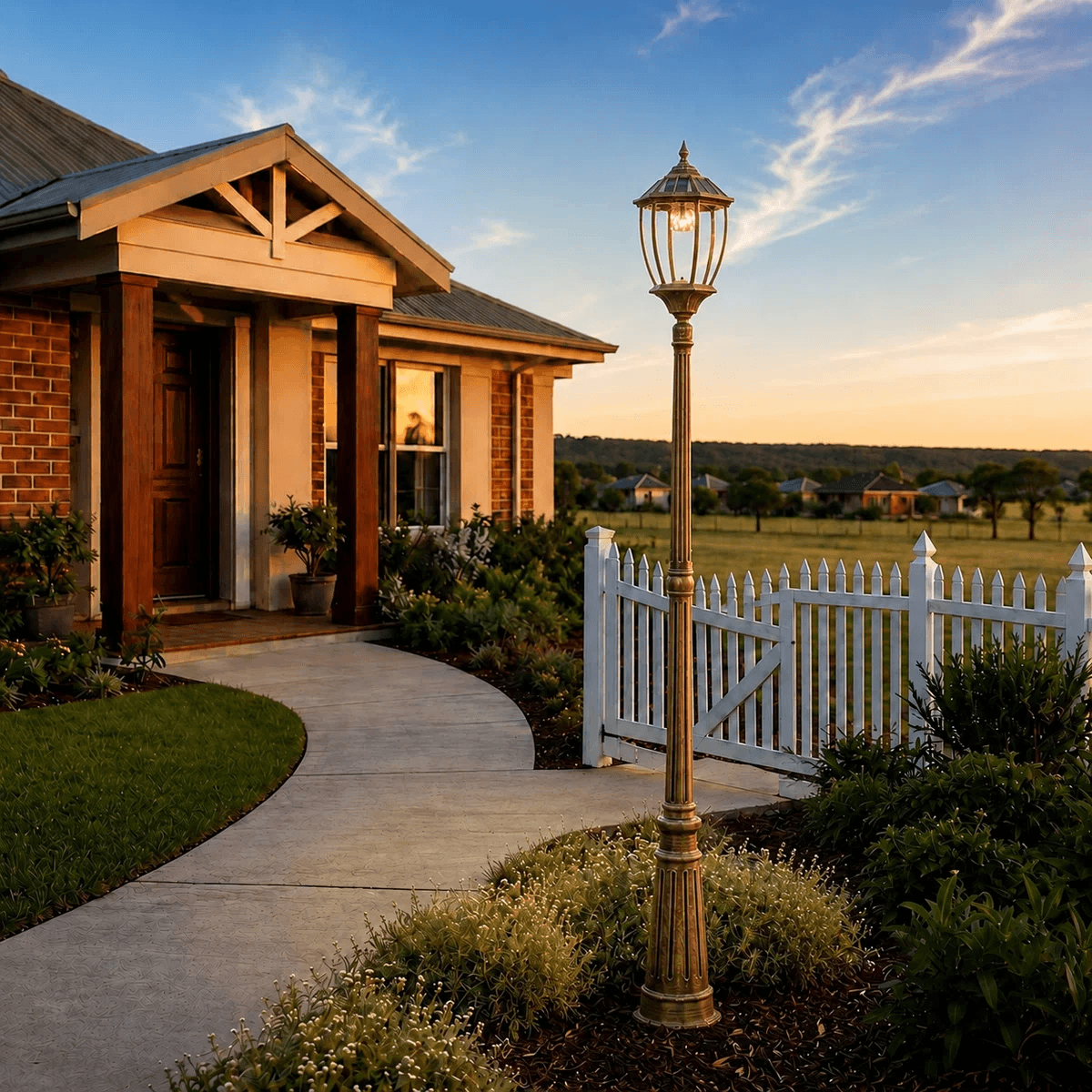
A black Victorian lantern may create a strong heritage appearance, while a bronze finish can produce a softer, warmer look that suits brickwork, sandstone, timber and established landscaping.
What Does "Antique Style" Mean?
The term antique needs a little more explanation.
A genuine antique light would normally be an original old fitting from an earlier period. Most modern outdoor lights sold today are therefore better described as antique-style rather than actual antiques.
Antique-style solar lights are newly manufactured products designed to reproduce an older appearance.
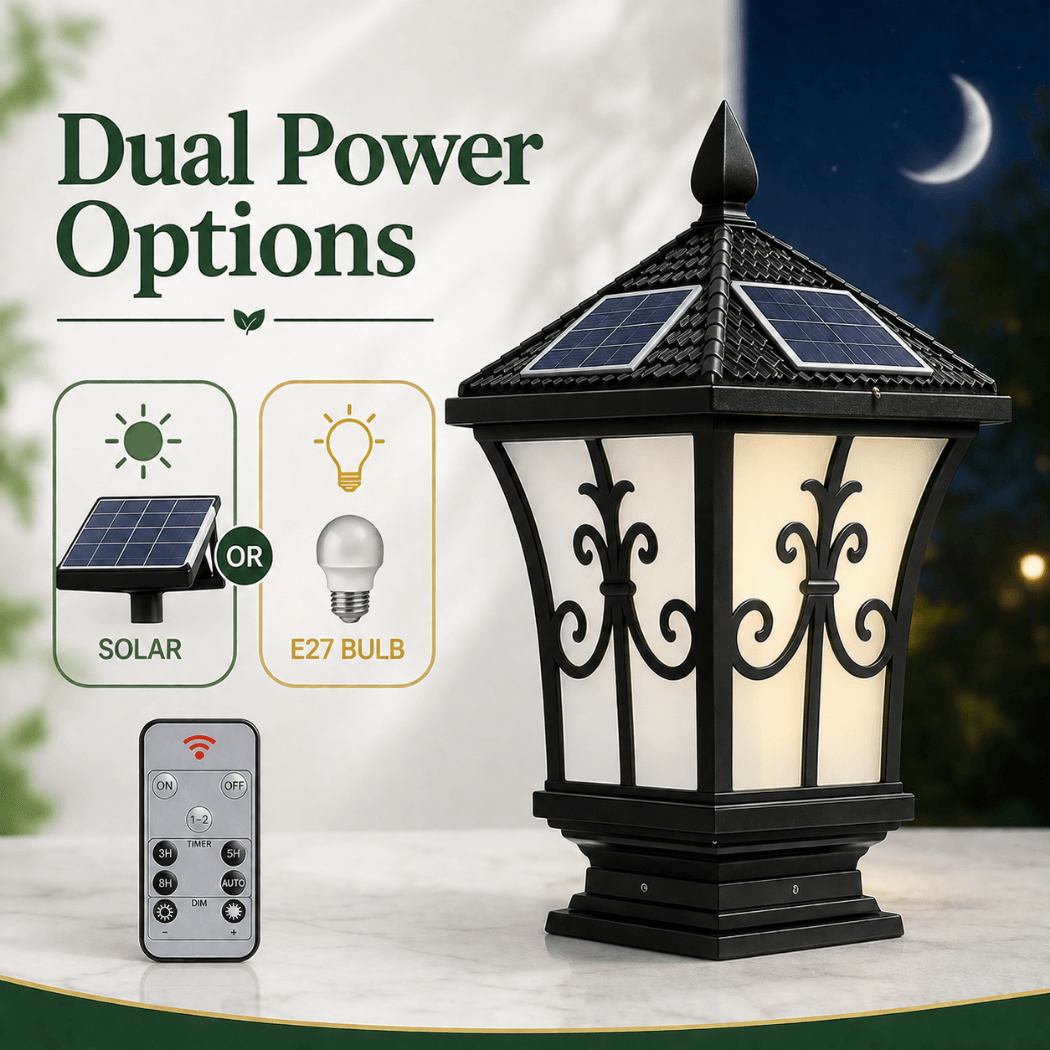
Features such as decorative frames, bronze finishes, traditional lantern shapes and clear glass panels can create an old-world character while still incorporating modern solar panels, batteries, LED lighting and remote controls.
For homeowners who like the visual appeal of older lighting but want modern convenience, antique-style solar lighting can offer a practical compromise.
Victorian vs. Classic vs. Heritage vs. Antique – Which Should You Choose?
These four descriptions should not necessarily be treated as completely separate categories.
A simple way to think about them is:
- Victorian refers to a recognisable decorative period-inspired design.
- Classic describes a broader, timeless traditional appearance.
- Heritage refers to lighting that complements older or traditionally styled Australian homes.
- Antique-style focuses more on creating an aged or old-world visual character.
A Victorian solar post or pillar light can therefore be Victorian, classic, heritage and antique-style at the same time.
The best description often depends on the property and the appearance the homeowner wants to achieve.
Choosing the Right Style for an Australian Home
The installation location can also influence which style works best.
Solar pillar lights are particularly suitable for front gate pillars, brick columns, stone walls and driveway entrances. Because they sit closer to eye level, they can become a noticeable architectural feature during both the day and evening.
Solar post lights are generally better suited to gardens, lawns, paths and driveway edges, where the taller post creates a stronger vertical feature.
Colour and light temperature also affect the overall style. Black finishes usually create a stronger classic or Victorian appearance, while bronze tones can add warmth and an antique or heritage character.
Warm white light generally produces a softer traditional atmosphere, while cool white provides a cleaner and slightly more contemporary appearance. Where the light includes remote control selection, homeowners can choose between warm white and cool white depending on the setting and personal preference.
A Timeless Look with Modern Solar Convenience
Victorian, classic, heritage and antique-style lighting all share a common goal: adding traditional character to an outdoor space.
For Australian homeowners who want to enhance a driveway, garden, front entrance or boundary wall, Victorian solar post and pillar lights can provide a decorative, timeless appearance while retaining the convenience of modern solar technology.
Rather than focusing too heavily on the terminology, the most important consideration is choosing a design, finish, height and installation location that complements the character of your home.