
Buyer's Guide – What to Look for Before You Buy Victorian Solar Post & Pillar Lights
Victorian solar post and pillar lights are often chosen for their decorative appearance, but looks should not be the only factor in your decision.
Two lights can appear very similar online while differing significantly in construction quality, solar performance, battery capacity, installation method and long-term reliability.
For Australian homeowners looking for a classic, heritage or antique-style outdoor light, it is worth checking the complete product before buying.
Decide First: Pillar Light or Post Light?
The first question is where the light will be installed.
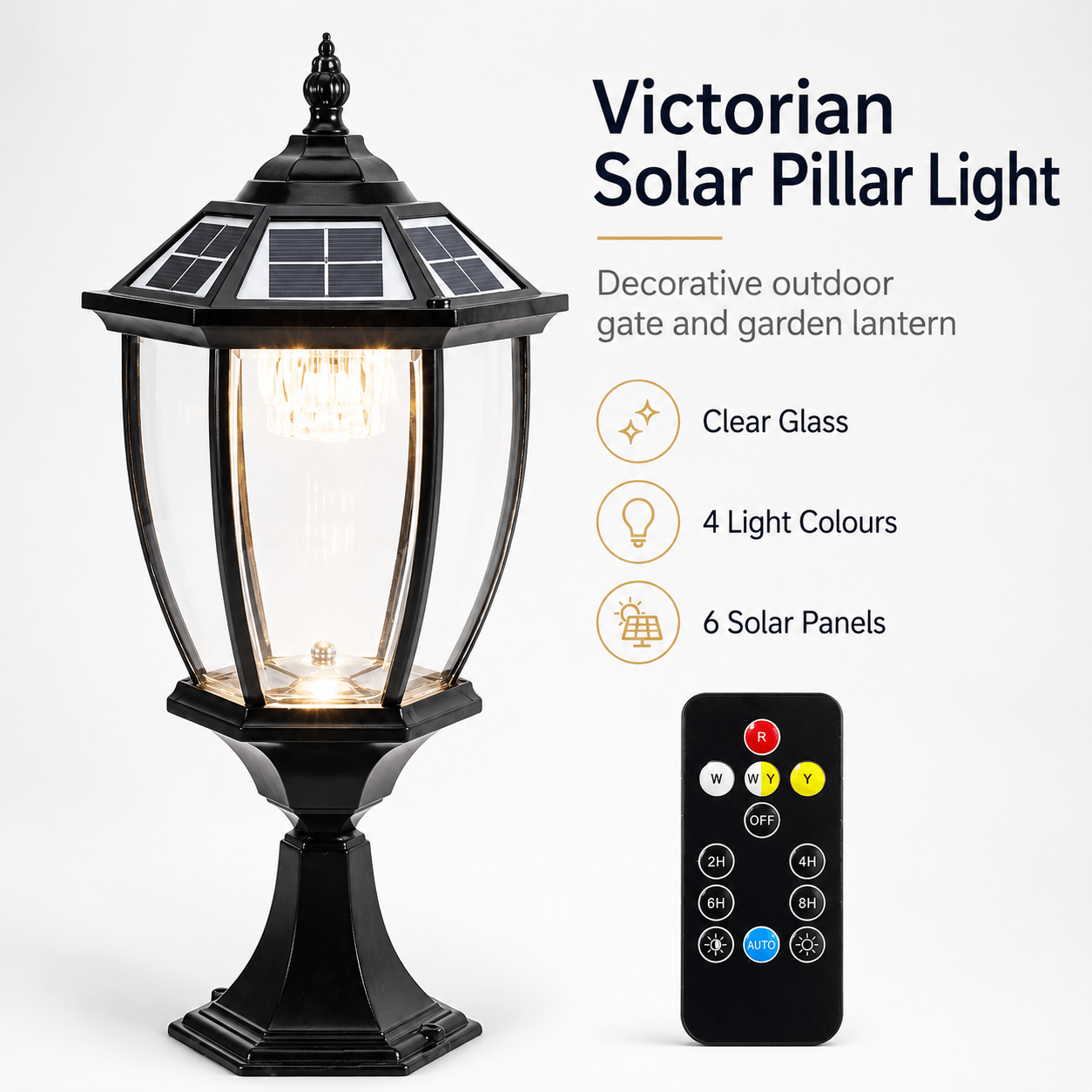
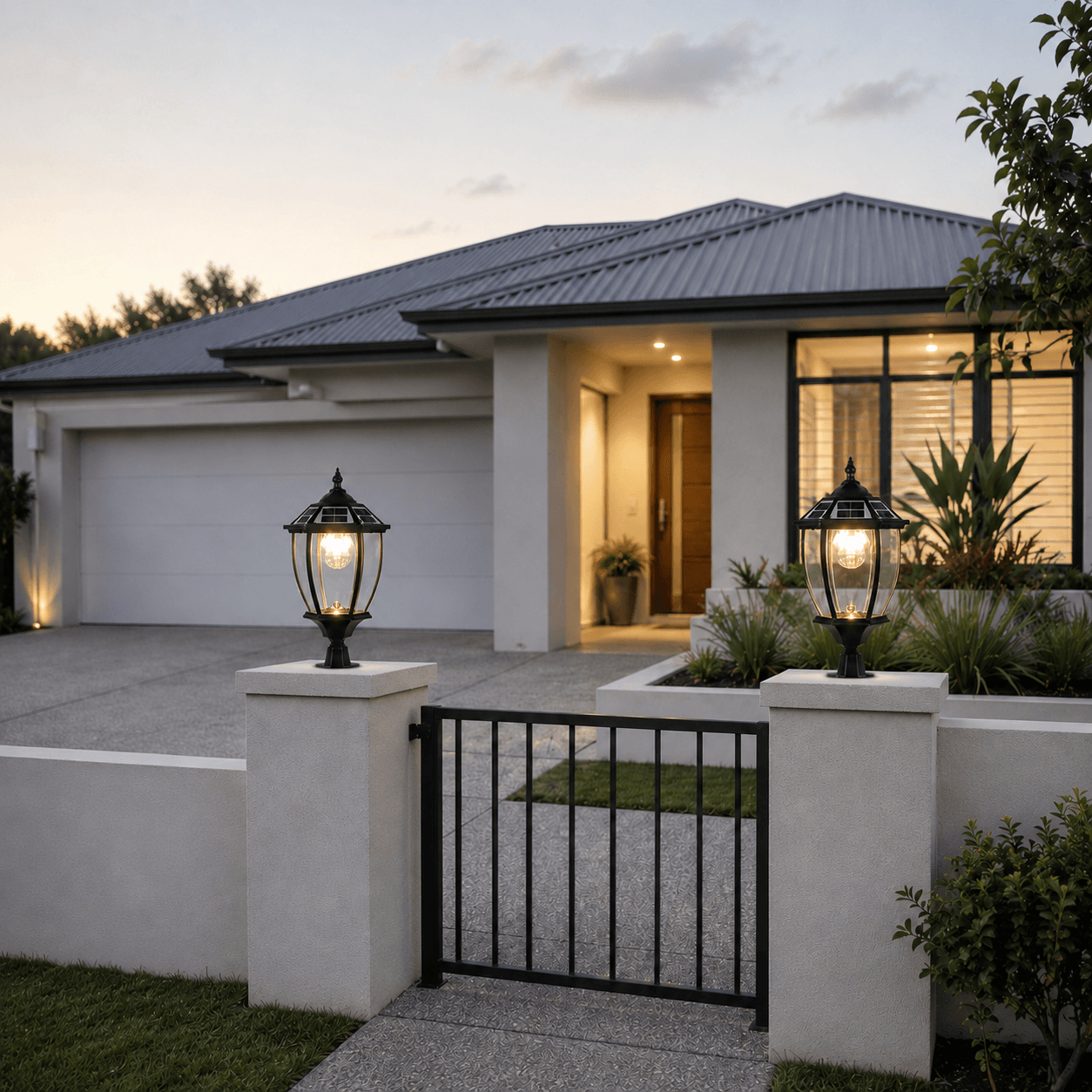
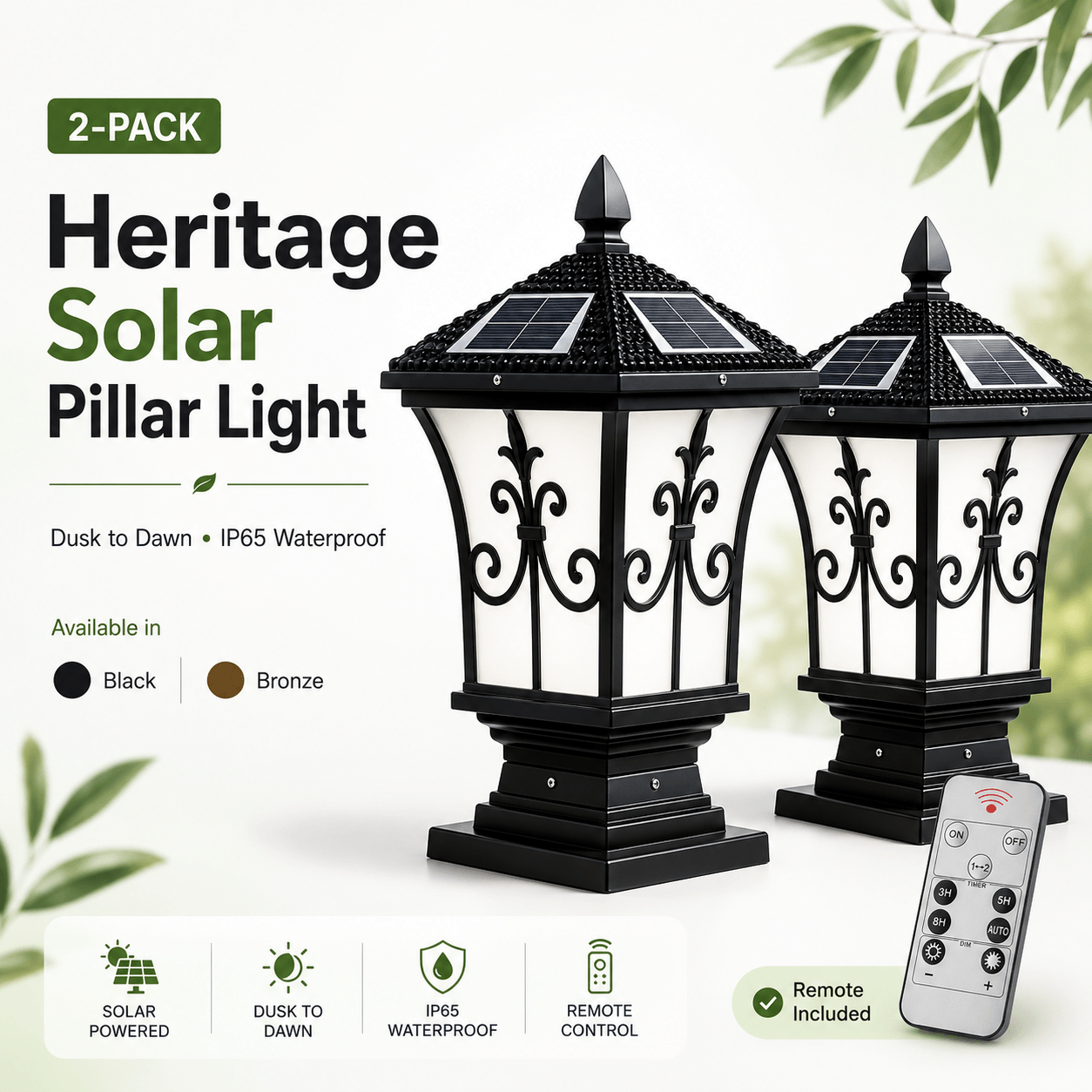
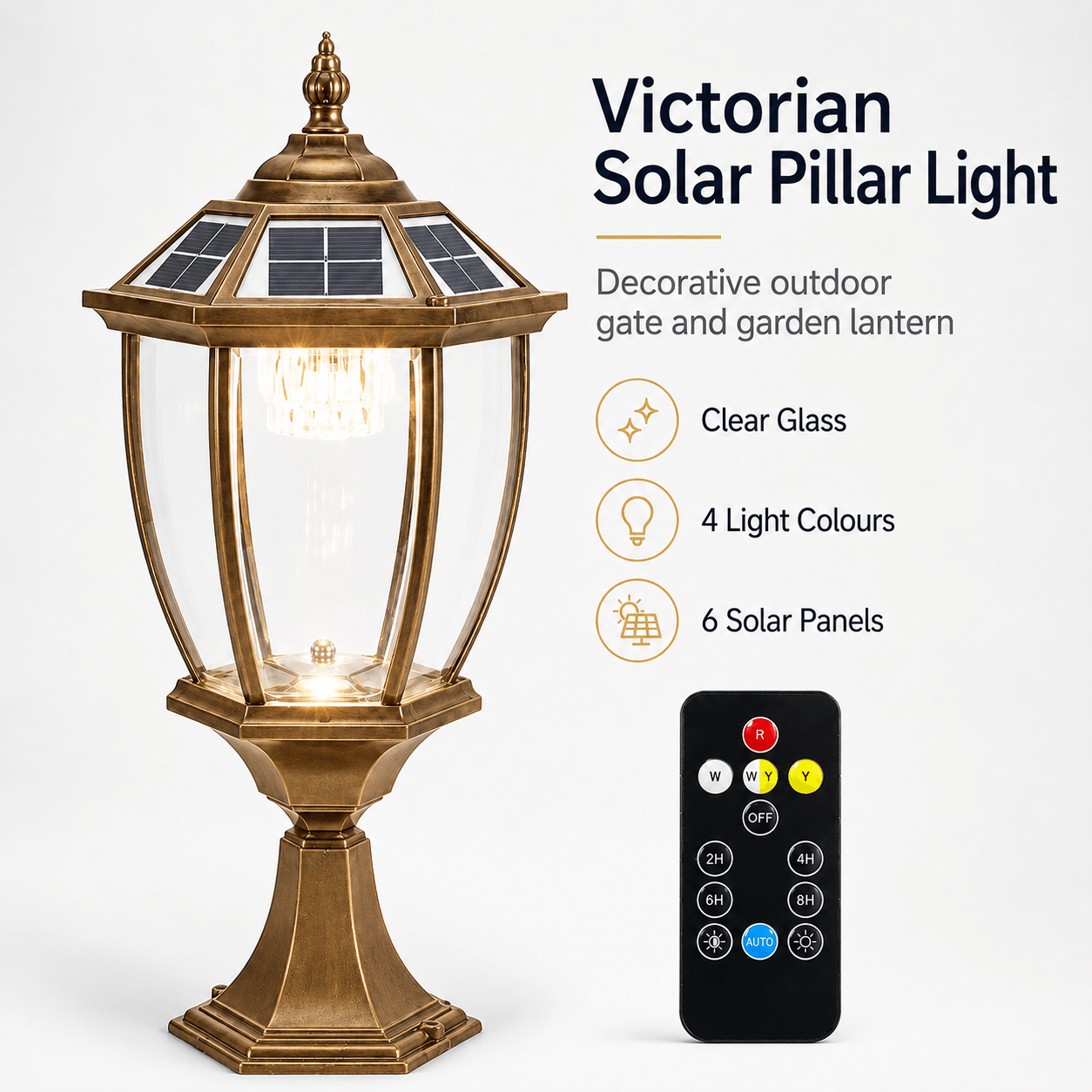
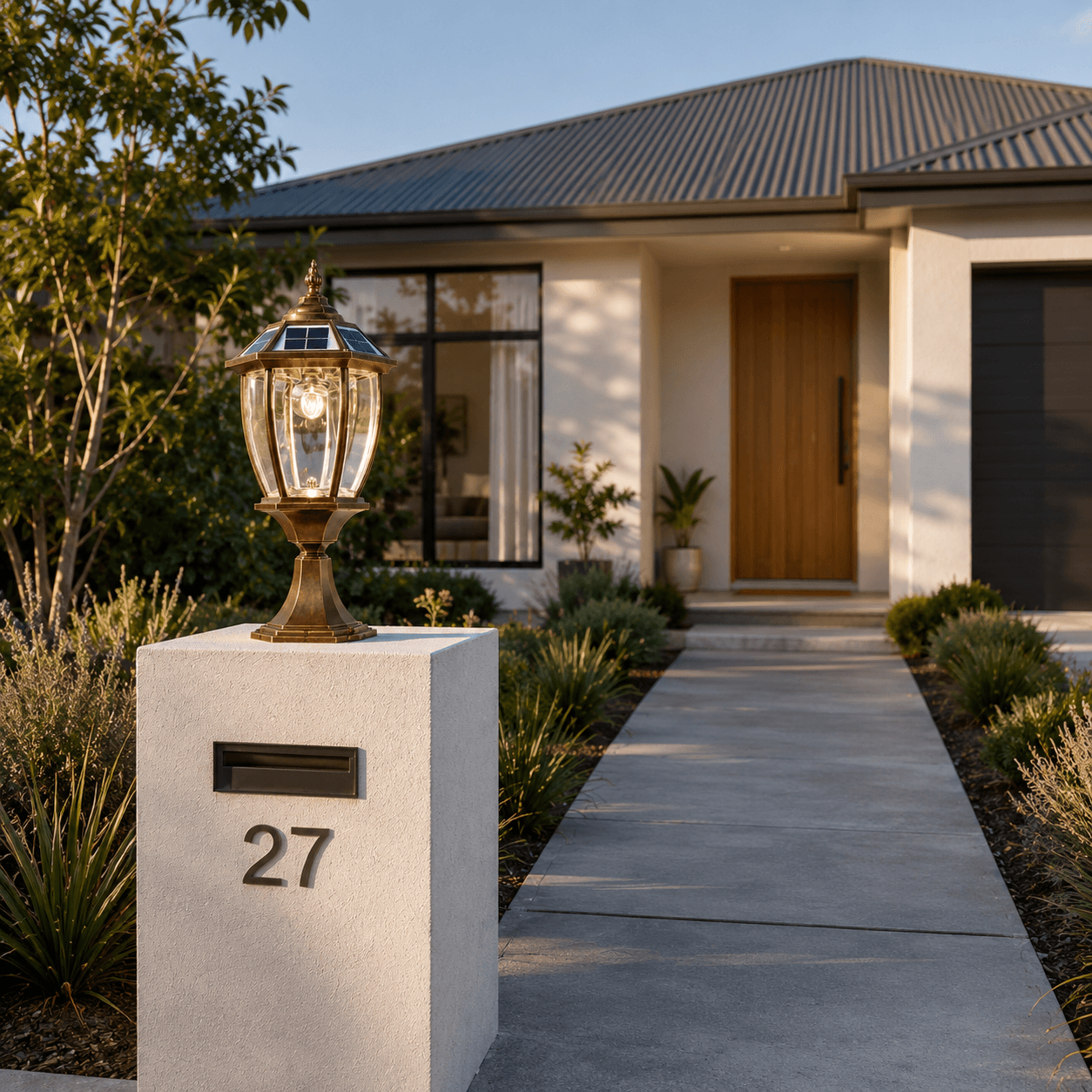
Solar pillar lights are designed to sit on top of brick, stone or masonry pillars. They are commonly used at front gates, driveway entrances and boundary walls.
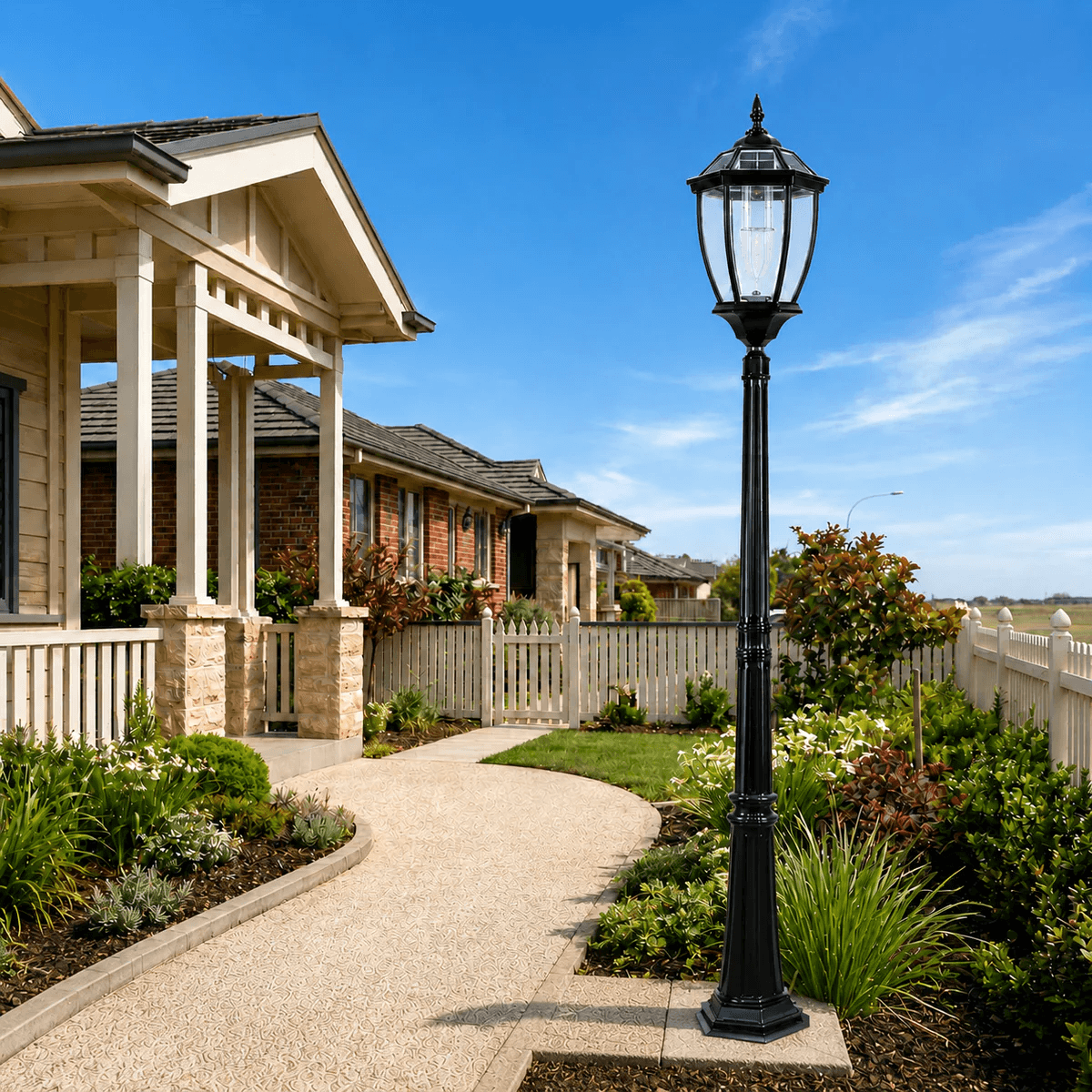
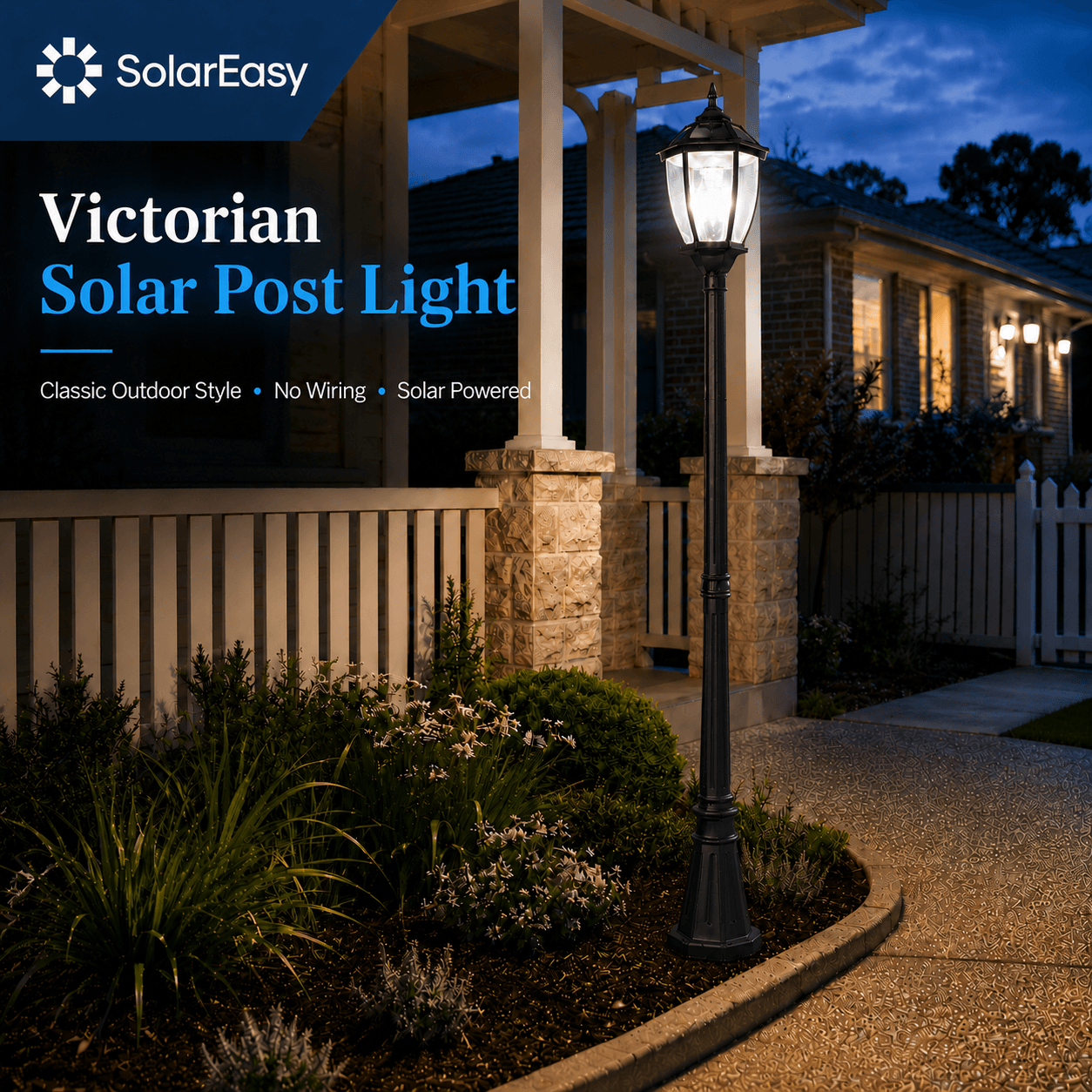
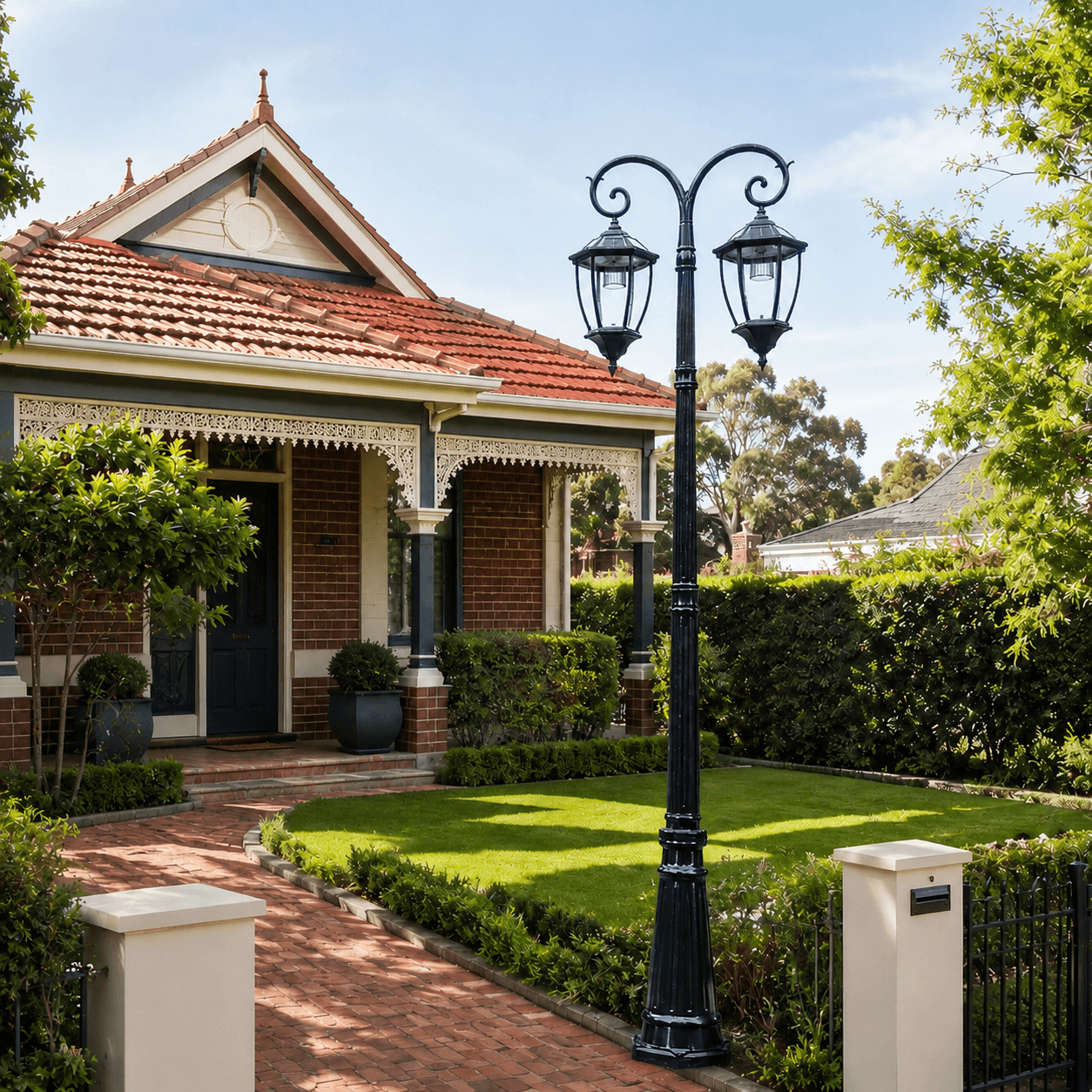
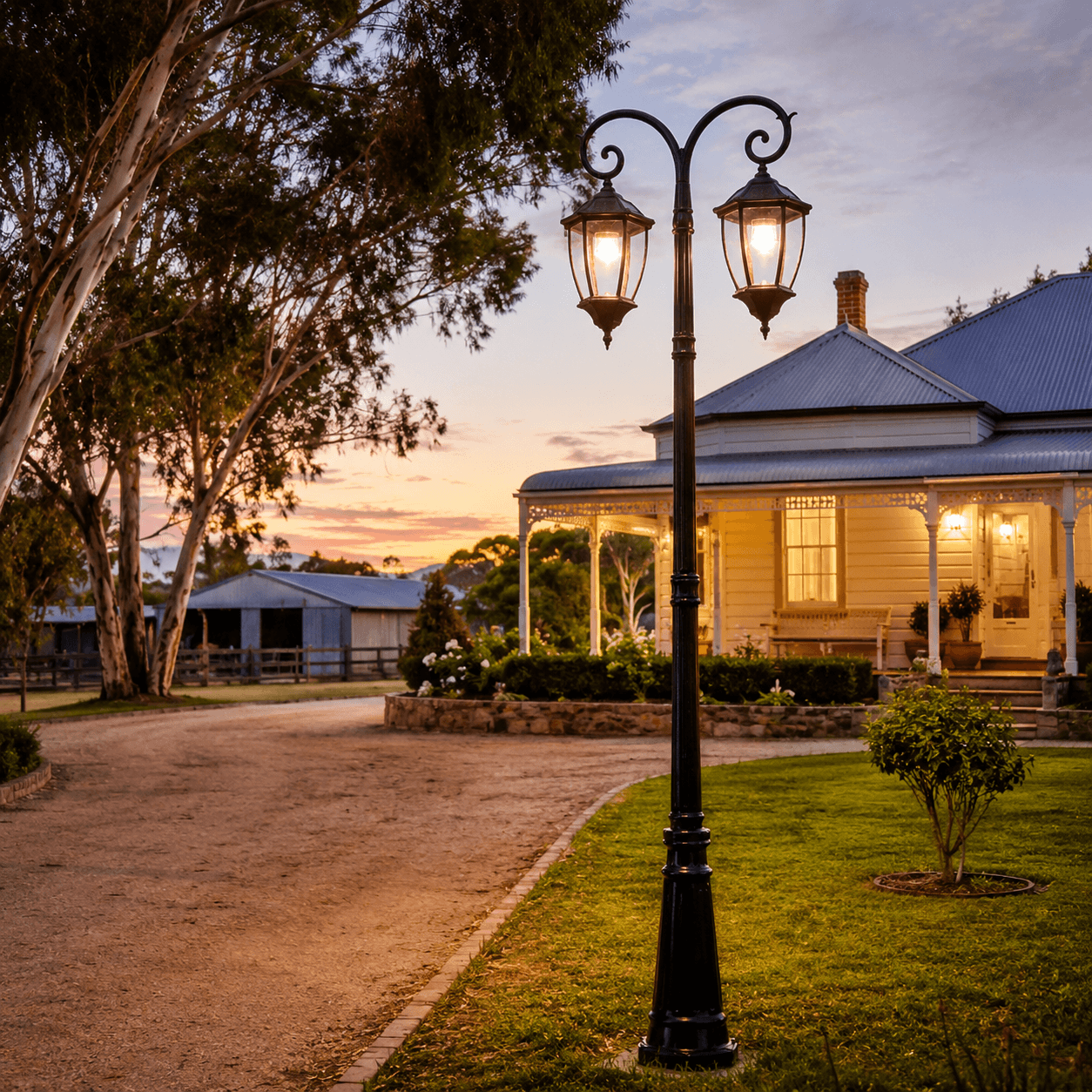
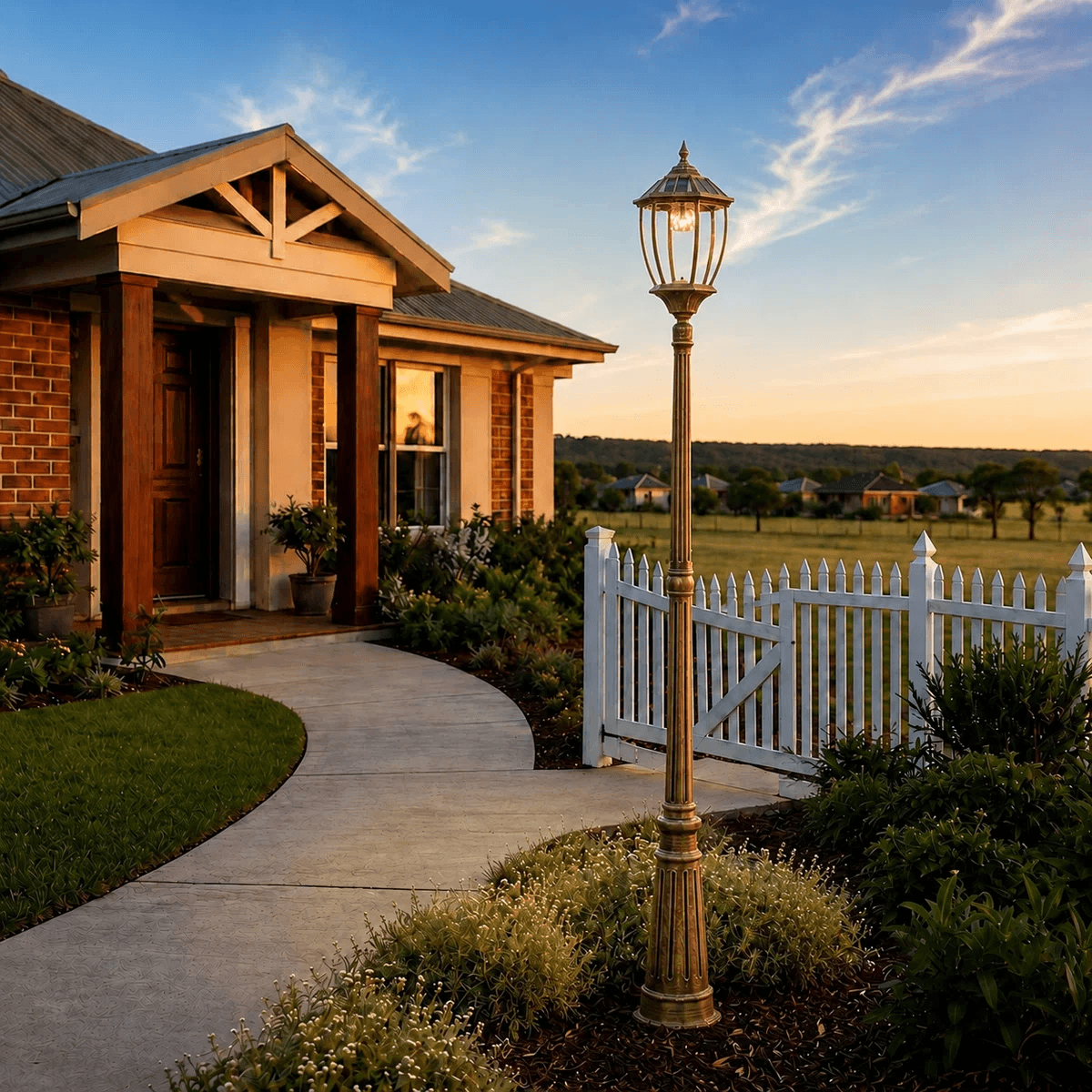
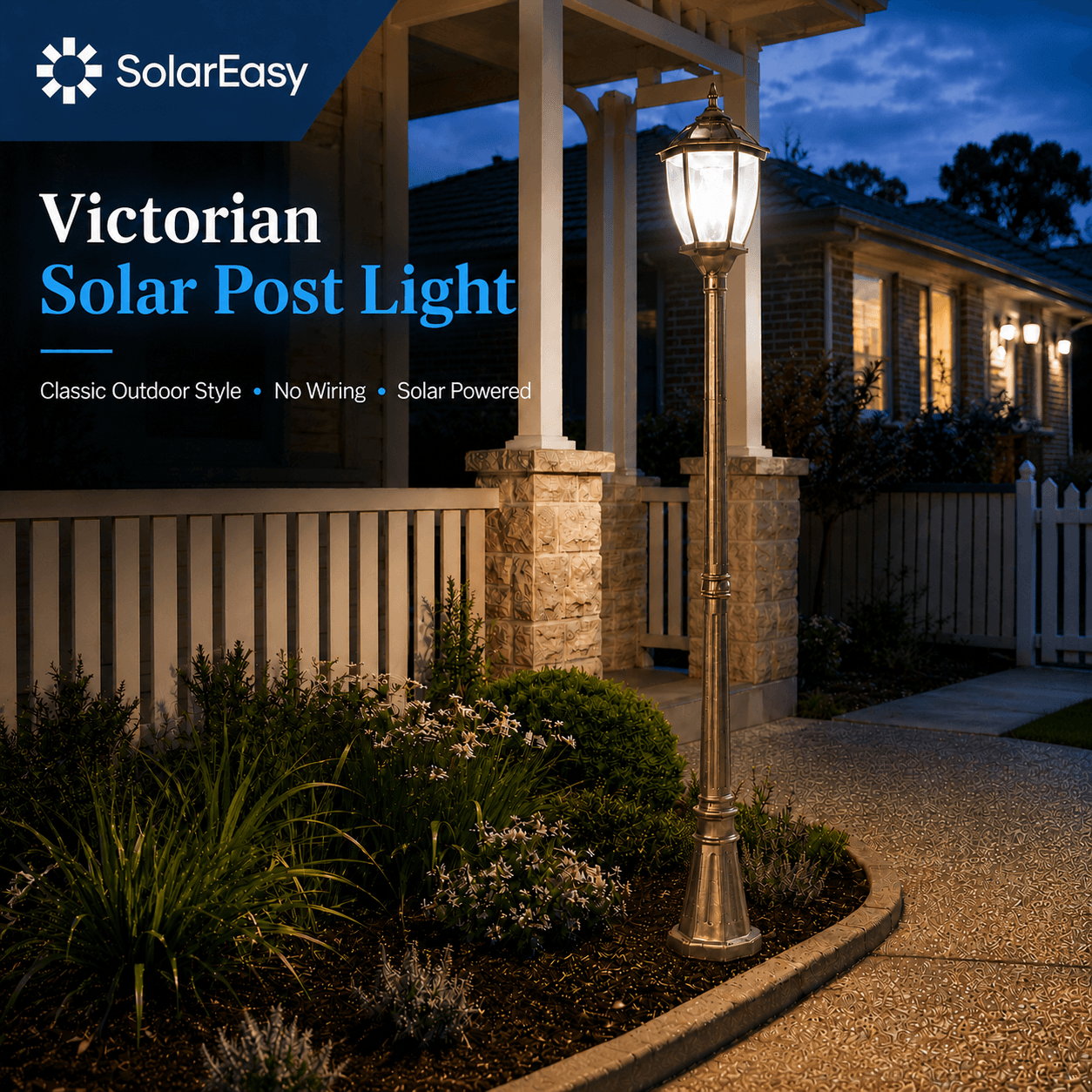
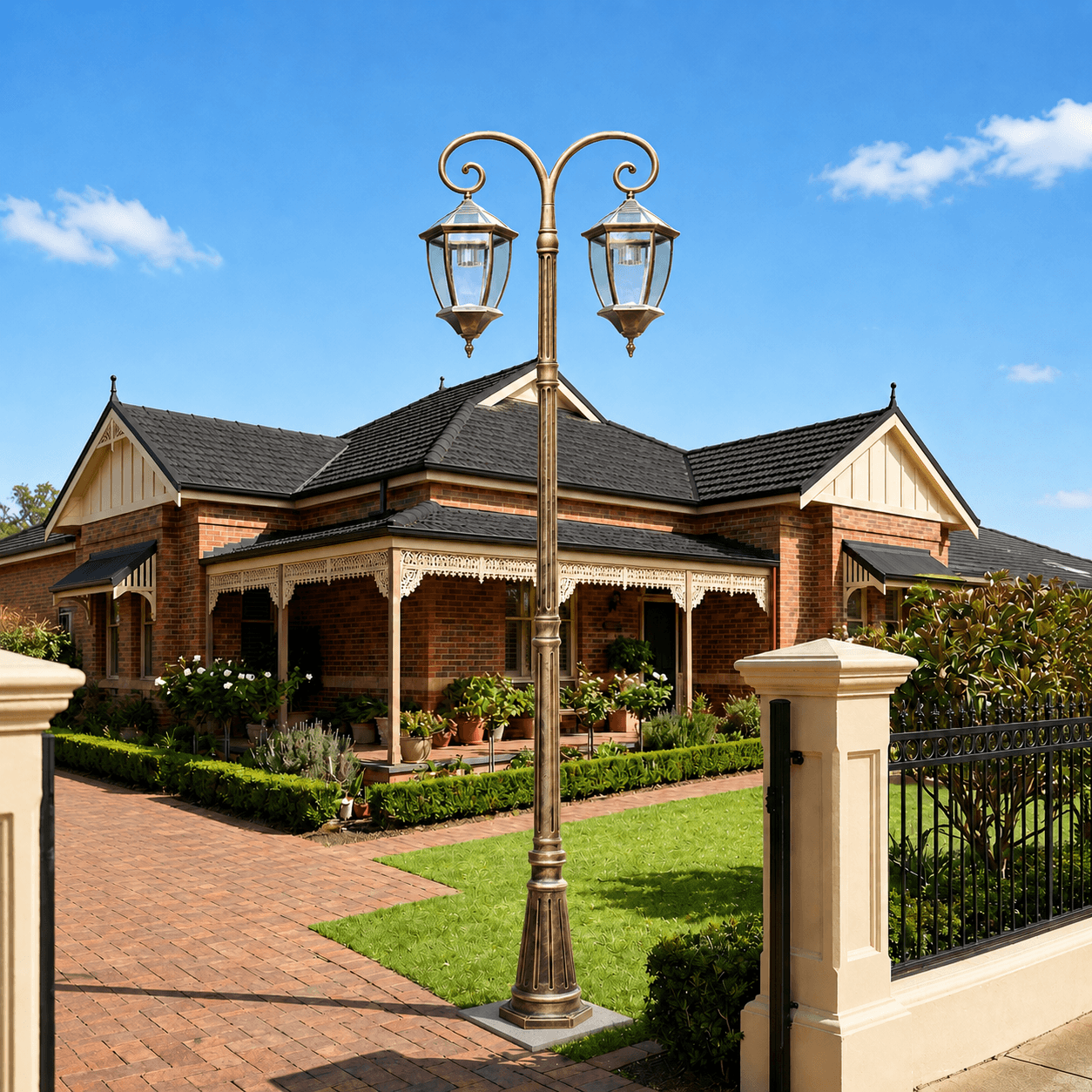
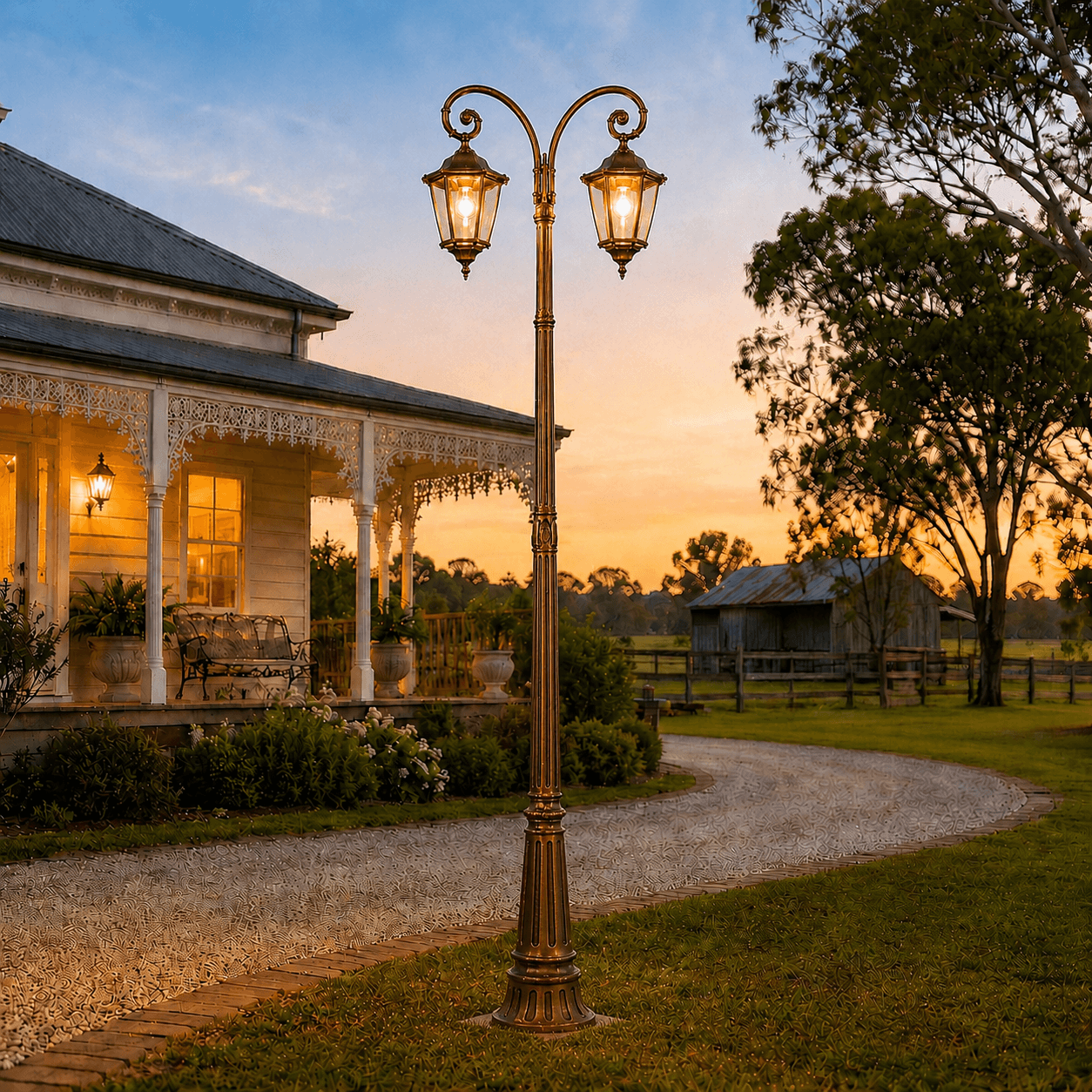
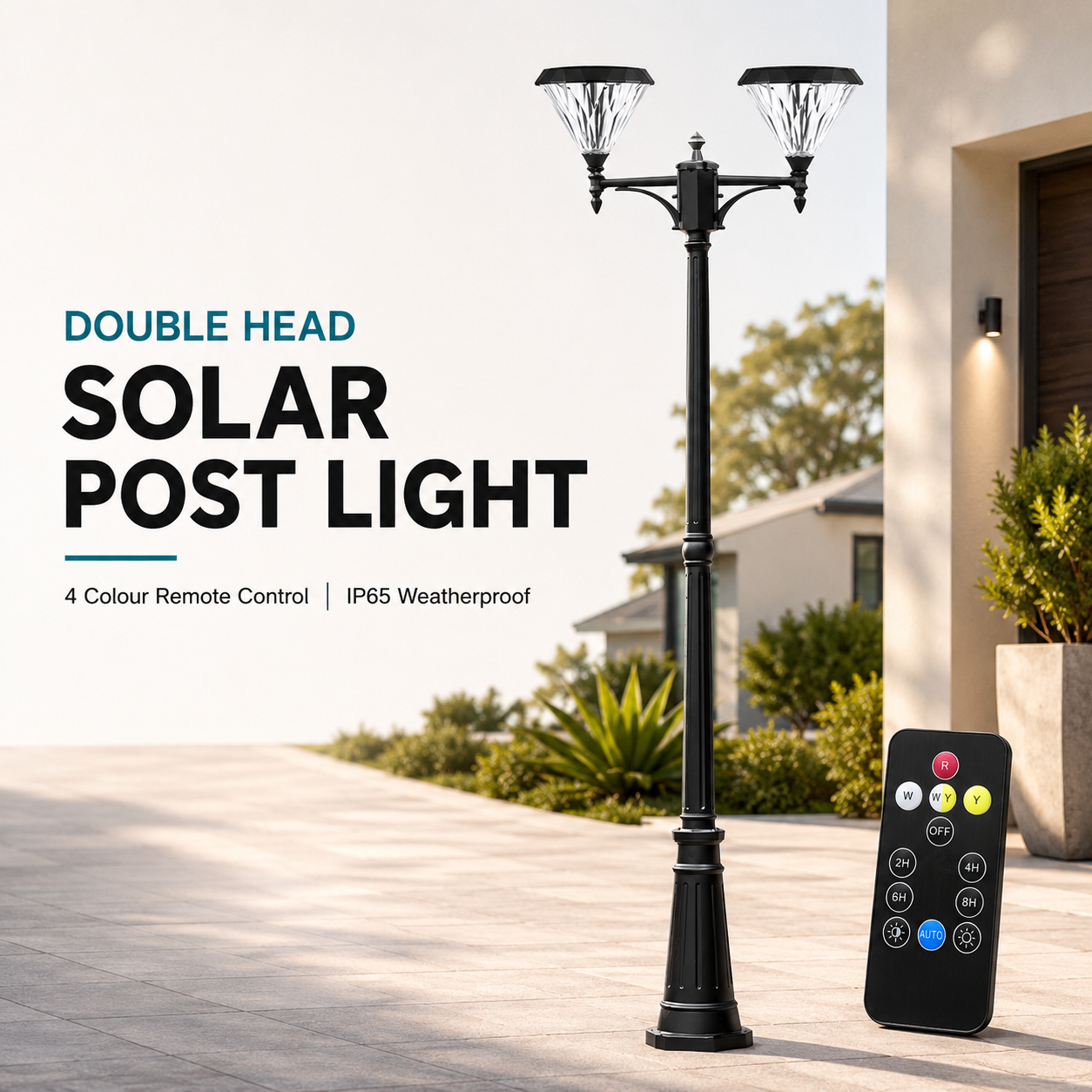
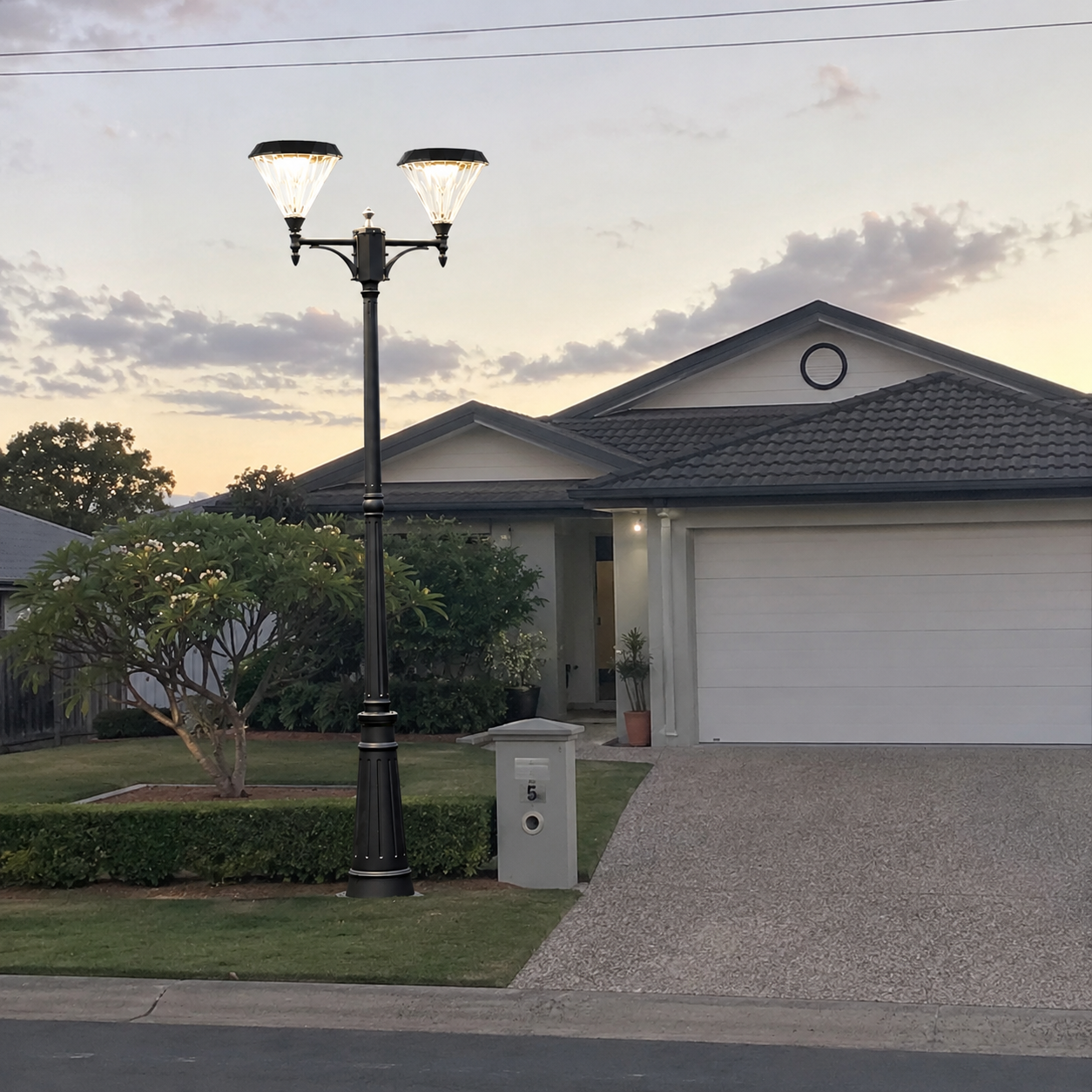
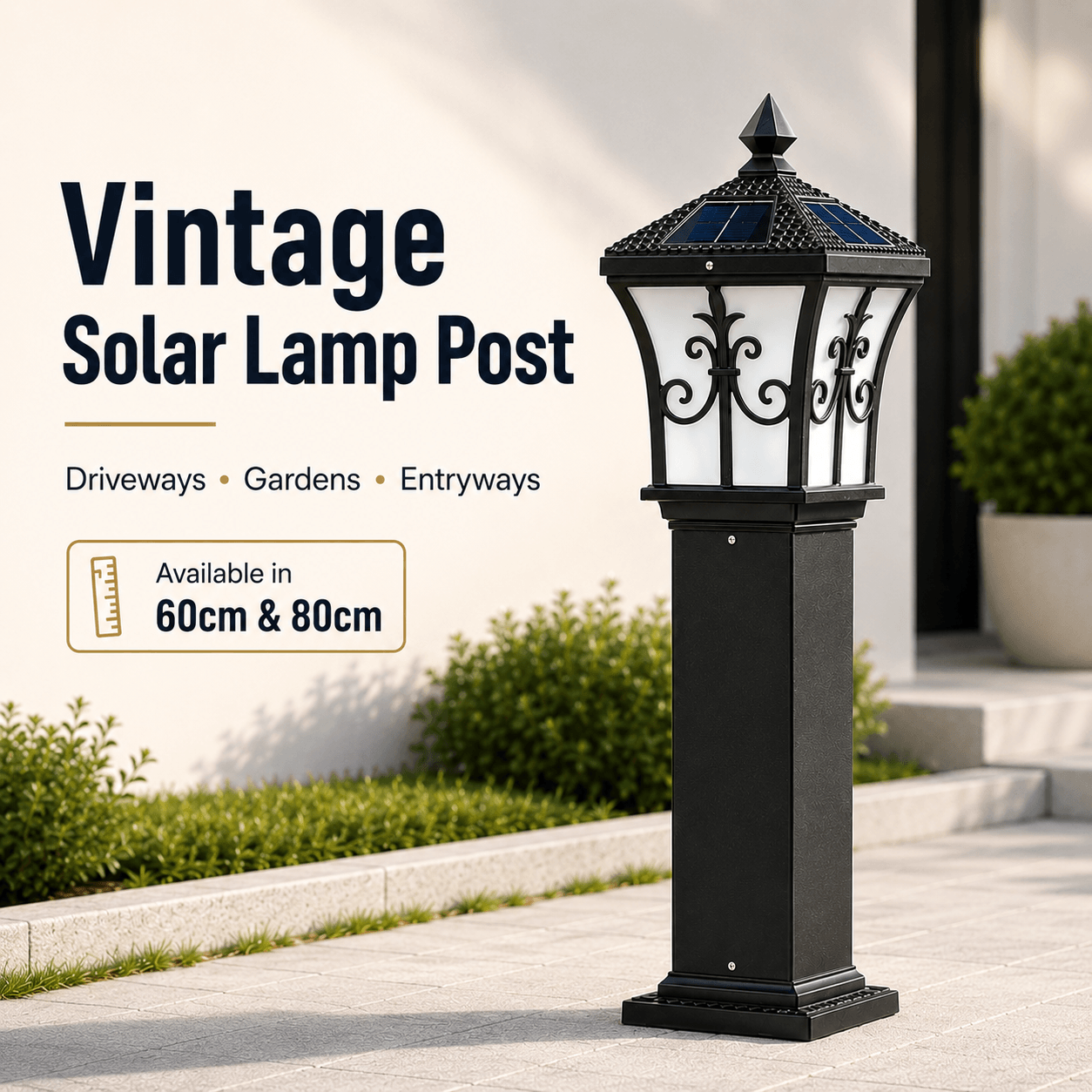
Solar post lights are installed from ground level and are better suited to gardens, lawns, pathways and driveway edges. They may also be available in different heights to suit different locations.
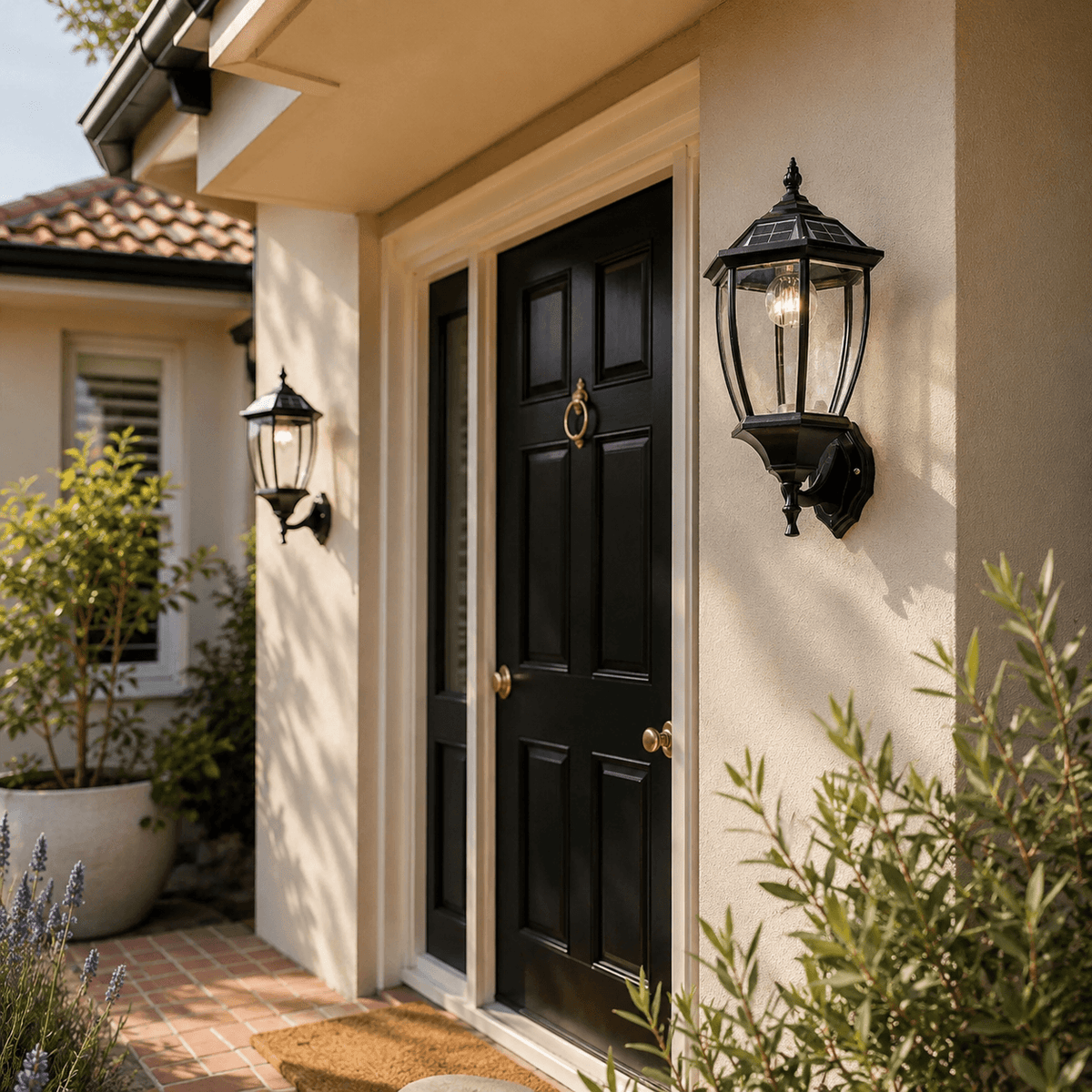
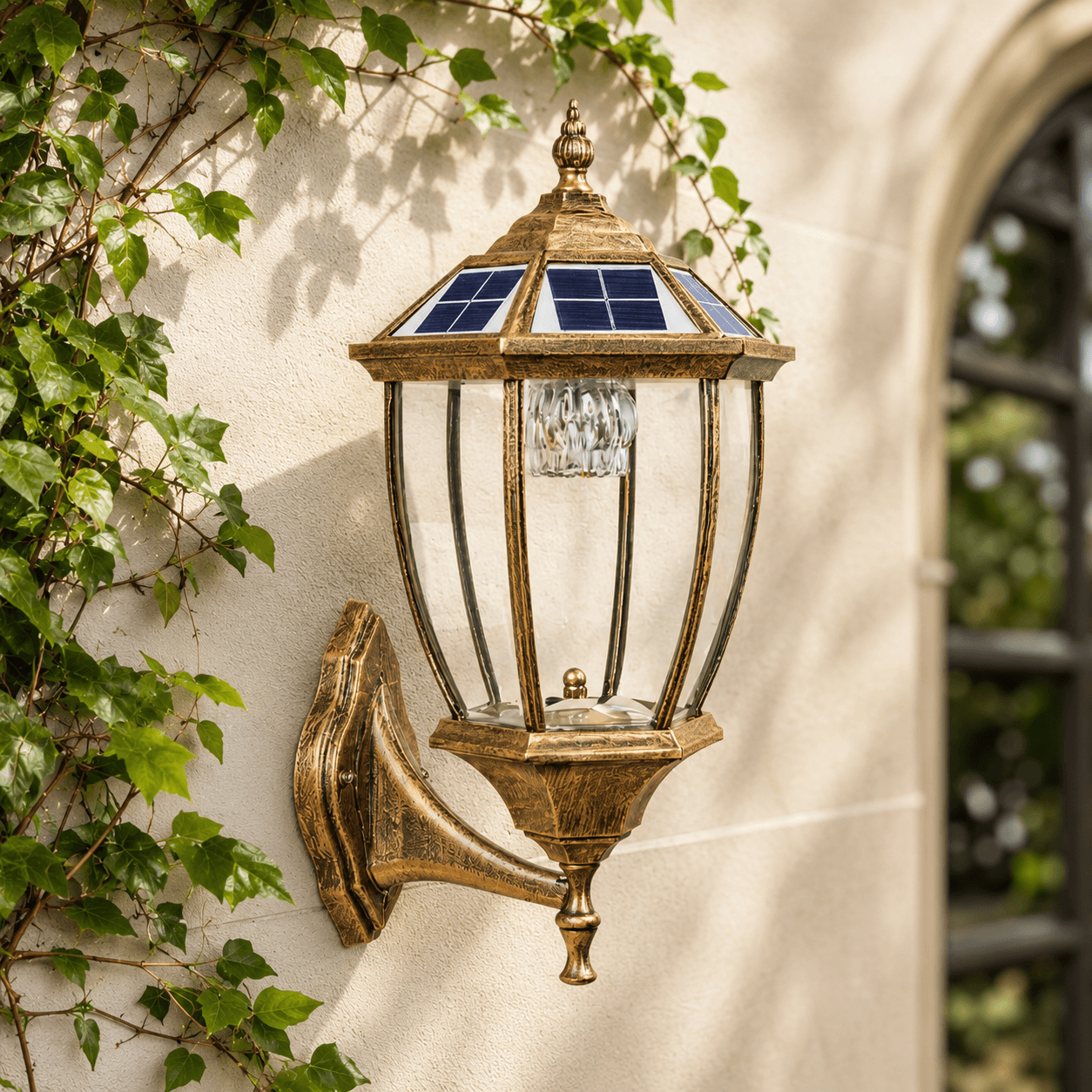
If you plan to use both types around the same property, choosing matching Victorian-style lantern heads can create a more consistent classic or heritage appearance.
Check the Construction Material
Outdoor lights in Australia are exposed to strong sunlight, heat, rain, dust and changing weather conditions.
Construction material therefore matters.
Look for products made from materials such as aluminium or die-cast aluminium rather than lightweight materials that may not feel stable outdoors.
Also check:
- The strength of the base
- Quality of the glass or transparent panels
- External coating or finish
- Overall stability of the lantern and post
This is particularly important for larger Victorian post lights, which need to remain stable once installed.
A good antique-style outdoor light should not only look traditional but also be constructed for regular outdoor use.
Look at the Solar Panel and Battery
The solar panel and battery are at the heart of any solar light.
Before buying, check the specifications rather than relying only on claims such as "high power" or "super bright".
Useful information includes:
- Solar panel size or wattage
- Battery type
- Battery capacity
- Typical charging time
- Expected operating time
- Whether the battery can be replaced
A larger battery does not automatically mean better performance if the solar panel cannot recharge it effectively.
The panel and battery should be properly matched as a complete system.
Placement also matters. Even a good solar light may perform poorly if the panel spends most of the day under heavy shade.
Understand Brightness and Intended Use
Victorian solar post and pillar lights are usually designed for decorative and ambient lighting.
They can provide useful illumination around entrances, pathways and garden areas, but they should not be expected to replace a powerful security floodlight or commercial street light.
This is an important distinction when comparing products.
For a heritage entrance or traditional garden, extremely high brightness may actually reduce the atmosphere you are trying to create.
A softer light can highlight the lantern, brickwork and landscaping while maintaining the classic Victorian character of the property.
Check Warm White, Cool White and Controls
Light colour can significantly affect the appearance of your home after dark.
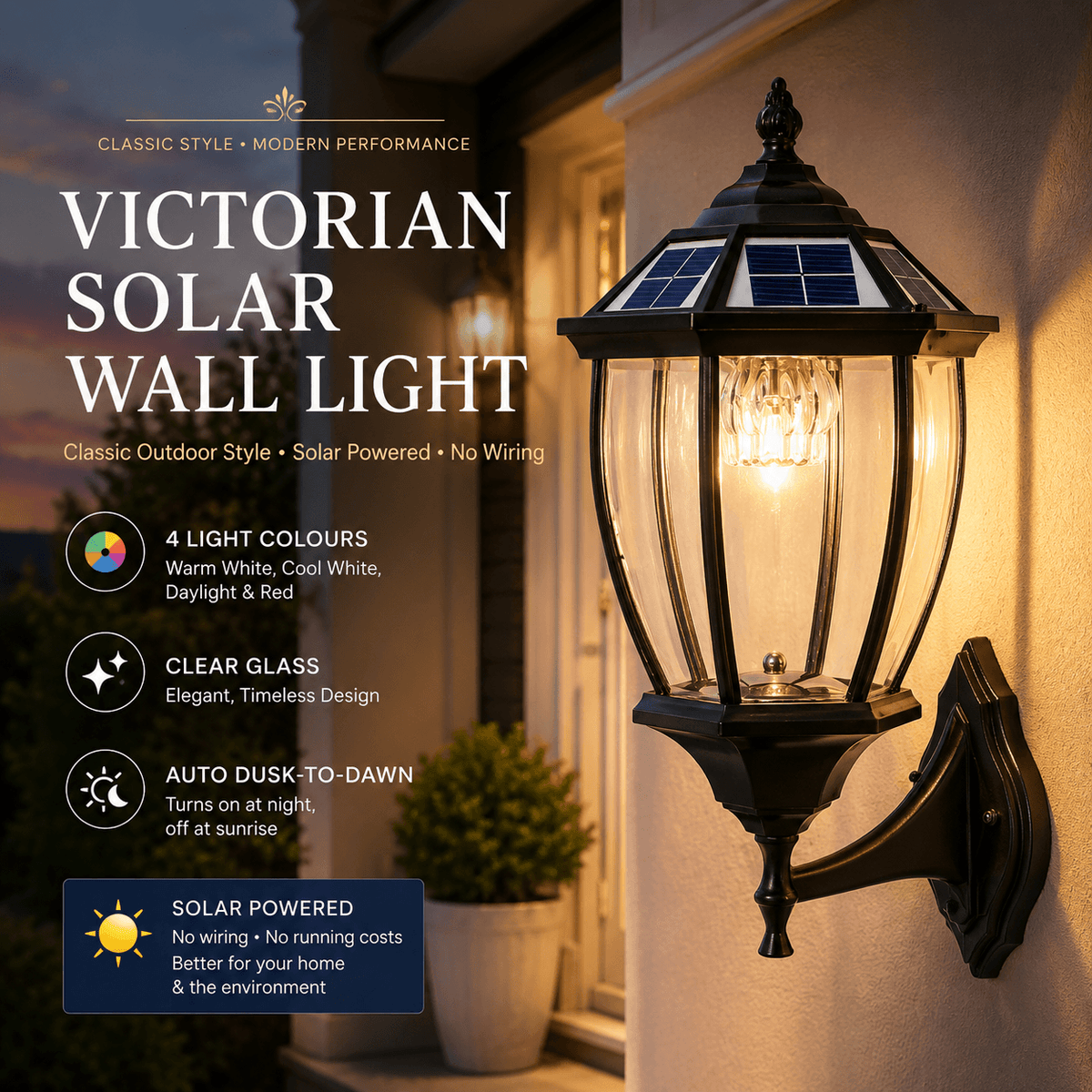
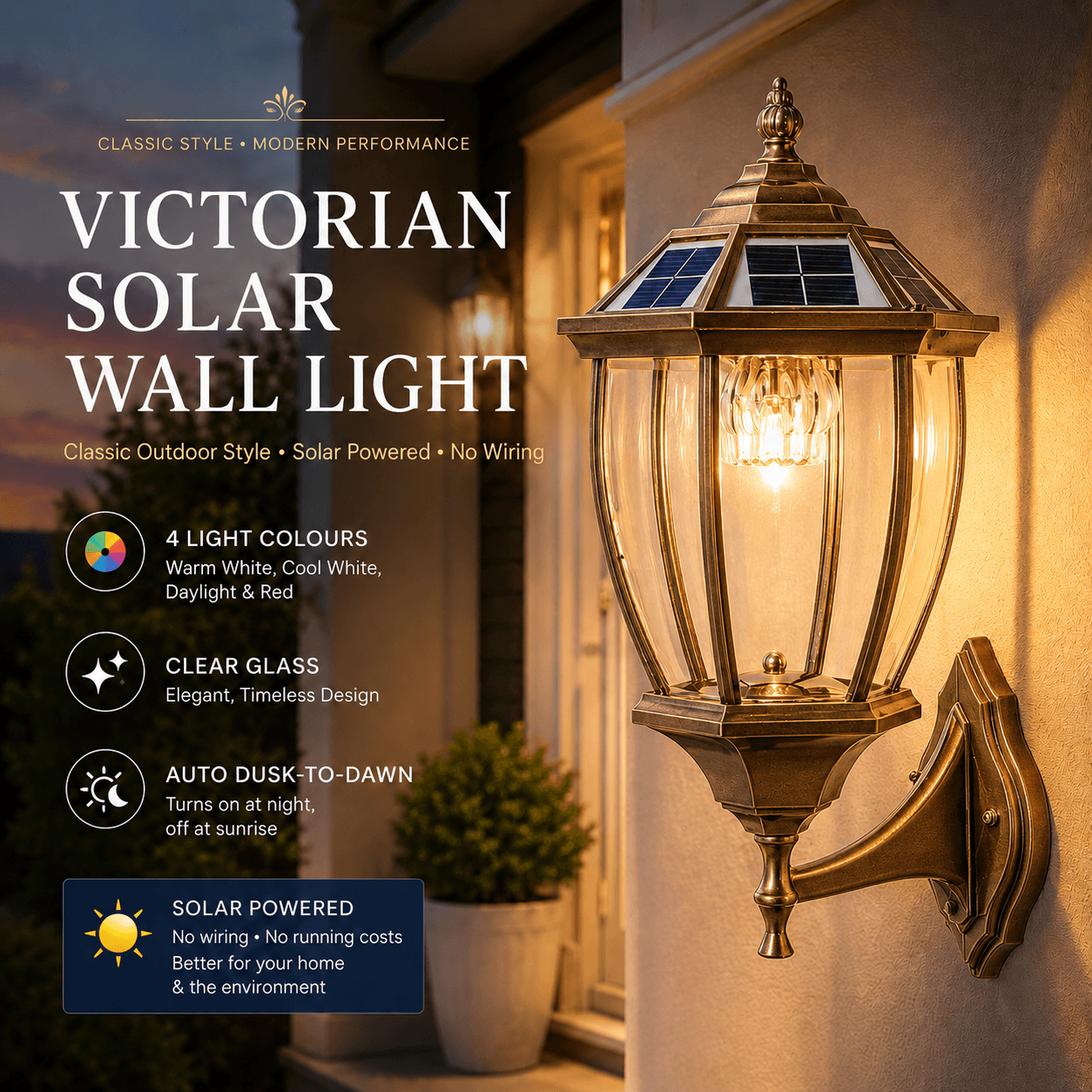
Warm white generally creates a softer and more traditional look. It works particularly well with brick, timber and heritage or antique-style settings.
Cool white provides a cleaner and slightly more contemporary appearance.
If the light offers both warm white and cool white, you have greater flexibility after installation.
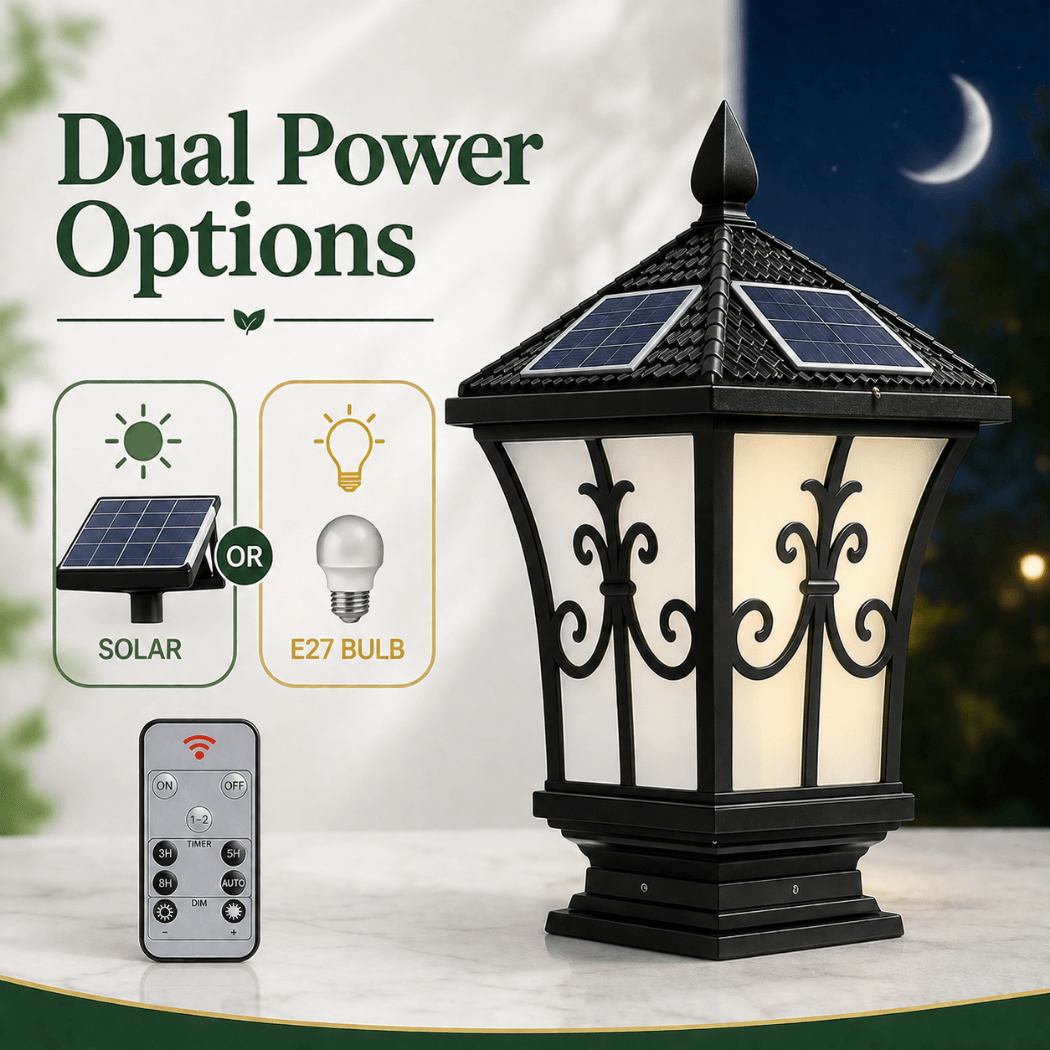
A remote control is also useful because it allows you to adjust light settings without needing to access the lantern directly.
This can be particularly convenient for taller post lights.
Check Size, Height and Proportion
Always check the dimensions before ordering.
For a pillar light, measure the top surface of the pillar and compare it with the base of the lantern. A light that is too large may overhang awkwardly, while one that is too small can look lost on a substantial brick pillar.
For post lights, consider the total height in relation to the driveway, garden and house.
A shorter post may suit a garden path, while a taller post can create a stronger feature near an entrance or driveway.
Proportion is especially important with classic and Victorian lighting, where the fixture is intended to become part of the overall exterior design.
Consider Installation Before You Buy
Check how the product will be secured before placing an order.
Pillar lights generally require a solid, reasonably level surface.
Post lights need a stable ground or concrete mounting point.
Look for information about:
- Base dimensions
- Included fixing hardware
- Assembly requirements
- How different post sections connect
- Whether any specialist tools are required
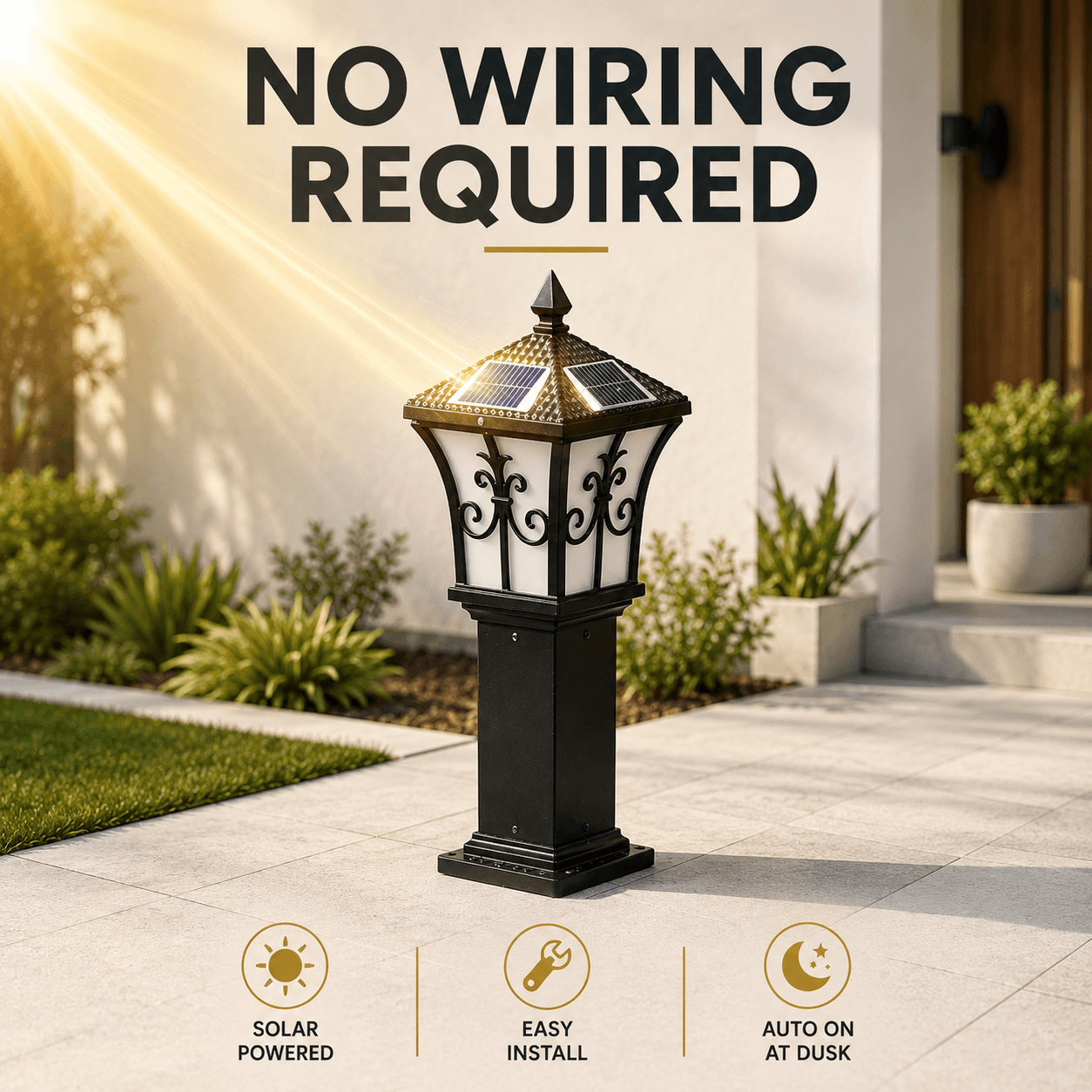
One of the main advantages of solar lighting is that it usually avoids underground electrical wiring, which can make installation simpler and reduce disruption around established gardens and driveways.
Check Weather Resistance, Warranty and Support
Outdoor lighting should be designed to cope with Australian conditions.
Check the product's weather-resistance rating, such as its IP rating, and read what the warranty actually covers.
It is also worth considering:
- Availability of replacement batteries
- Spare parts
- Installation instructions
- Local customer support
- Warranty process
These factors may not seem important when comparing prices, but they can make a significant difference if you need assistance after installation.
Buy for Quality, Style and Suitability
The best Victorian solar post or pillar light is not simply the cheapest product or the most decorative lantern.
A good choice should combine classic, heritage or antique-style design with suitable construction, a well-matched solar panel and battery, appropriate brightness, correct dimensions and reliable outdoor performance.
By checking these details before you buy, you can choose a light that not only complements your Australian home but also suits the location and performs as expected over time.