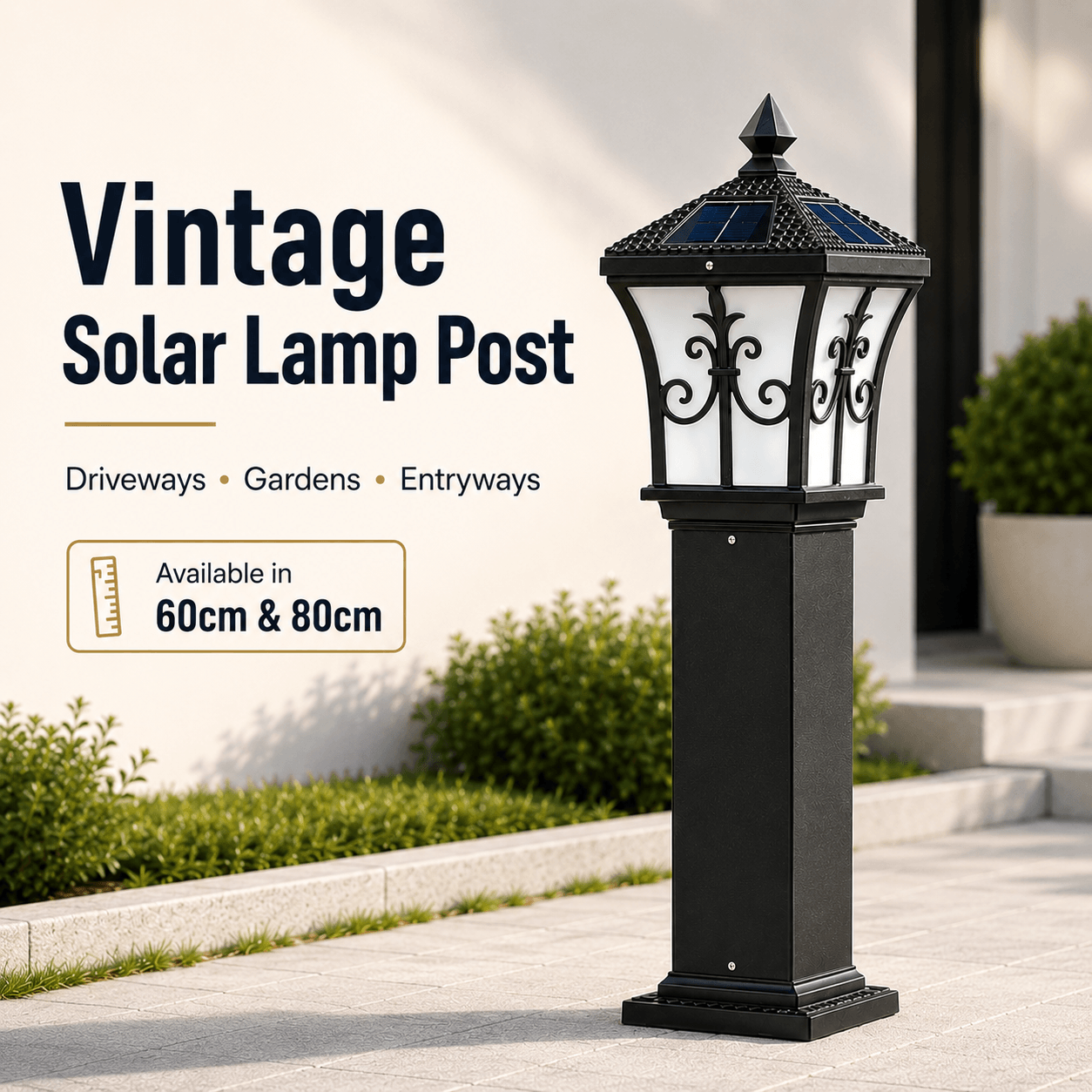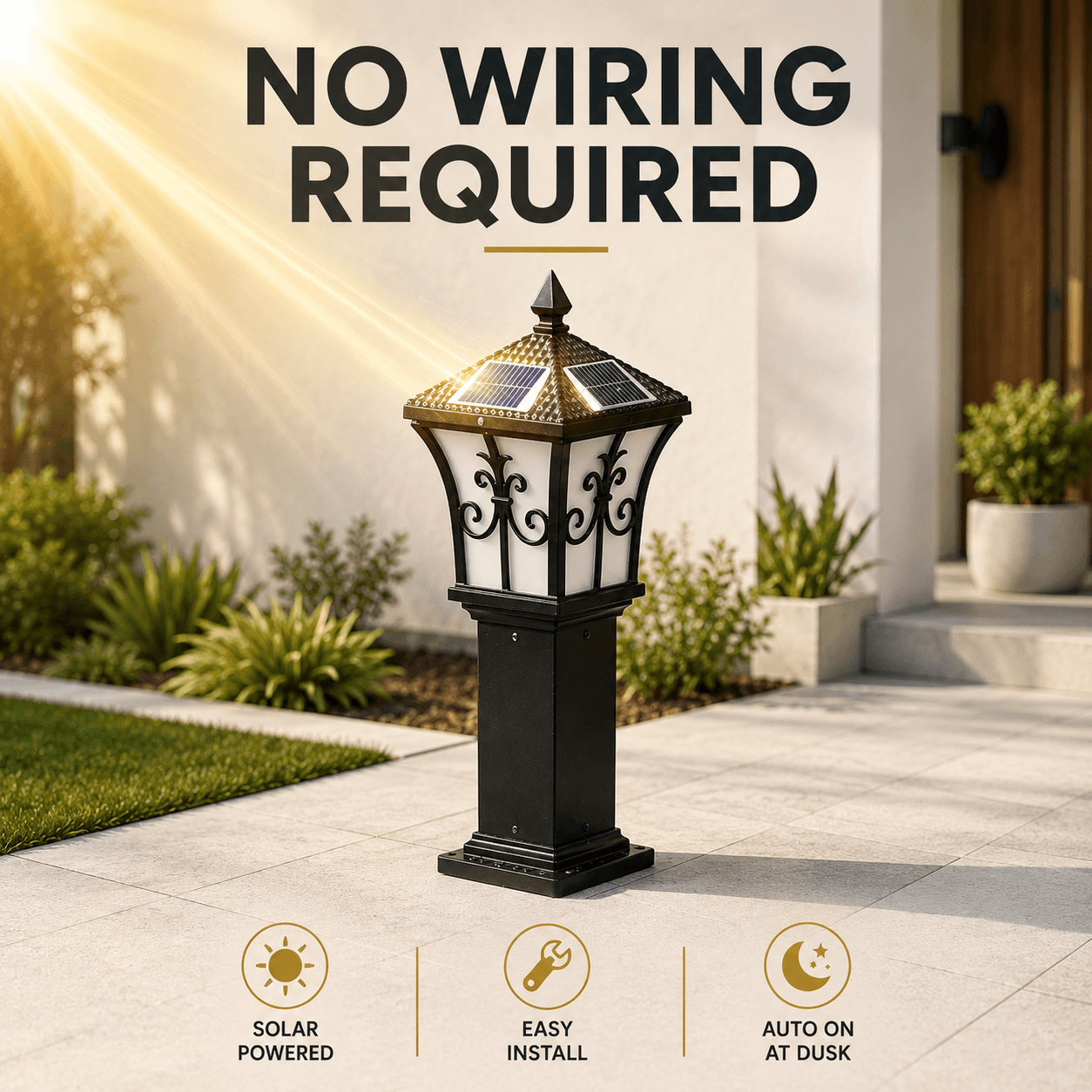

Best Places to Install Victorian Solar Post and Pillar Lights
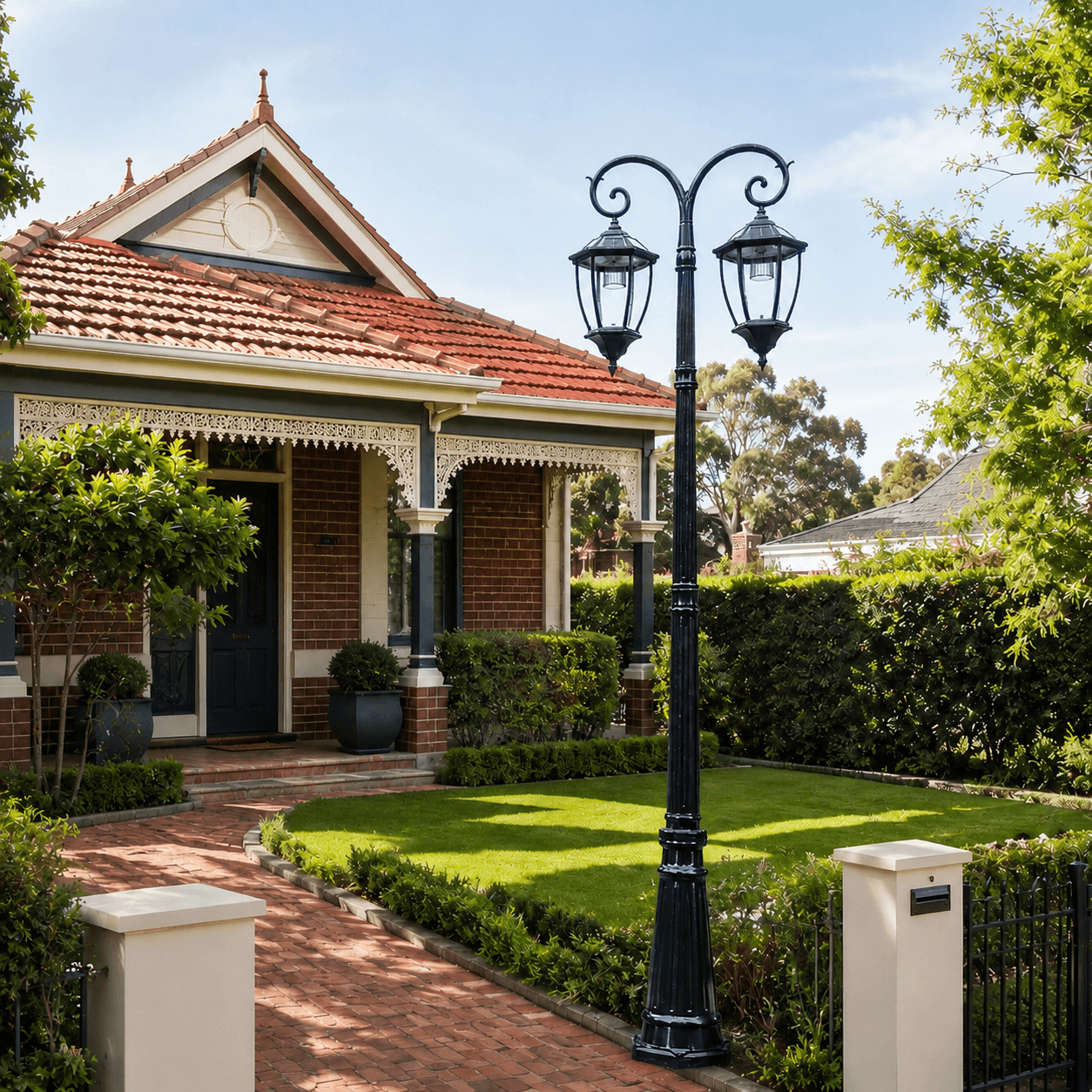
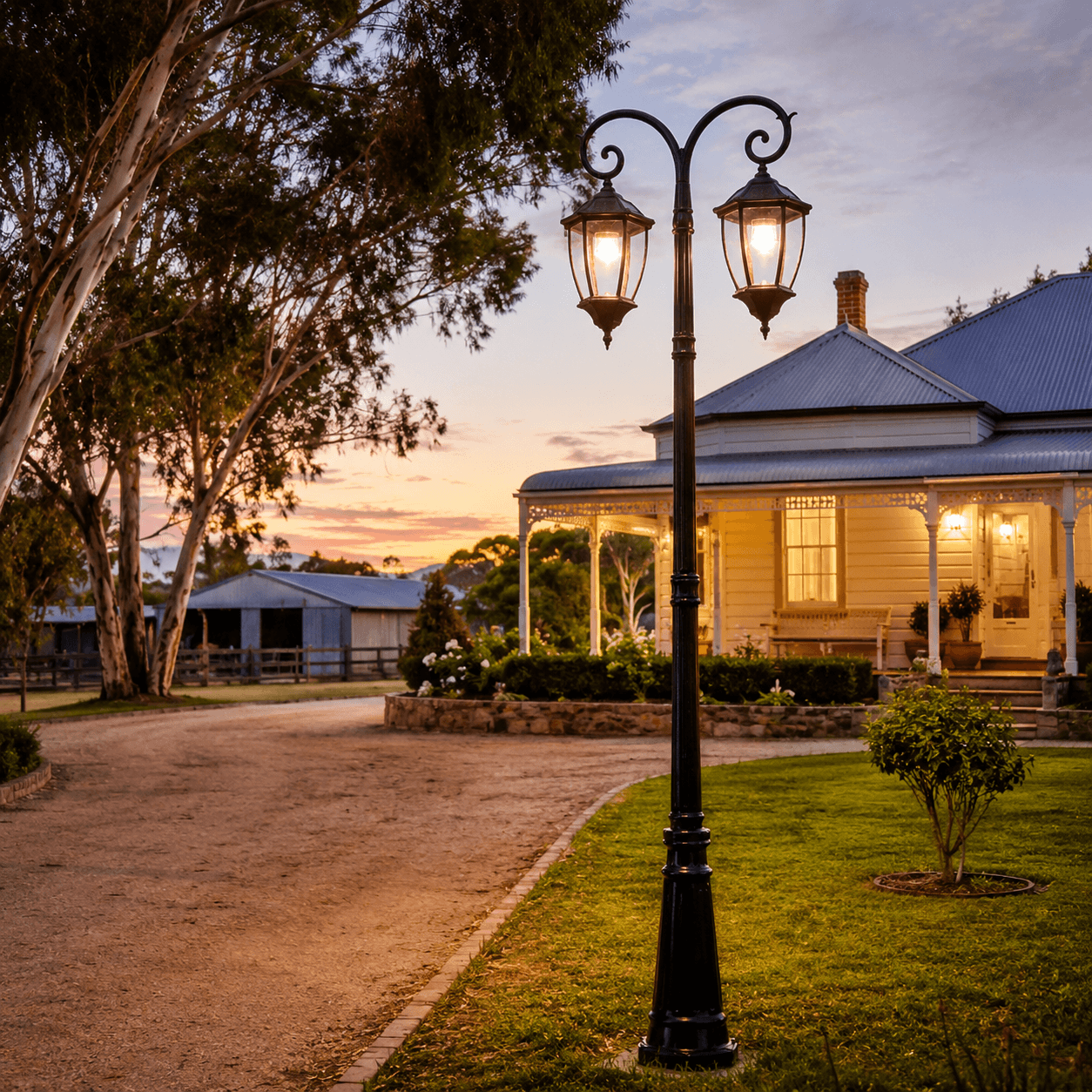
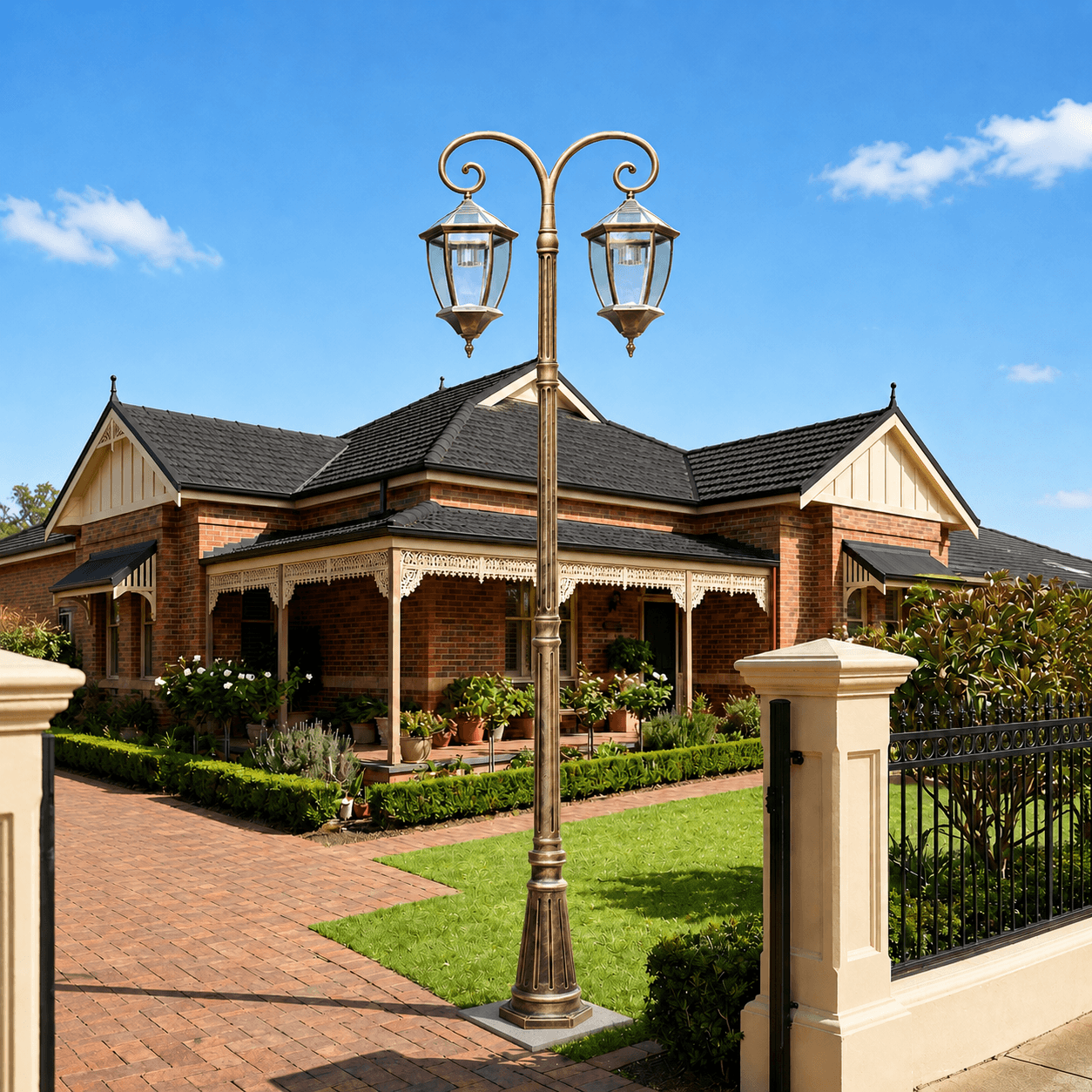
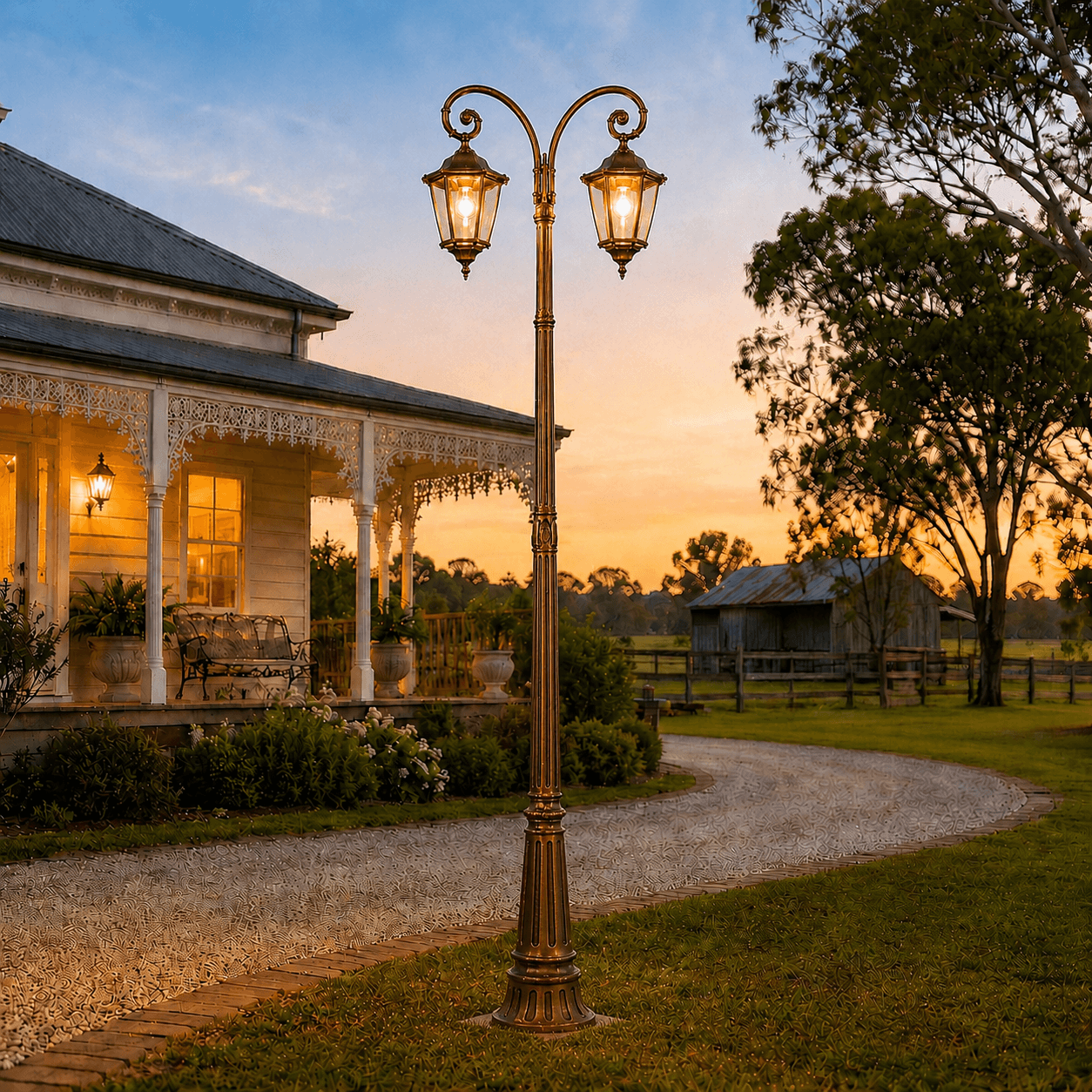
Victorian solar post and pillar lights can add a traditional, elegant character to an Australian home while providing soft ambient lighting around entrances, driveways, gardens and outdoor areas. Their classic appearance works particularly well with Victorian, Federation, heritage and other traditionally styled homes, but they can also create an attractive contrast with more modern properties.
Choosing the right installation location is important for two reasons. First, the light needs enough direct sunlight during the day to charge properly. Second, the position should complement the proportions and design of the property. Because post lights and pillar lights are installed differently, their best locations are also different.
Best Places to Install Victorian Solar Post Lights
1. Along Garden Paths and Walkways
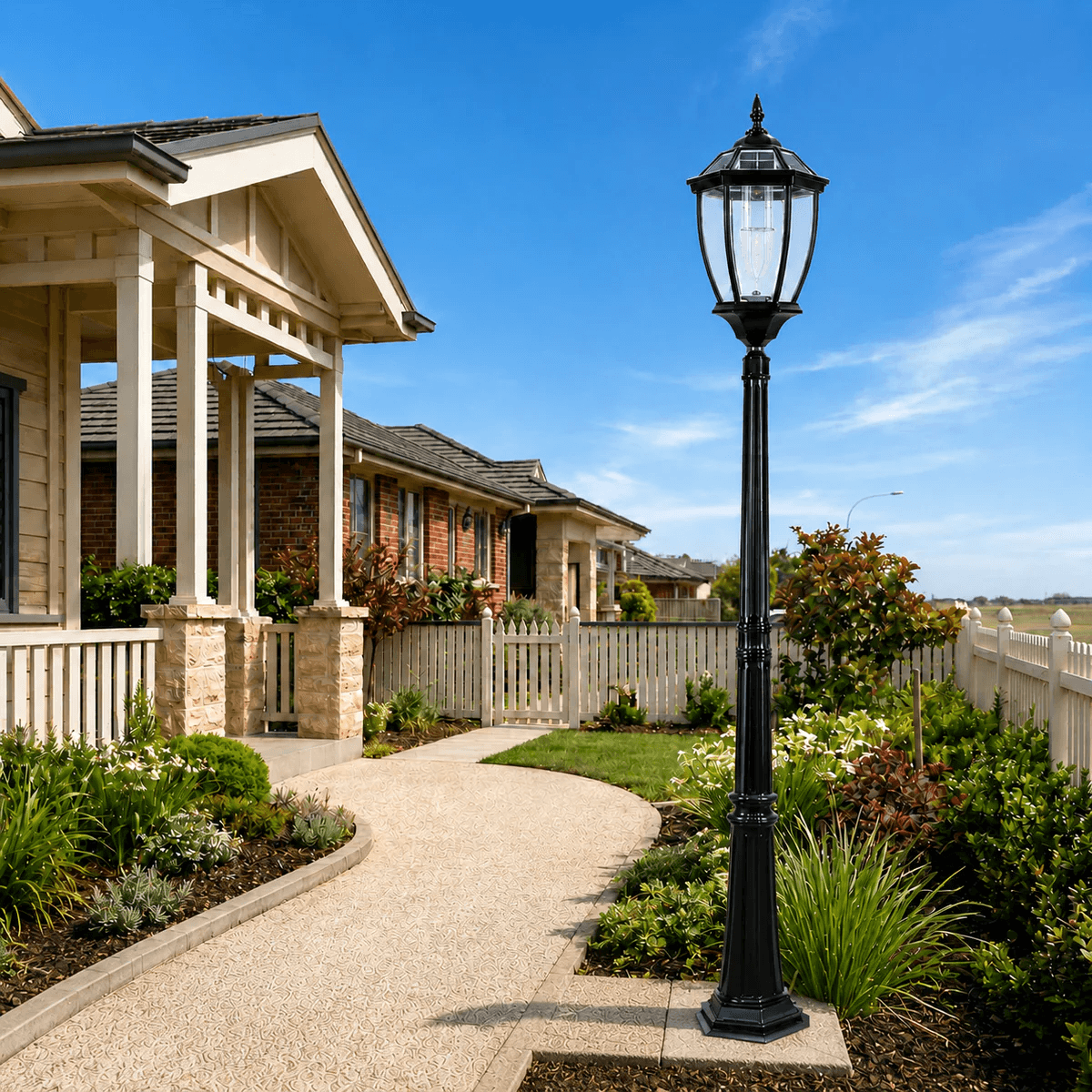
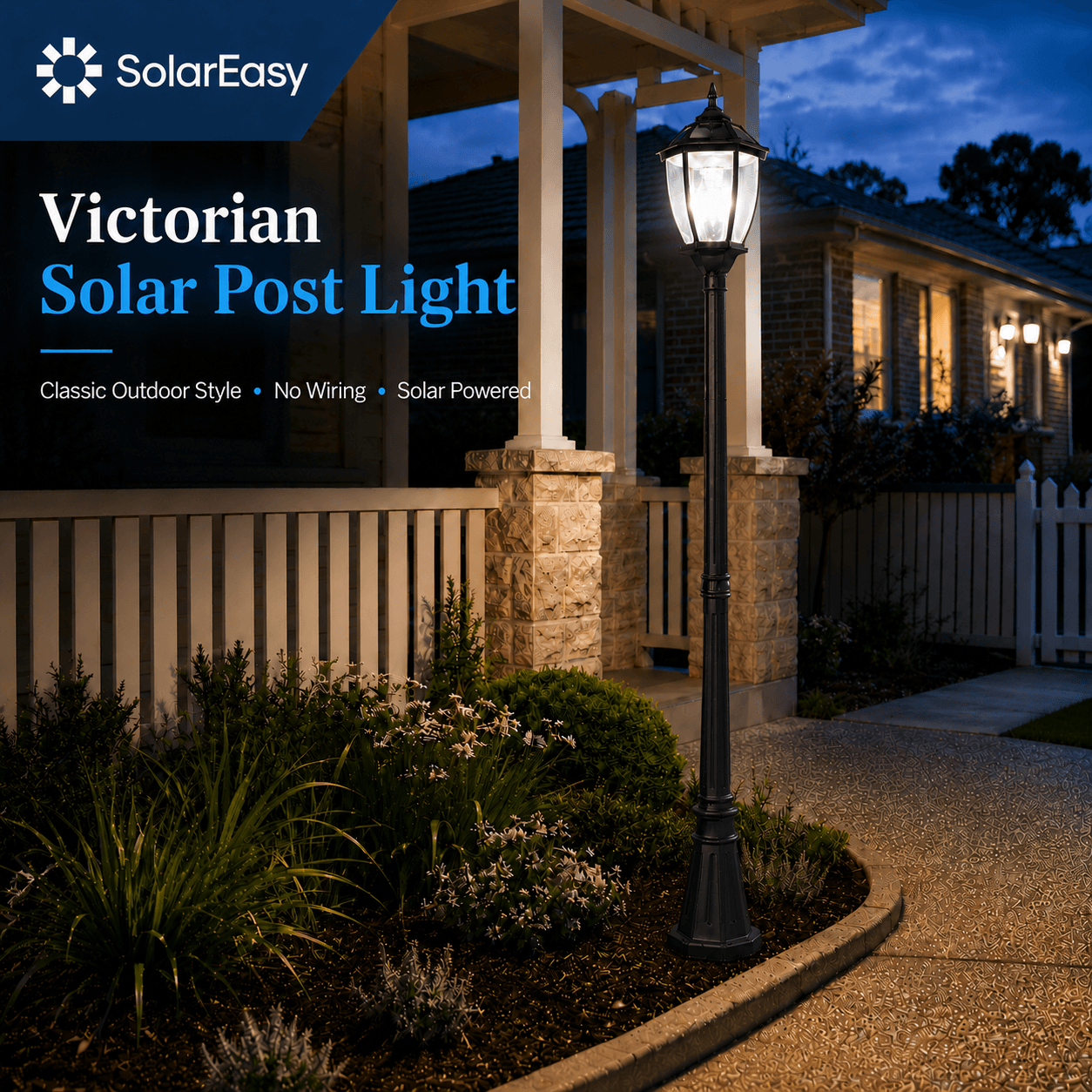
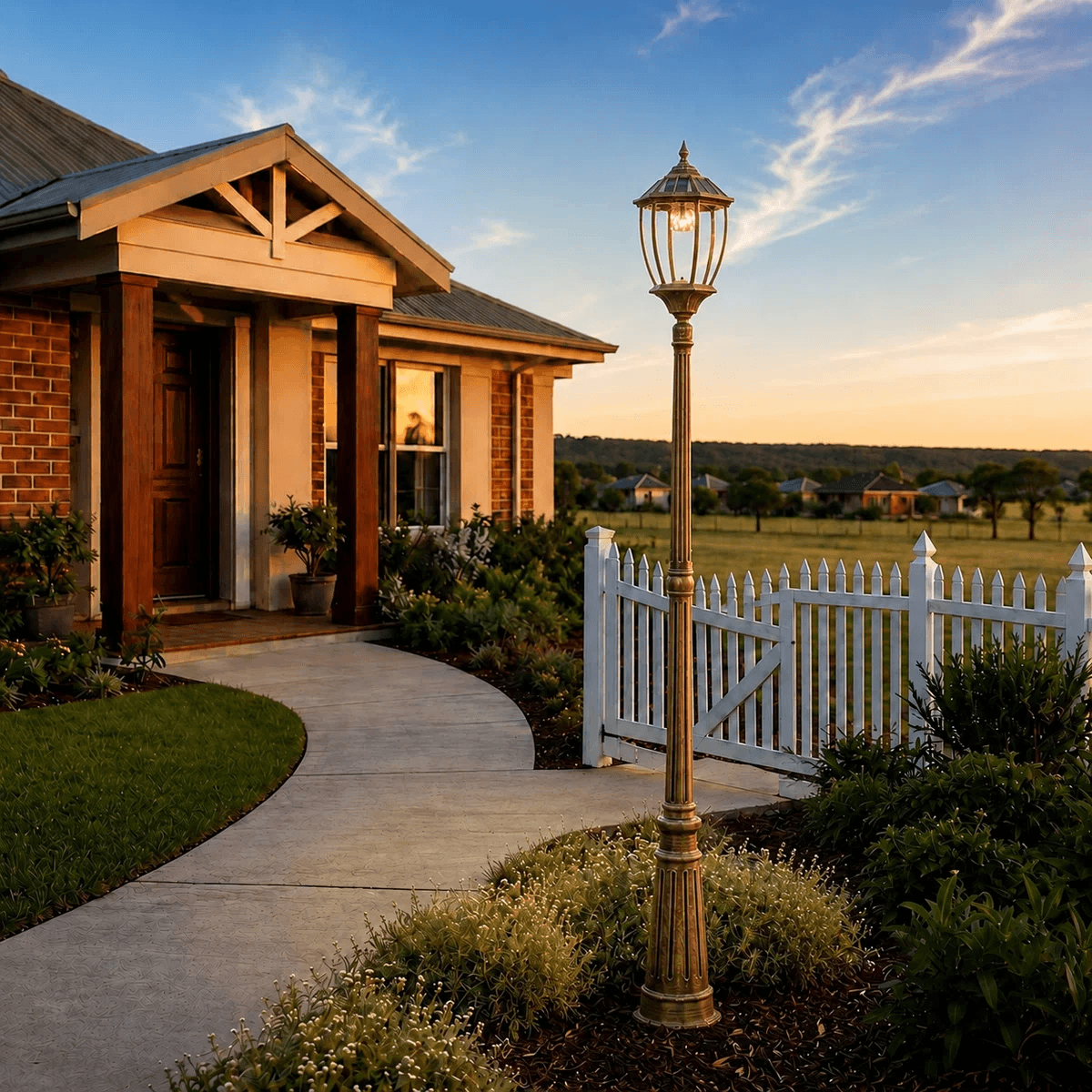
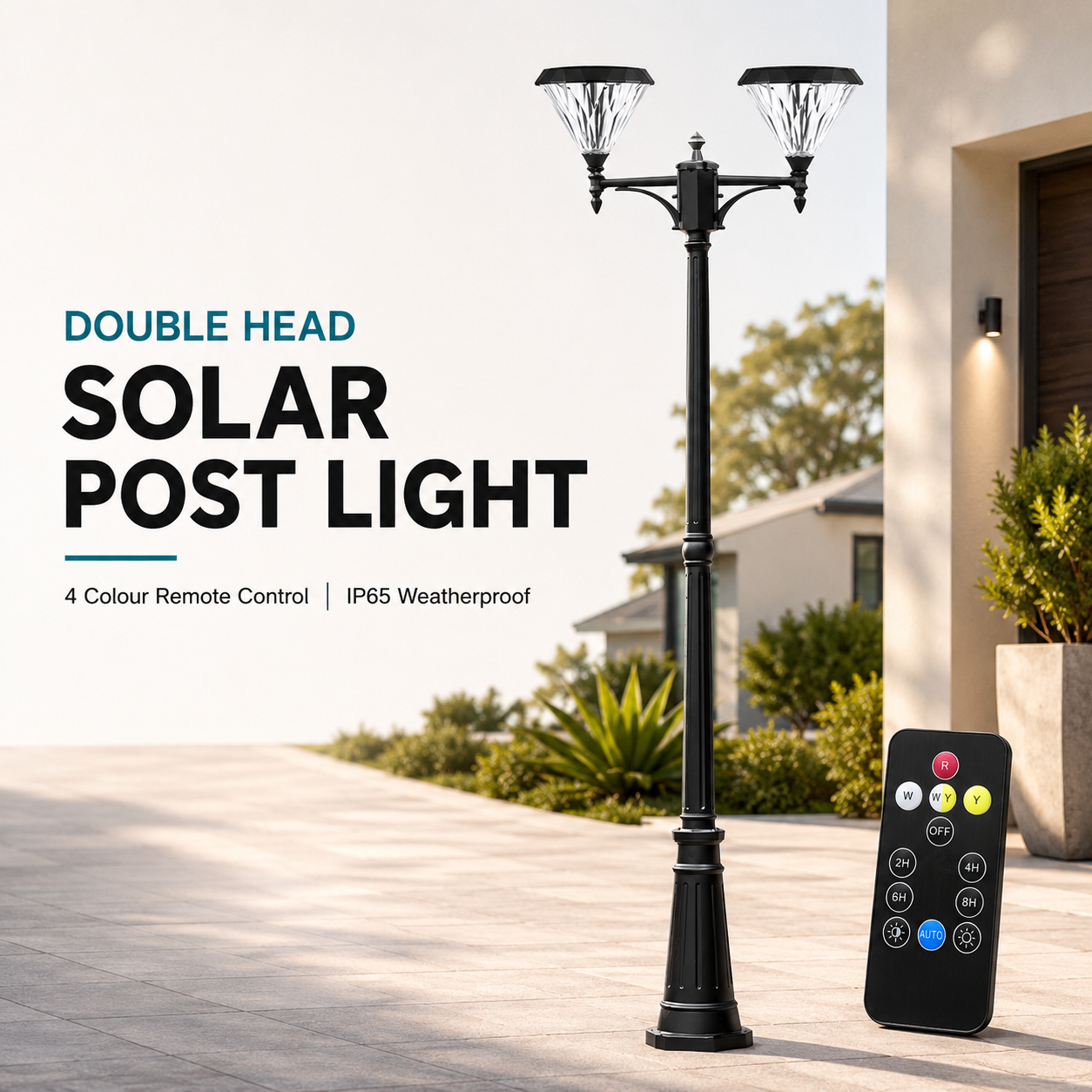
Garden paths are one of the most natural locations for Victorian solar post lights. Installing them beside a walkway can help visually define the path after dark while creating a welcoming atmosphere through the garden.
For a traditional appearance, the lights can be spaced evenly along one or both sides of the path. They are particularly suitable for larger front gardens, side passages and landscaped backyards where a taller decorative light can become part of the garden design.
The main consideration is sunlight. Avoid placing the lights directly underneath dense trees or beside high walls that may block the solar panel for most of the day.
2. Along Driveways
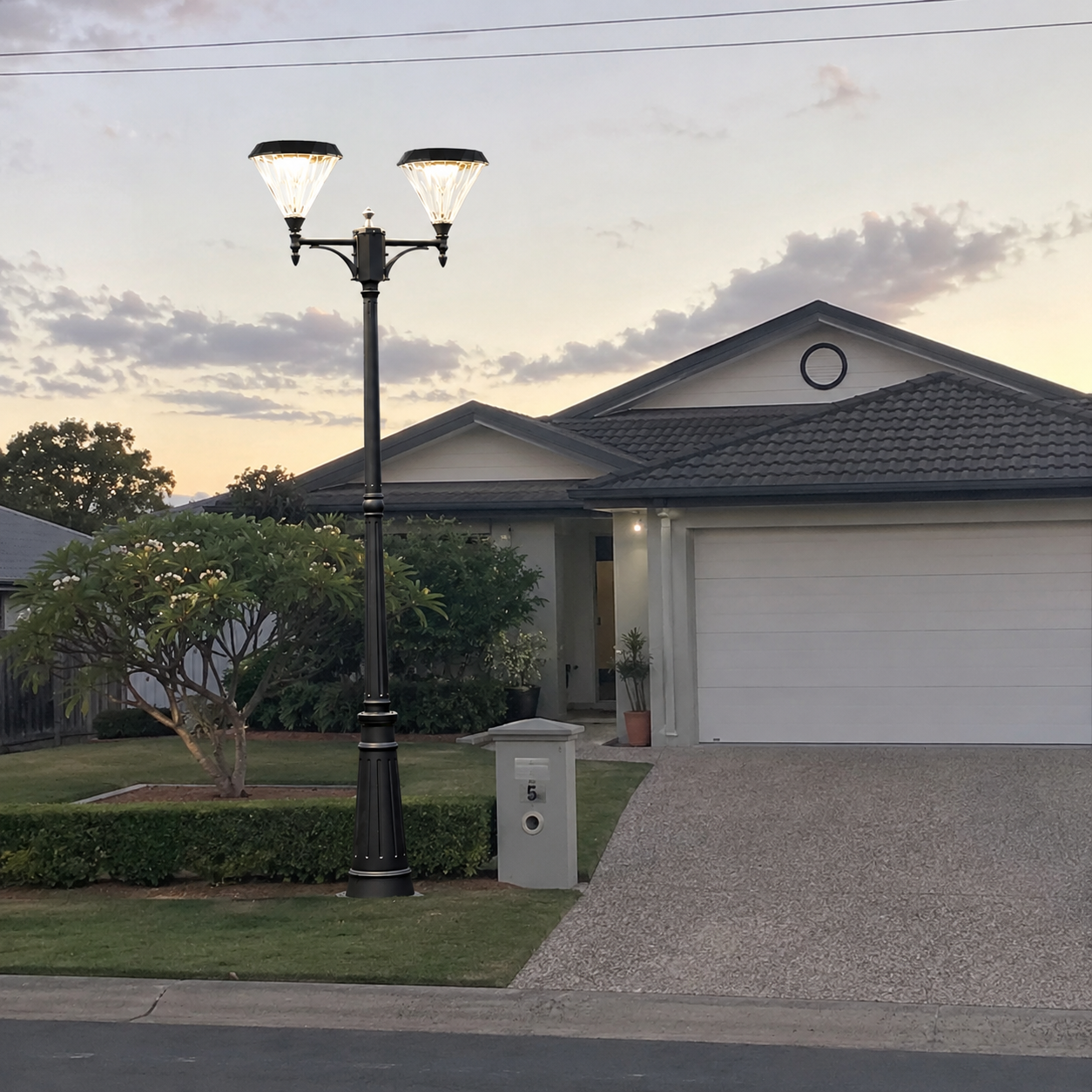
Victorian solar post lights can work very well along residential driveways, particularly on larger suburban blocks, acreage properties or homes with a longer approach from the street.
Rather than trying to create very bright illumination, the lights can be used to define the edges of the driveway and add visual structure to the entrance after sunset. Evenly spaced post lights can also create an attractive sense of symmetry.
When positioning them, leave enough clearance for vehicles and make sure the lights are not installed where reversing cars, trailers or garden equipment may easily hit them.
3. Near the Front Entrance
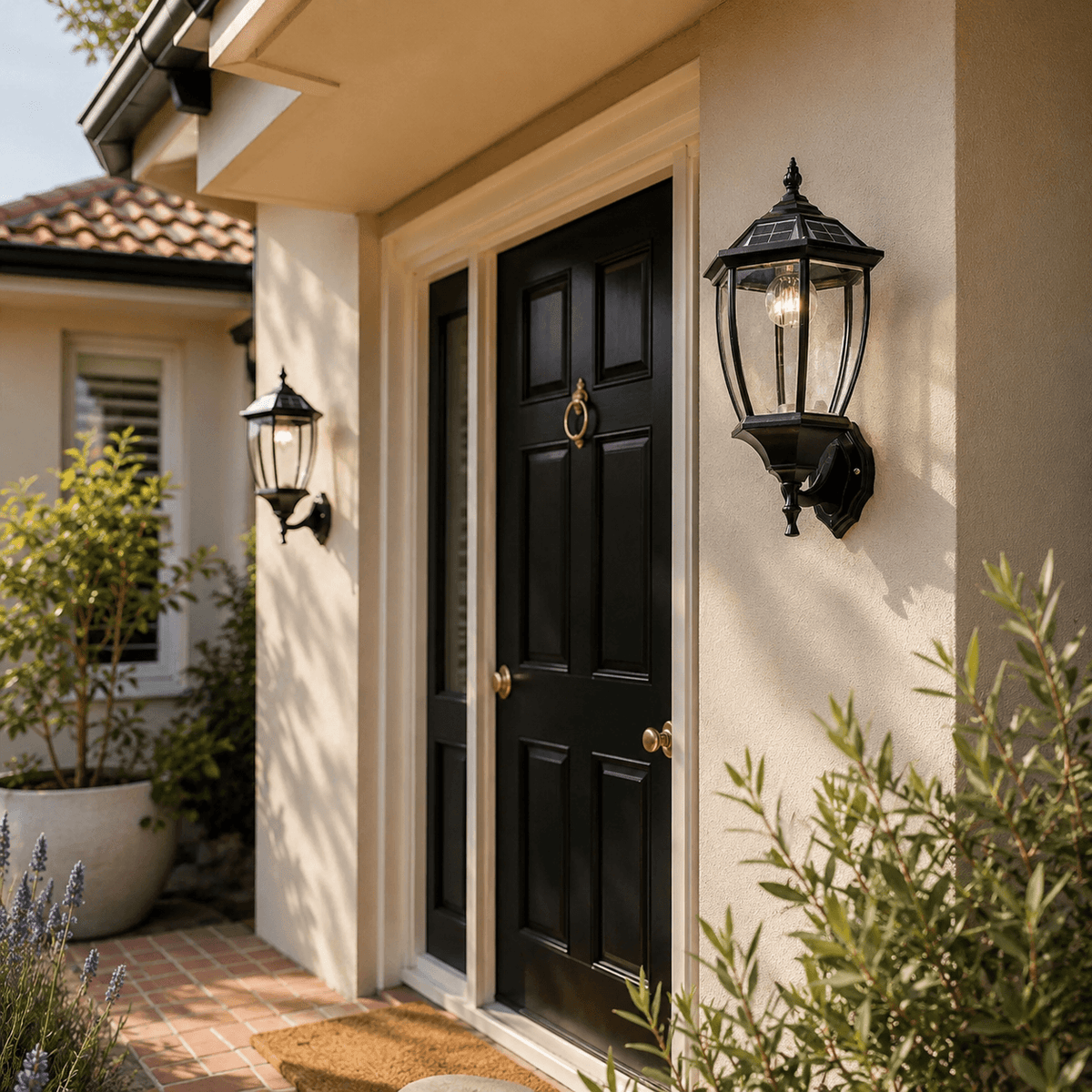
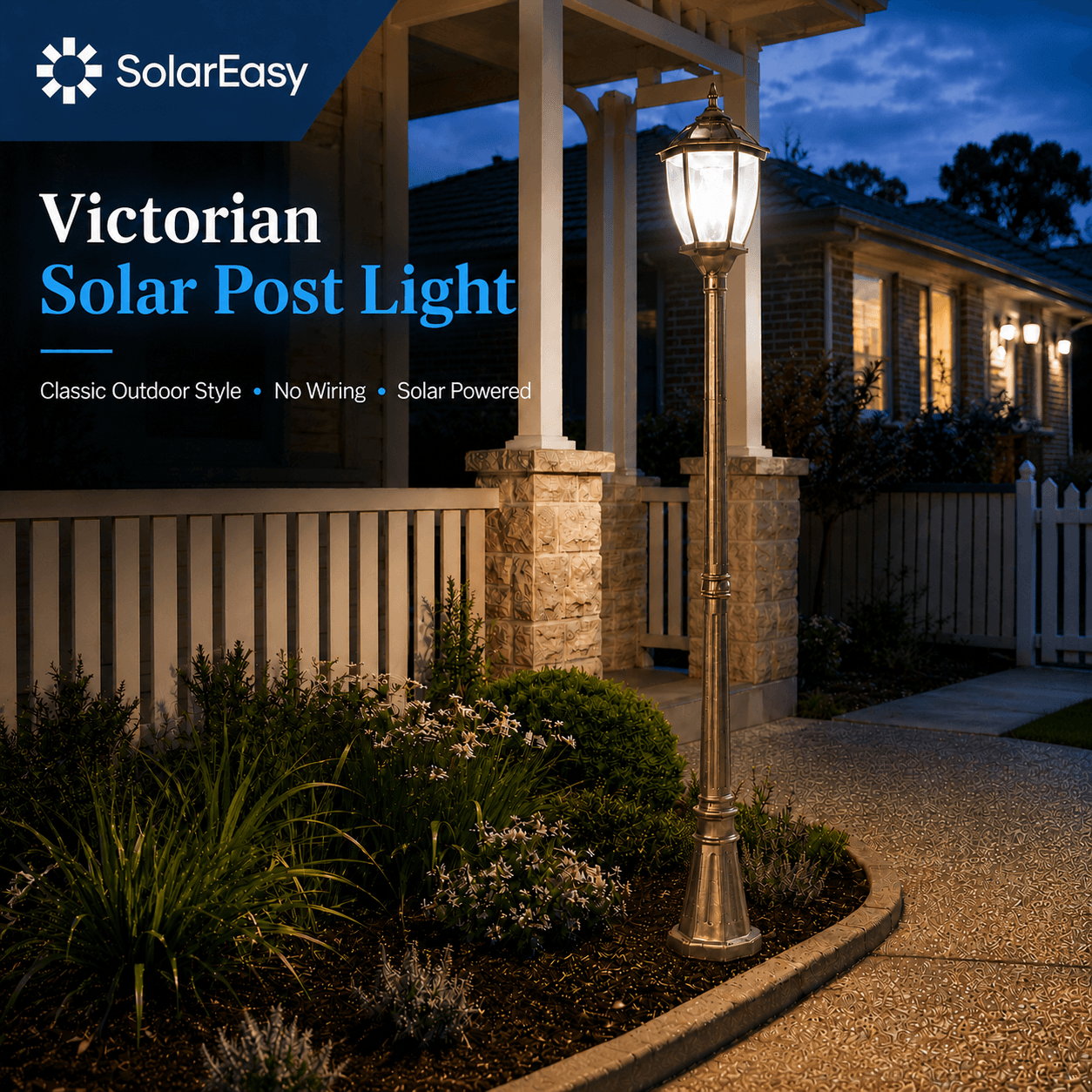
A pair of solar post lights positioned near the approach to the front door can create a strong first impression.
They can be placed beside a pathway, near front steps or around the transition between the driveway and entrance garden. This is especially effective for Victorian, Federation, classical and heritage-inspired Australian homes because the traditional lantern shape can complement existing architectural details.
The lights should remain decorative rather than overpowering. Their purpose is to create ambience and help visually guide visitors toward the entrance.
4. Around Garden Features and Landscaping
Post lights can also be used as part of the landscaping itself.
Suitable locations may include beside flower beds, around formal gardens, near a fountain, beside feature plants or around a garden seating area. In these positions, the light becomes a decorative feature during both the day and night.
For the best result, avoid placing too many lights close together. Victorian-style lighting generally looks more elegant when there is enough space around each fitting for its shape and proportions to be appreciated.
5. Around Patios, Courtyards and Outdoor Entertaining Areas
Solar post lights can add gentle evening lighting around patios, courtyards, pergolas and outdoor seating areas.
They are usually best positioned around the perimeter rather than directly in the middle of an entertaining space. This allows them to contribute to the atmosphere without becoming visually intrusive.
Warm white lighting can work particularly well in these areas because it creates a softer and more traditional appearance.
6. Along Front Gardens and Property Boundaries
For wider properties, post lights can also be placed along front gardens, beside fences or near selected points along a property boundary.
Used carefully, they can create a repeated classical design element across the frontage of the home. However, spacing is important. Installing too many lights can make the area look cluttered rather than elegant.
Best Places to Install Victorian Solar Pillar Lights
1. On Driveway Entrance Pillars
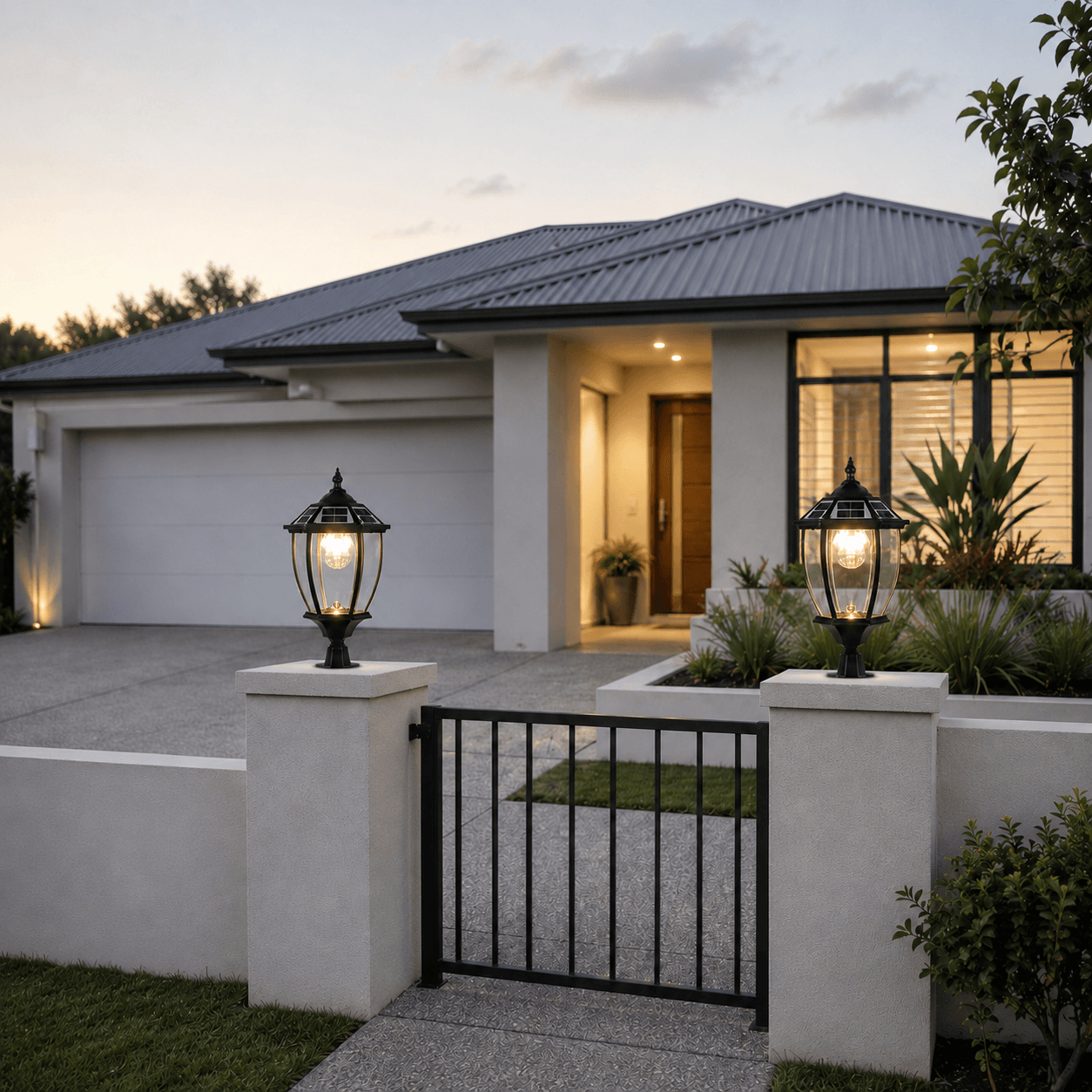
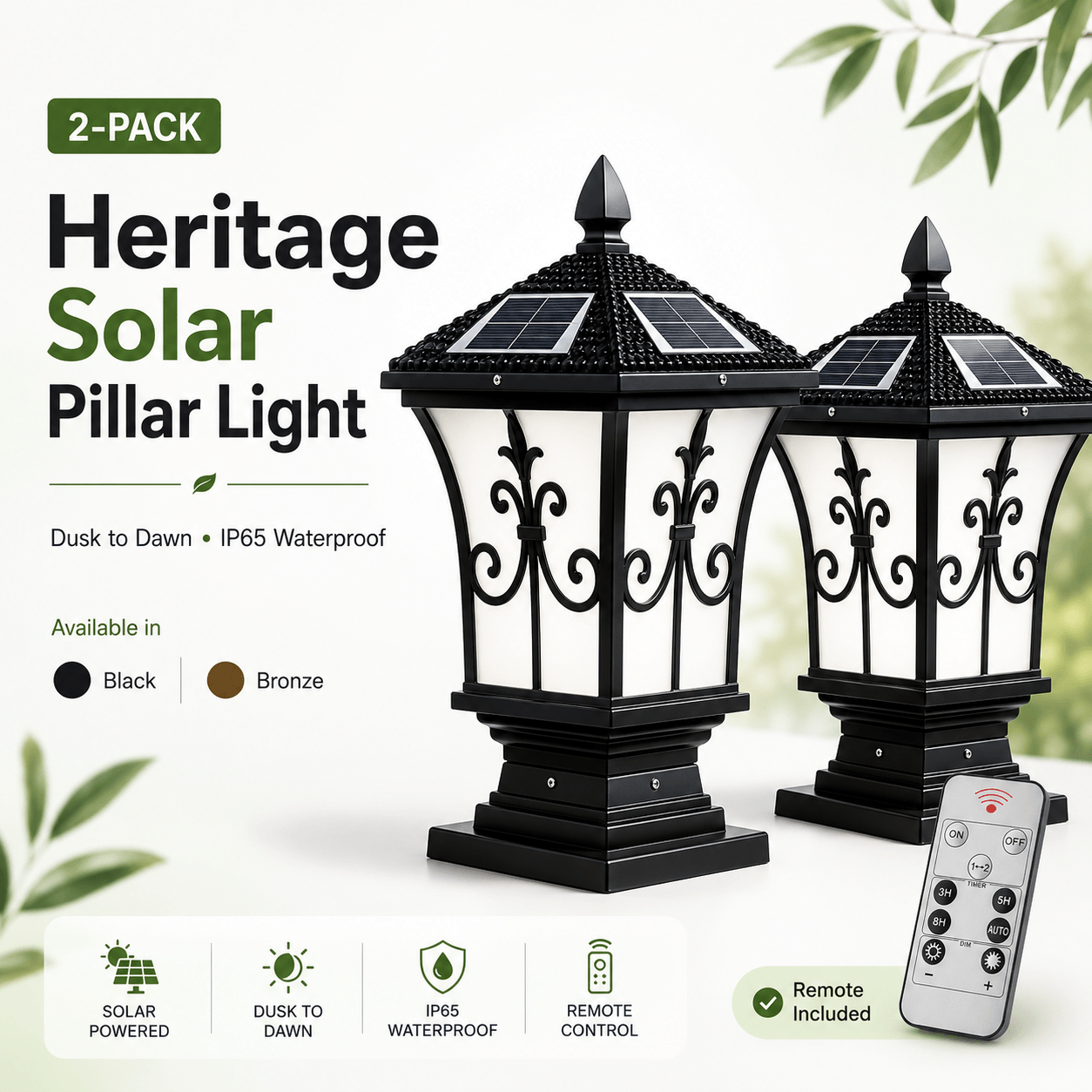
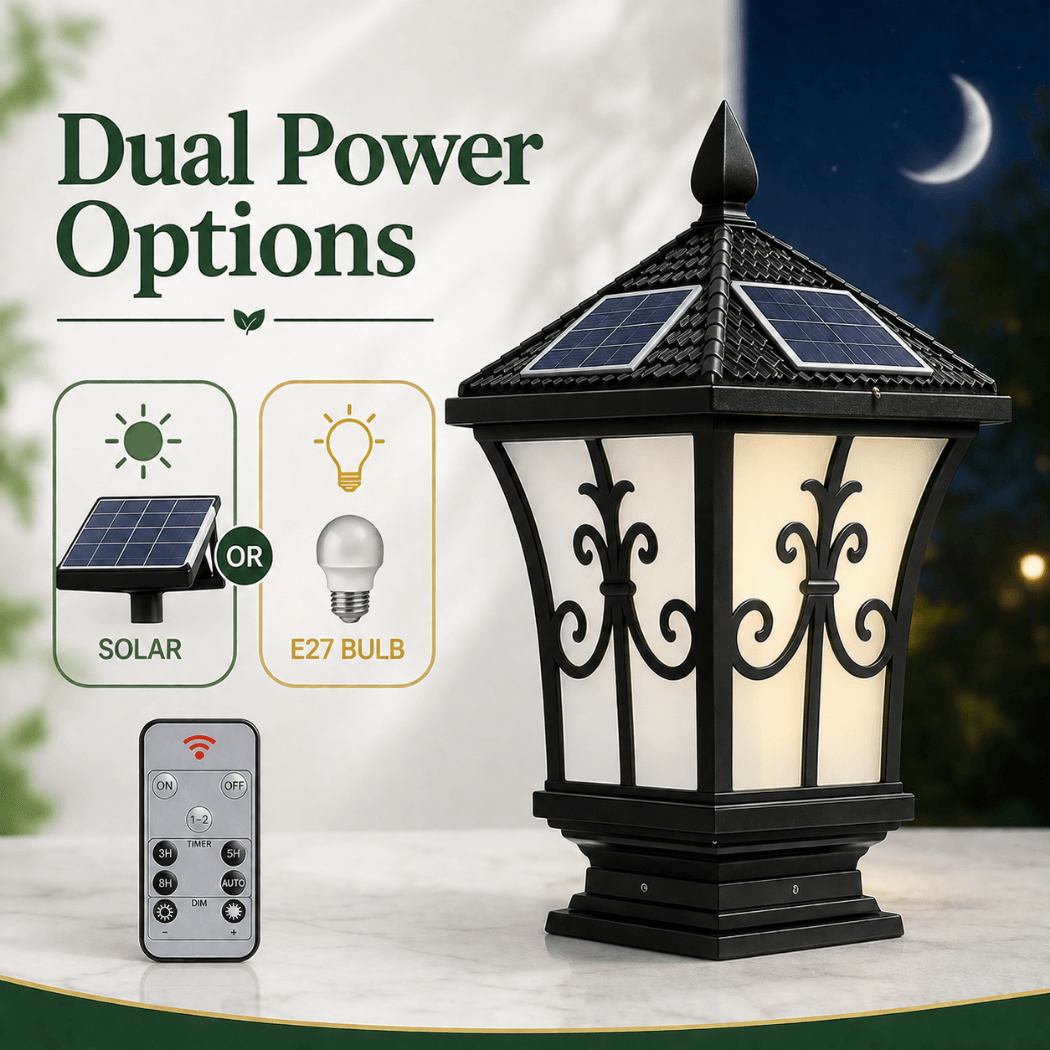
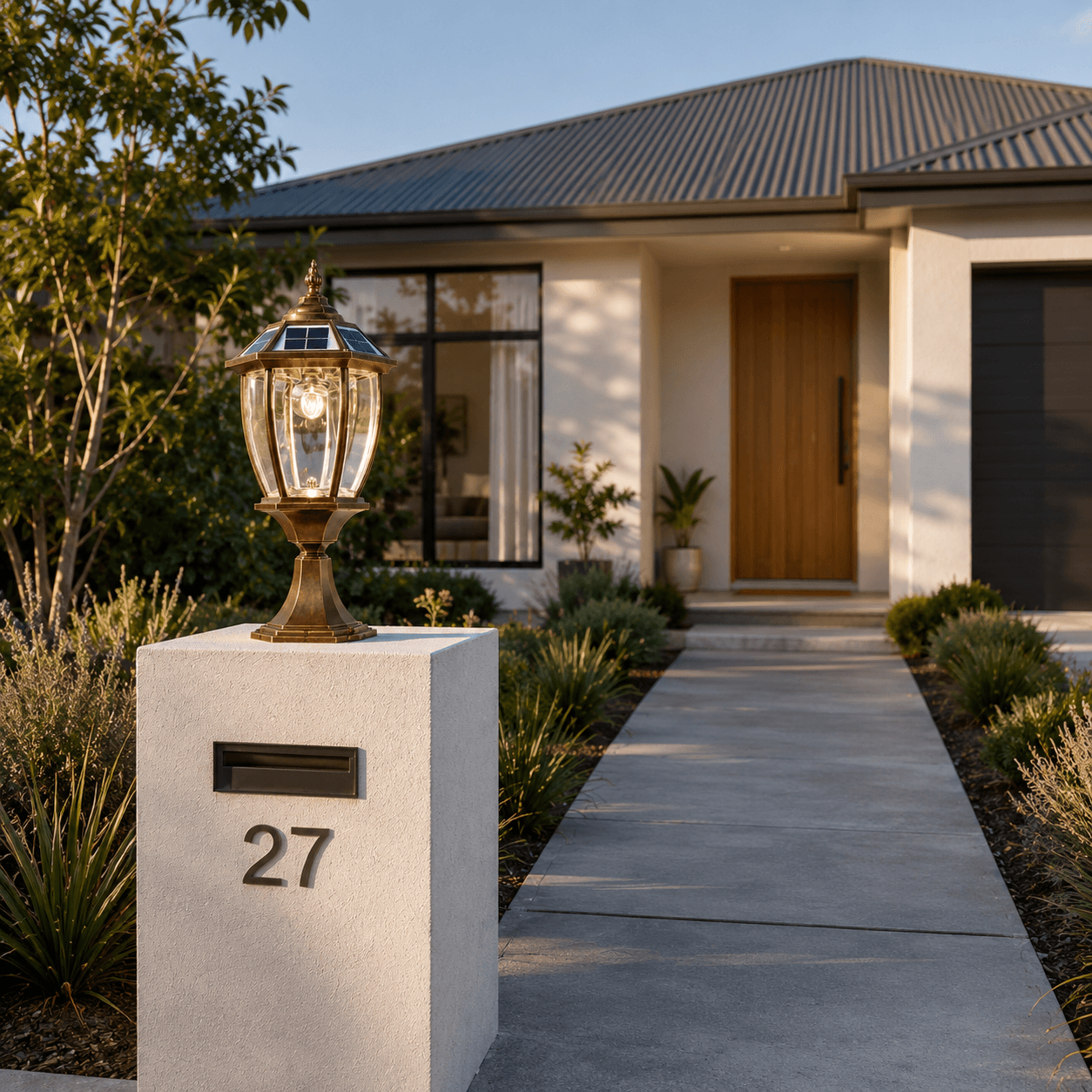
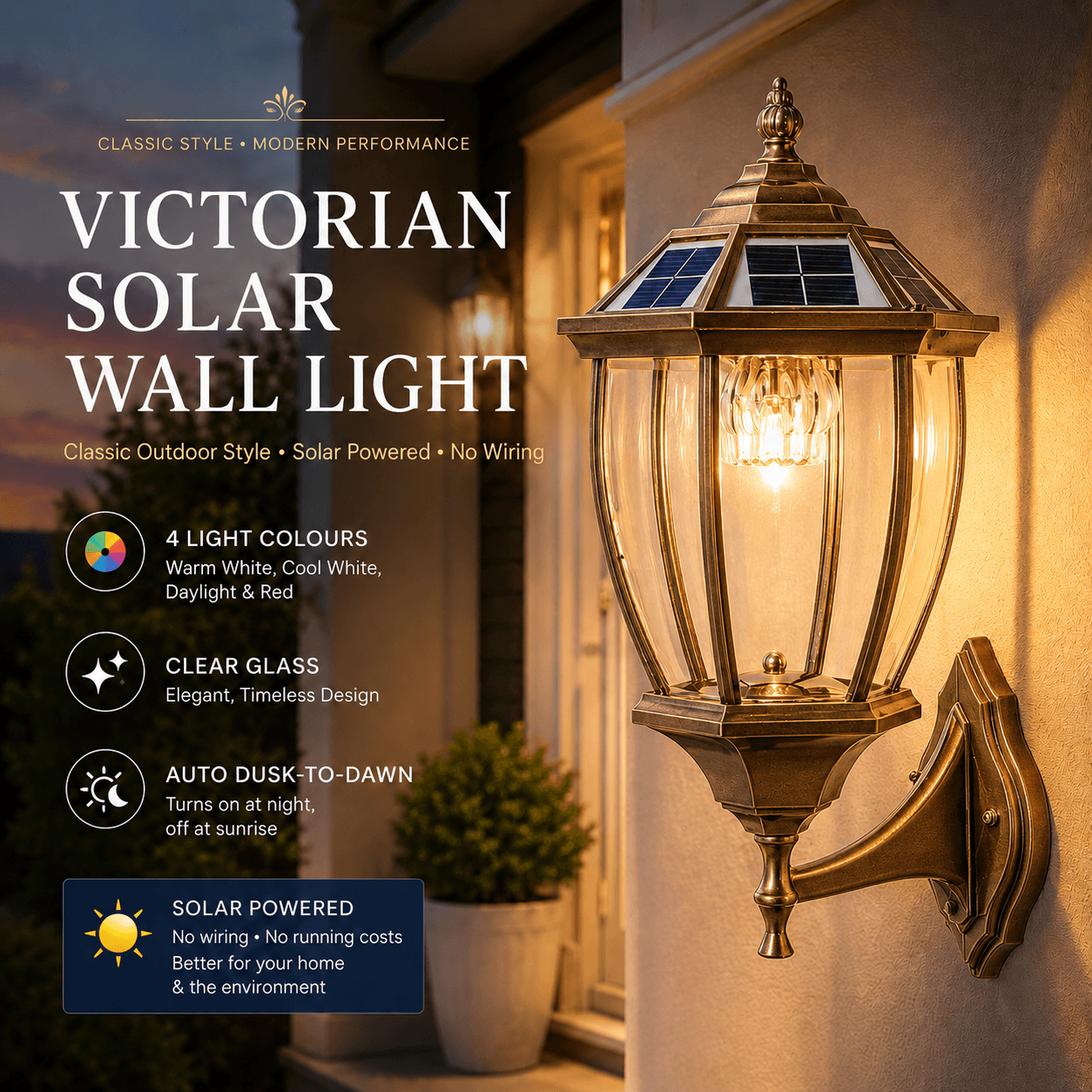
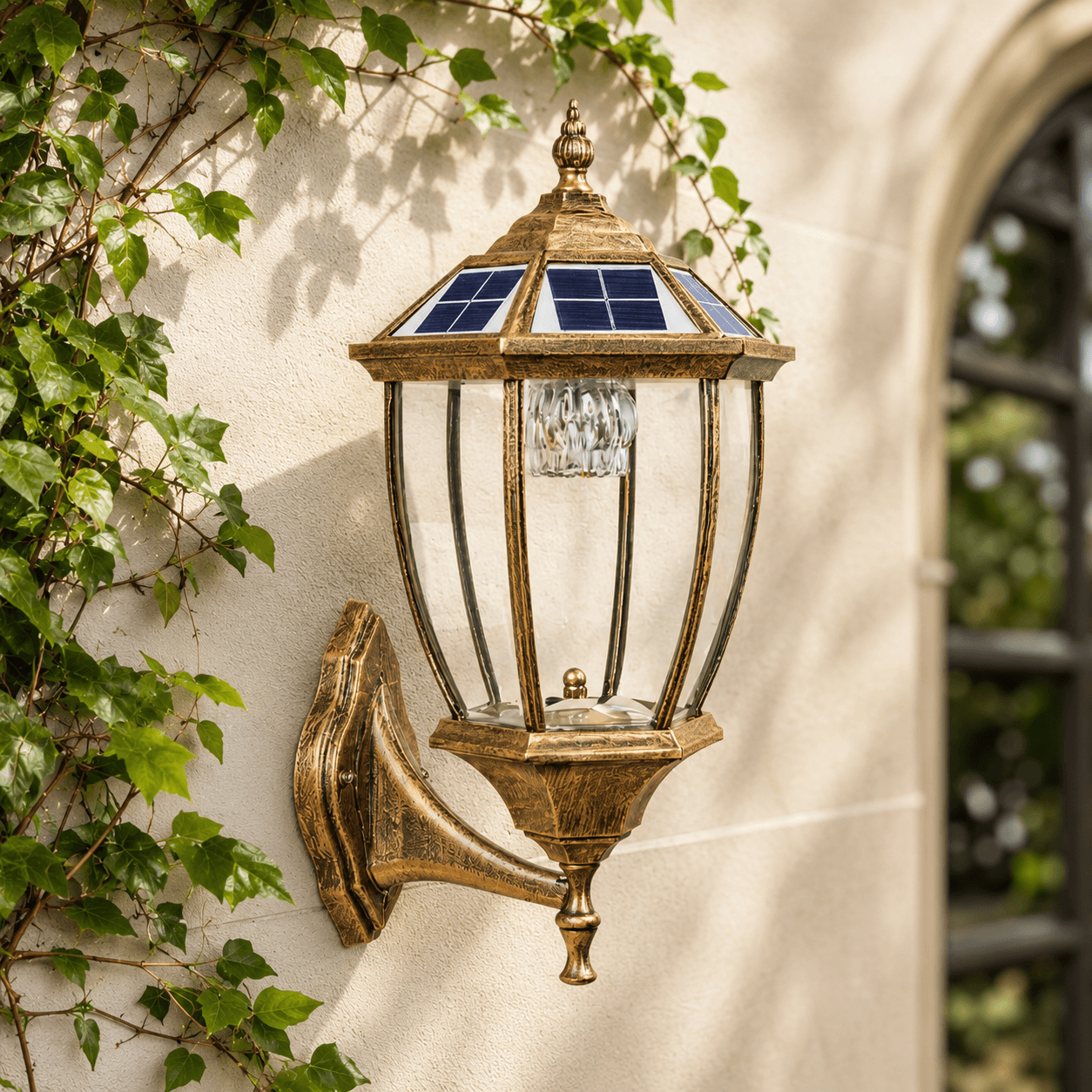
Driveway entrance pillars are one of the best locations for Victorian solar pillar lights.
A matching light mounted on each side of the driveway can create a balanced and welcoming entrance, particularly when the pillars are constructed from brick, stone or rendered masonry.
This placement works especially well because the pillar already provides a natural elevated mounting point. It also allows the decorative lantern head to be clearly visible from both the street and the property.
Before installation, check whether nearby trees, rooflines or high fences may prevent the solar panel from receiving sufficient sunlight.
2. On Front Gate Pillars
Pillars beside pedestrian or vehicle gates are another excellent location.
Victorian solar pillar lights can make the entrance easier to identify after dark while adding a traditional architectural feature during the day. They can work with wrought-iron gates, timber gates, brick fences and many other traditional boundary designs.
Where two matching pillars are available, installing one light on each side usually creates the most balanced appearance.
3. On Front Fence Pillars
Homes with brick, stone or rendered front fences often have several masonry pillars across the frontage. These can provide suitable mounting positions for solar pillar lights.
It is not always necessary to place a light on every pillar. In many cases, installing them only at the driveway entrance, pedestrian gate or major corner points creates a cleaner result.
The number of lights should suit the width of the property and the spacing between pillars.
4. On Entrance Columns or Masonry Piers
Some Australian homes have masonry columns or piers around the front entrance, steps or verandah area. These can also be suitable locations for Victorian solar pillar lights.
The lantern shape can help connect the outdoor lighting with traditional architectural elements such as brickwork, decorative columns or heritage-style façades.
The pillar should be wide enough to support the base securely, and the solar panel should remain exposed to good daylight.
5. Around Courtyards and Patios
Low masonry walls and pillars around a courtyard or patio can provide another useful installation location.
Pillar lights positioned around the perimeter can create gentle evening ambience while also becoming a decorative feature during the daytime. This can work particularly well with tiled courtyards, brick patios and traditionally landscaped outdoor spaces.
For entertaining areas, softer warm white light is often preferred, although cool white may suit homes with a cleaner or more contemporary exterior.
6. On Garden Walls and Landscape Pillars
Decorative garden walls, retaining walls and landscape pillars can also support Victorian solar pillar lights.
This type of placement works well around formal gardens, entrances between different garden areas or raised landscaping. It allows the lighting to become part of the garden structure rather than appearing as a separate fixture.
Make Sure the Solar Panel Receives Enough Sunlight
Even the most attractive installation position will not work well if the solar panel remains in shade for most of the day.
Whenever possible, choose a position that receives several hours of direct sunlight. Pay particular attention to shade created by large trees, roof eaves, neighbouring buildings, pergolas and high fences.
Remember that the sun angle also changes throughout the year. A location that receives plenty of sunlight in summer may become more shaded during winter.
Consider Height, Spacing and Visual Balance
Victorian-style lighting generally looks best when it feels proportionate to the home and surrounding landscape.
Post lights should be tall enough to stand out from surrounding plants without dominating the area. Pillar lights should also suit the width and height of the masonry pillar beneath them.
Symmetrical placement often works especially well with classical, Victorian and heritage designs. For example, matching pillar lights on both sides of a driveway entrance can create a much stronger visual result than a single light placed off-centre.
Warm White or Cool White?
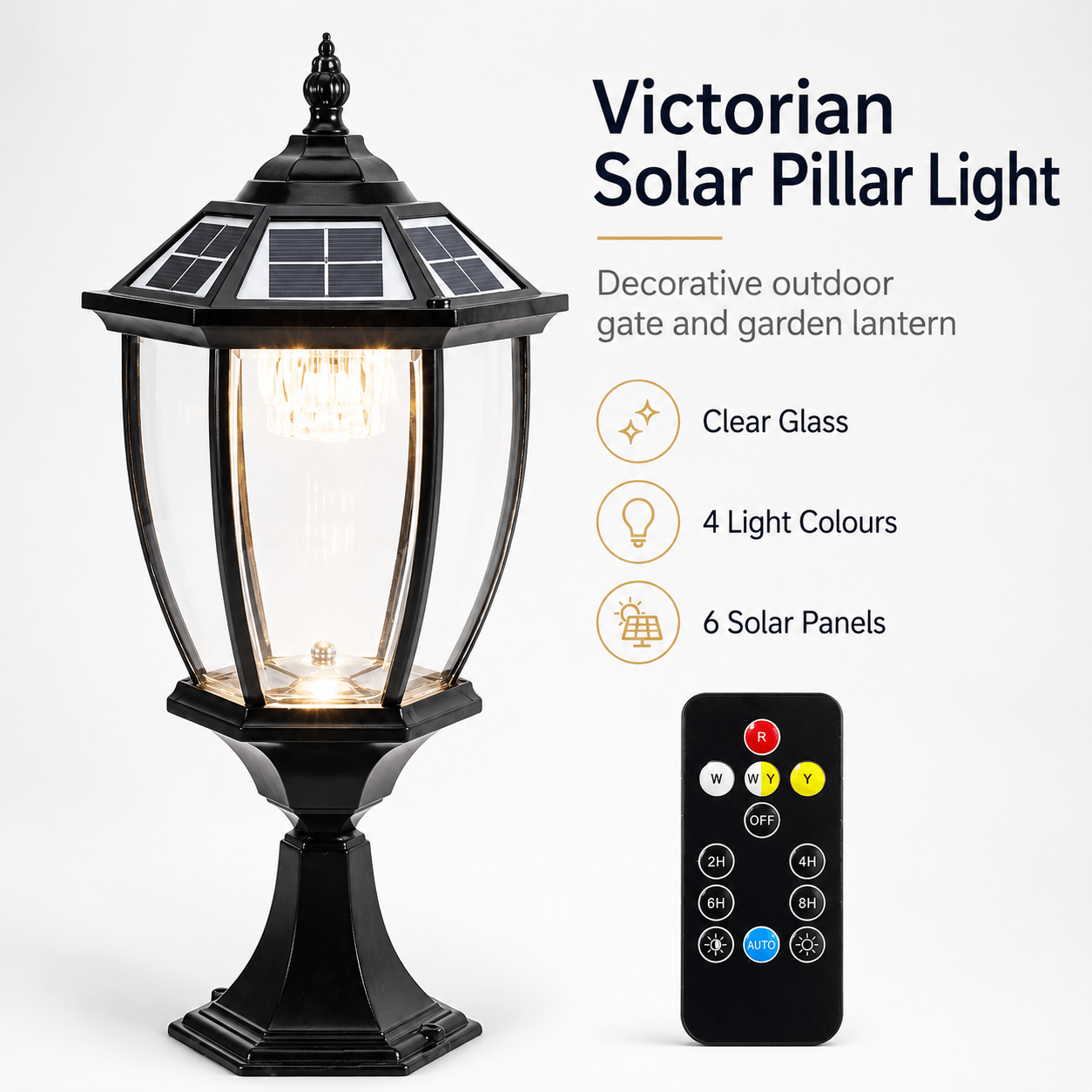
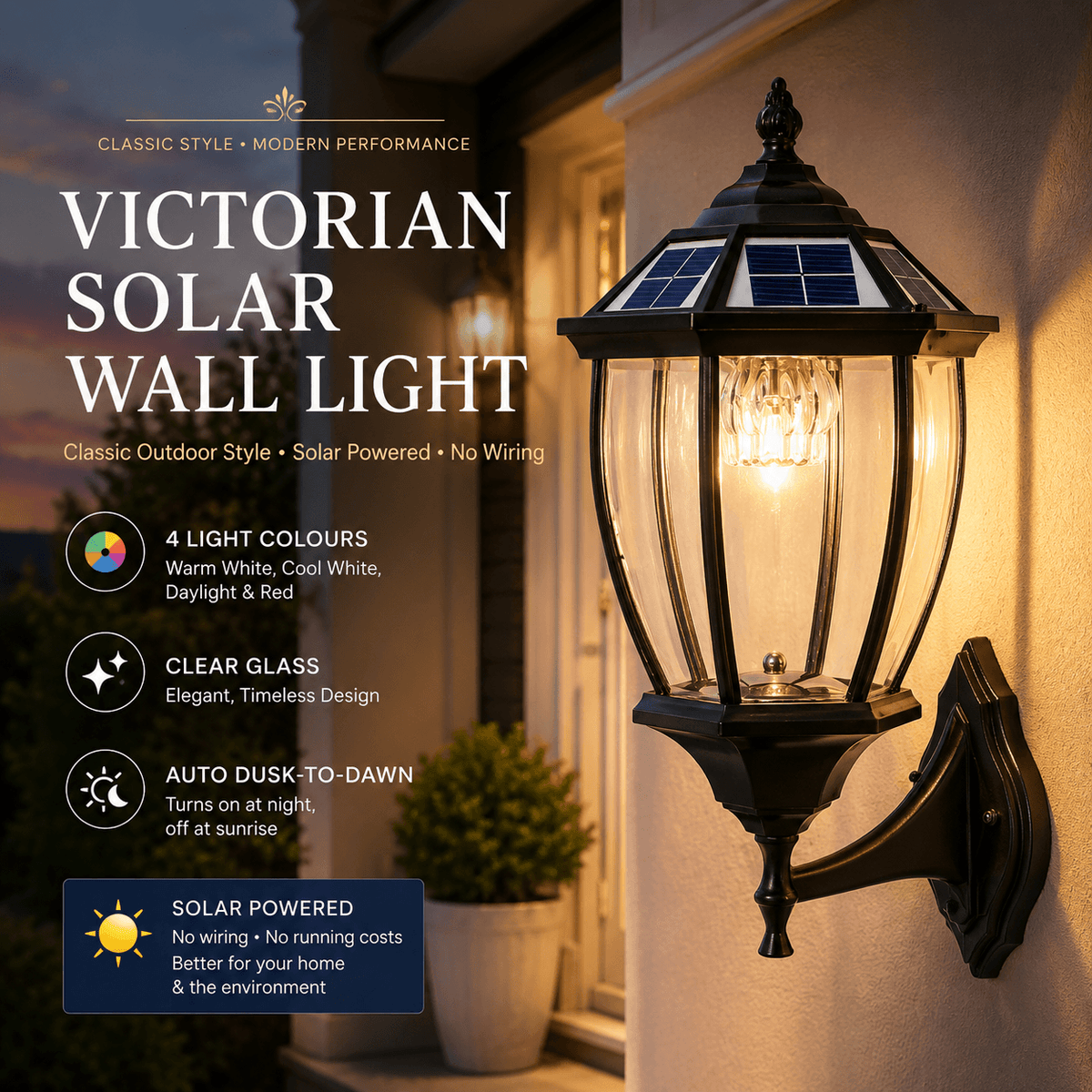
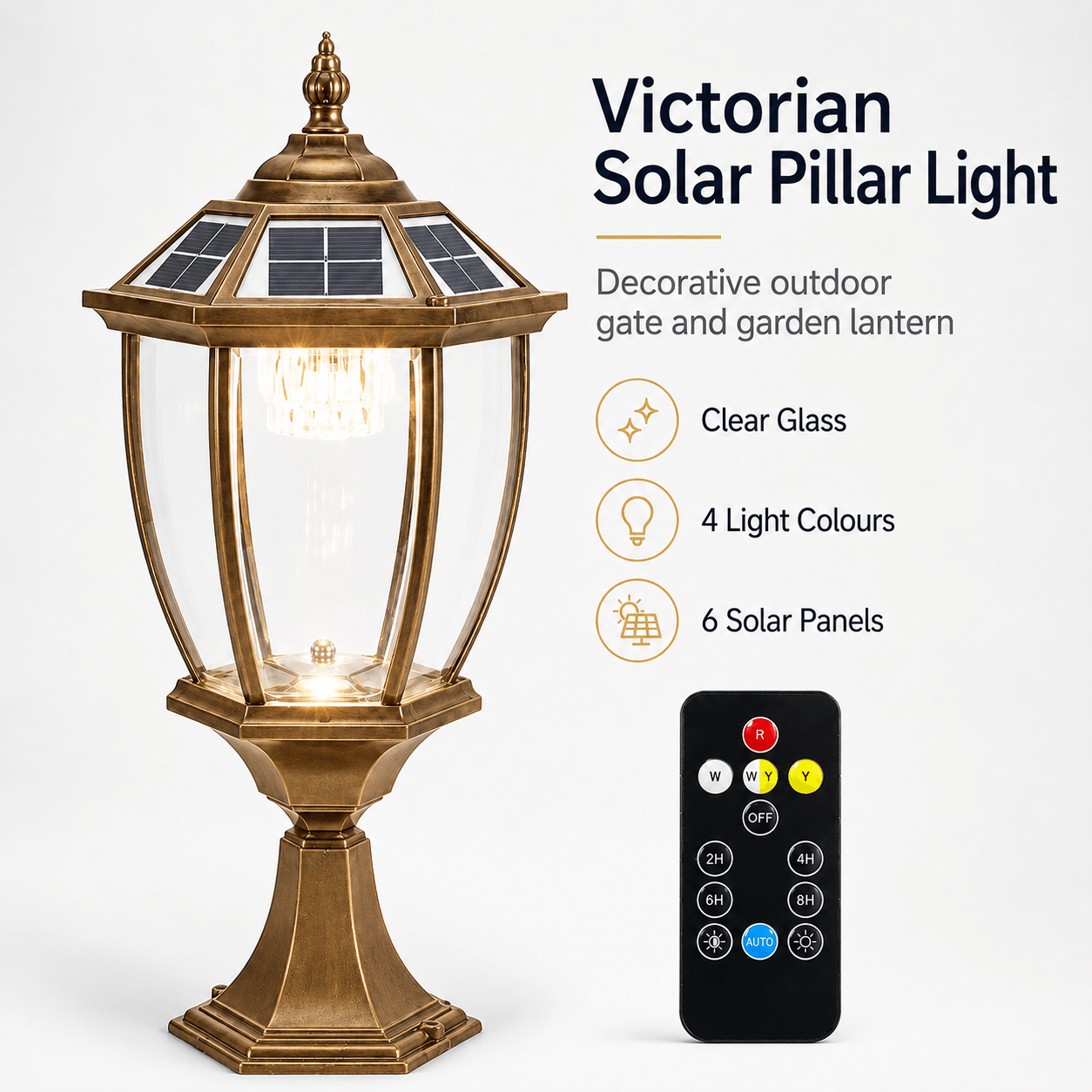
Where the light offers selectable colour options, both warm white and cool white can suit different settings.
Warm white creates a softer, more traditional appearance and often complements brick, stone, timber and heritage-style façades.
Cool white provides a cleaner, crisper look and may suit lighter-coloured rendered homes or properties that combine classical lighting with more contemporary architecture.
The best choice depends on the character of the house and the atmosphere you want to create.
Locations to Avoid
Try to avoid installing Victorian solar lights in areas that receive very little sunlight, directly under dense tree cover, beneath deep roof overhangs or where fast-growing plants may eventually cover the solar panel.
Also avoid positions where vehicles, gates or garden equipment may easily strike the light.
These lights are primarily designed to provide decorative and ambient illumination. They are not intended to replace high-output security floodlights or dedicated street lighting.
Final Recommendation
For Victorian solar post lights, the most suitable locations are usually along driveways, garden paths, landscaped areas and around outdoor living spaces.
For Victorian solar pillar lights, driveway entrances, gate pillars, front fence pillars, masonry columns and garden walls are generally the strongest choices.
Whichever style you choose, the best installation position should balance three things: good sunlight for charging, attractive placement and suitable spacing. When these are considered together, Victorian solar lighting can become an elegant part of the property both during the day and after sunset.