
Aluminium vs Plastic Solar Lights – Which Is Better for Australian Conditions?
When choosing an outdoor solar flood light or solar street light, most people naturally look at brightness, battery capacity, solar panel size and price. The material used to make the light housing can easily be overlooked.
However, if a solar light is going to remain outdoors 365 days a year, its housing is doing an important job. It protects the battery, LED modules and electronic components from heat, rain, dust, UV exposure and physical damage.
This is particularly important in Australia, where outdoor equipment can face intense summer sun and very high temperatures.
So, when comparing aluminium and plastic solar lights, which material is better for long-term outdoor use?
Plastic Solar Lights – Affordable, Lightweight and Practical
Plastic is widely used in outdoor solar lighting, particularly in smaller and lower-cost products. There are good reasons for this.
Plastic is lightweight, inexpensive to manufacture and easy to mould into different shapes. For small decorative garden lights or products that are expected to be replaced periodically, a plastic housing may be perfectly adequate.
It is also important not to assume that all plastics are the same. High-quality UV-stabilised engineering plastics can perform considerably better outdoors than inexpensive plastics.
The problem is that buyers often have no easy way of knowing what grade of plastic has actually been used.
Over several years of exposure to strong sunlight, heat and changing weather conditions, lower-quality plastics may begin to fade, become brittle, warp or crack. Once the housing or seals deteriorate, moisture can potentially reach the electronic components inside.
For a permanently installed solar flood light or street light, this can become a significant long-term reliability issue.
Why Aluminium Is Better Suited to Long-Term Outdoor Lighting
Aluminium housings generally cost more to manufacture, but they offer several important advantages for larger outdoor solar lights.
The first is structural strength.
A solar flood light or street light may remain mounted on a wall or pole for many years. During that time, it can be exposed to wind, rain, strong sunlight and repeated temperature changes.
A well-designed aluminium housing provides a rigid and stable structure for the LED modules, battery, electronics and mounting components.
Aluminium also does not become brittle from UV exposure in the same way that some plastics can.
This makes aluminium particularly suitable for larger solar flood lights and solar street lights designed as permanent outdoor installations rather than short-term or decorative lighting products.
Heat Management Is More Important Than Many Buyers Realise
One of the biggest advantages of aluminium is something you may not immediately see: heat dissipation.
LEDs are efficient, but they still generate heat. Batteries, charging circuits and electronic components are also affected by temperature.
This matters considerably in Australia.
Imagine a solar flood light installed on a pole or external wall during summer. The surrounding air temperature may already be high, while the housing itself is being heated continuously by direct sunlight.
The temperature inside the light can therefore become significantly higher than the surrounding air.
Plastic generally has relatively low thermal conductivity. Aluminium, on the other hand, conducts heat much more effectively. A properly designed aluminium housing can therefore form part of the light's thermal-management system, helping move heat away from critical components.
This doesn't mean that simply putting electronics inside an aluminium box automatically solves every heat problem. Housing design, internal layout and thermal contact with the LED assembly are also important.
But when properly engineered, aluminium provides manufacturers with a much better material for managing heat.
And heat matters because excessive operating temperatures can accelerate the ageing of LEDs, batteries and electronic components.
In other words, the housing isn't only protecting the outside of the light. It can also help create a better operating environment for what is inside.
Why Australian Conditions Make the Choice More Important
Australia can be a demanding environment for outdoor solar lighting.
In many parts of the country, lights must cope with strong UV exposure and hot summer conditions. Depending on where the light is installed, it may also experience heavy rain, storms, dust, coastal salt air and substantial temperature changes between day and night.
A solar light installed outside isn't exposed to these conditions for a few weeks. It may experience them every day for years.
This is why material selection becomes increasingly important when you are looking for a long-life solar light.
For example, a light installed in an exposed location may spend an entire summer heating up during the day and cooling down again overnight. These repeated thermal cycles place stress on housings, seals, joints and electronic components.
Coastal environments introduce another consideration: corrosion.
Aluminium has excellent advantages outdoors, but aluminium does not automatically mean corrosion-proof. The quality of the alloy, surface treatment, protective coating, fasteners and overall construction all matter.
A poorly manufactured aluminium light can still fail.
That's why buyers should look at the complete construction of the product rather than judging quality from one material specification alone.
Aluminium vs Plastic Solar Lights – A Simple Comparison
| Factor | Plastic Housing | Aluminium Housing |
|---|---|---|
| Initial cost | Generally lower | Generally higher |
| Weight | Lighter | Heavier |
| Structural strength | Varies by material | Generally higher |
| UV durability | Depends heavily on plastic quality | Generally very good |
| Heat dissipation | Relatively poor | Much better |
| Large flood/street lights | Less ideal | Well suited |
| Long-term outdoor installation | Quality varies considerably | Generally better suited |
| Corrosion considerations | Does not rust | Requires appropriate coating and construction |
The important word here is quality.
A well-designed product made from high-quality engineering plastic can outperform a poorly manufactured aluminium product. Material alone should never be used as the only measure of quality.
However, for larger solar flood lights and street lights intended to remain outdoors for many years, aluminium generally provides a stronger foundation for long-term durability and thermal management.
Don't Just Look for the Words "Aluminium Housing"
When comparing solar lights, seeing "aluminium housing" in the specifications is a good starting point, but it shouldn't be the end of your investigation.
Look at the complete product.
Ask about the quality of the housing and protective finish. Check the IP rating and how the product is sealed against water and dust. Consider the battery chemistry and capacity, solar panel size, LED quality and charging system.
And importantly, look at the warranty.
A manufacturer or supplier willing to provide a meaningful long-term warranty is making a much stronger statement about expected product life than a specification sheet filled with impressive-looking numbers.
A durable housing cannot compensate for a poor battery, undersized solar panel or badly designed electronics. In the same way, an excellent battery cannot help much if the housing deteriorates and allows water into the light.
A quality solar light needs all of these components to work together.
Think About Years, Not Just the Purchase Price
The cheapest solar light isn't necessarily the cheapest light to own.
A lower-cost plastic light may be perfectly suitable for temporary or decorative applications. But if you are installing a larger solar flood light or street light on a building, driveway, yard, farm or commercial property, replacing the entire unit every few years can quickly become inconvenient and expensive.
For long-term outdoor lighting, particularly under demanding Australian conditions, aluminium housing generally offers important advantages in structural strength, UV durability and heat management.
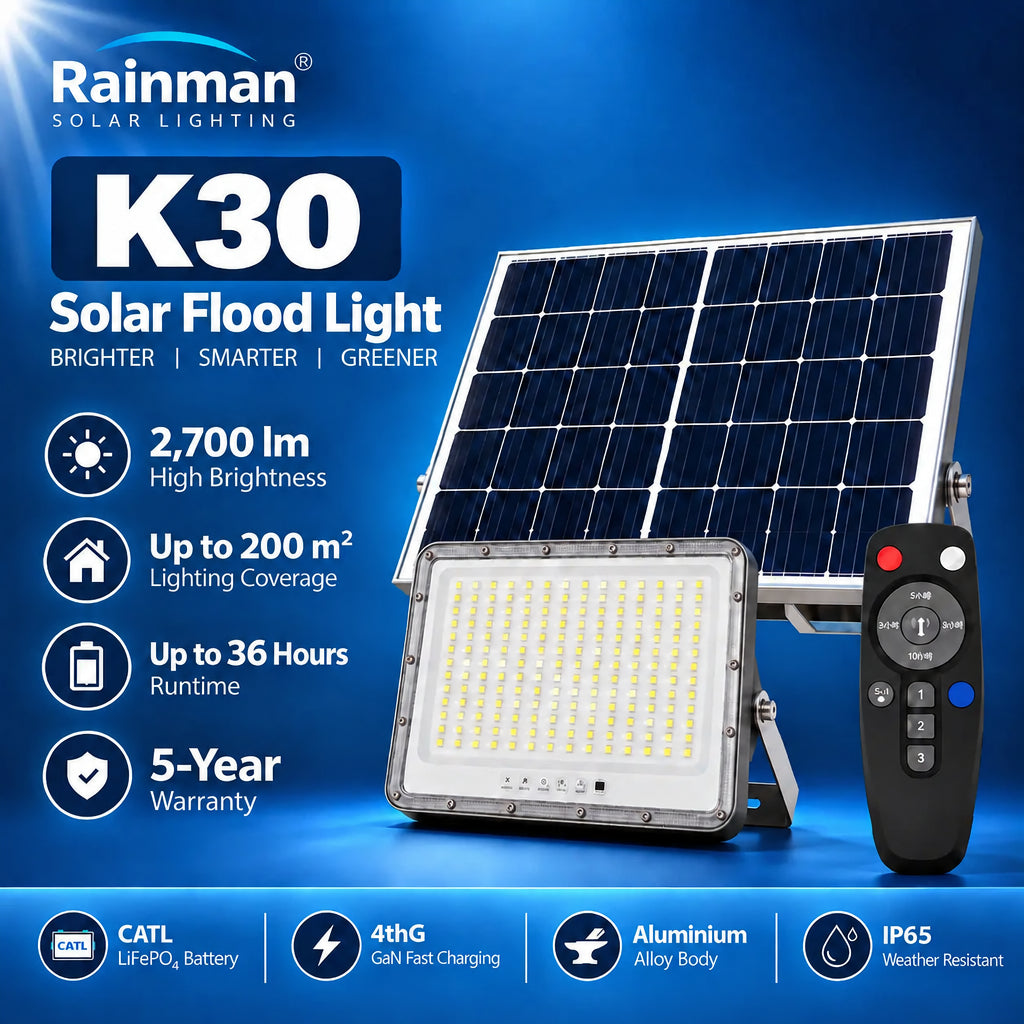
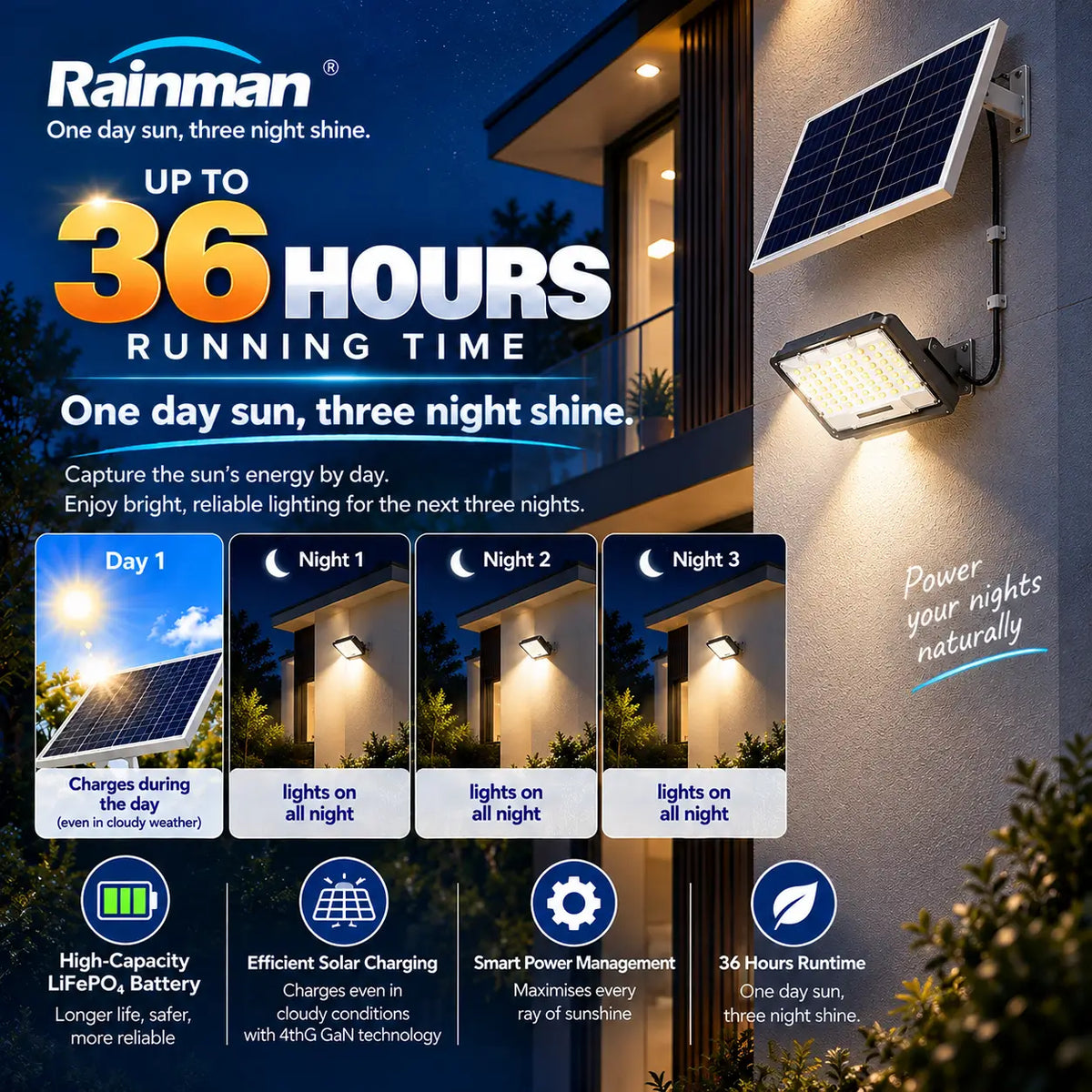
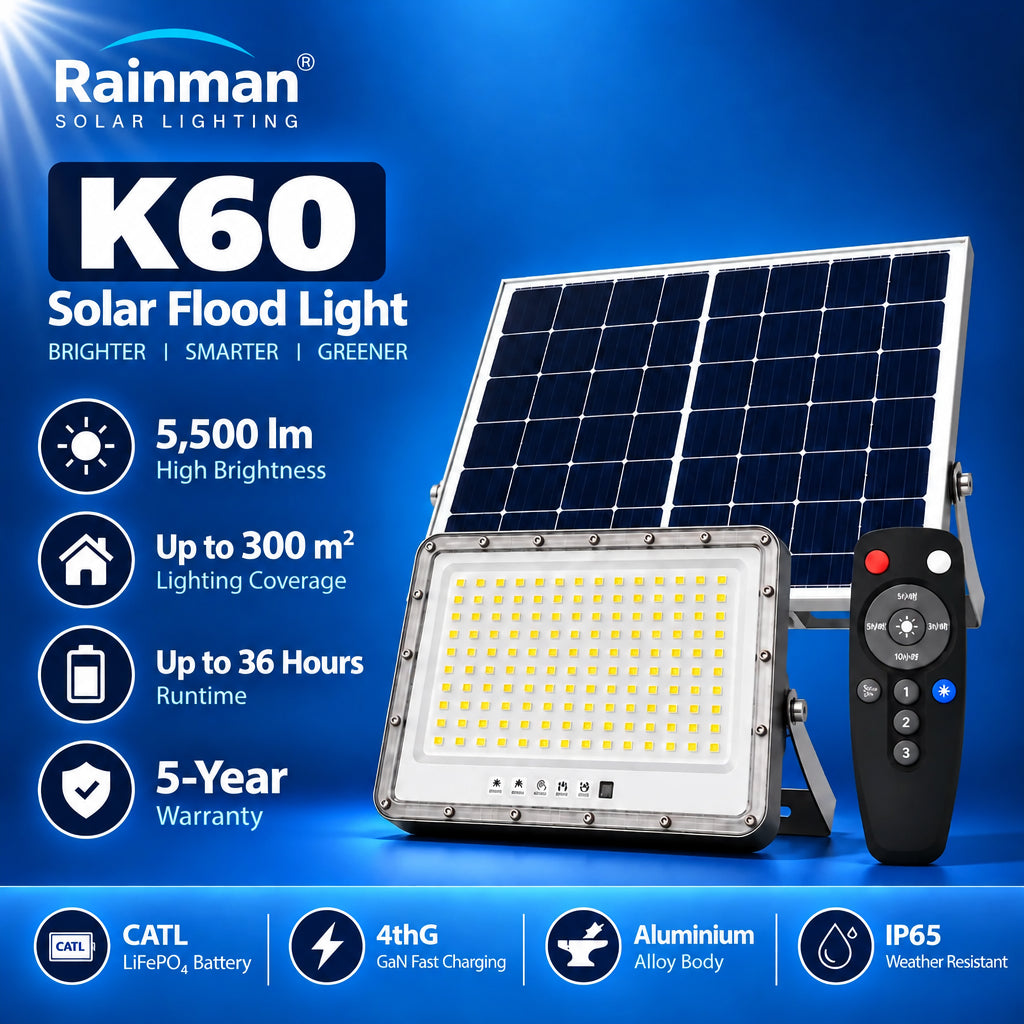
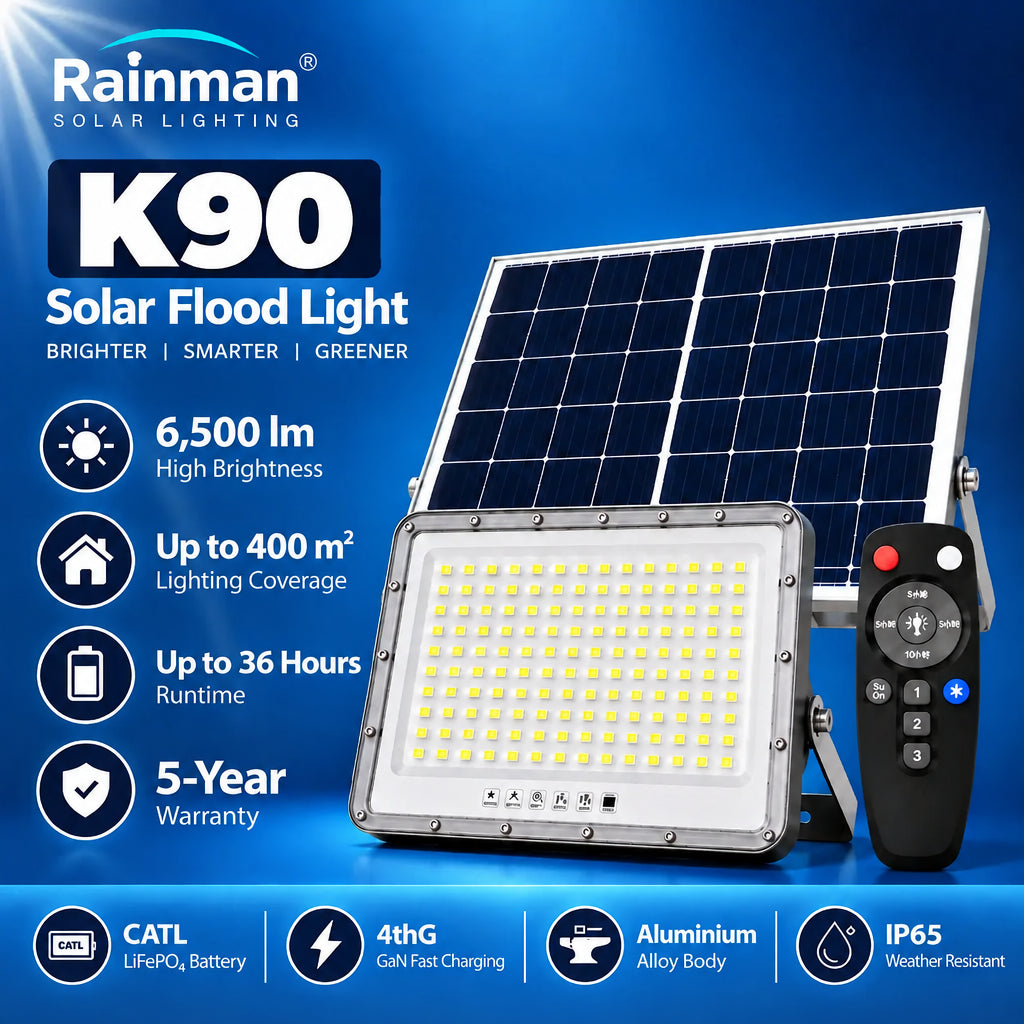
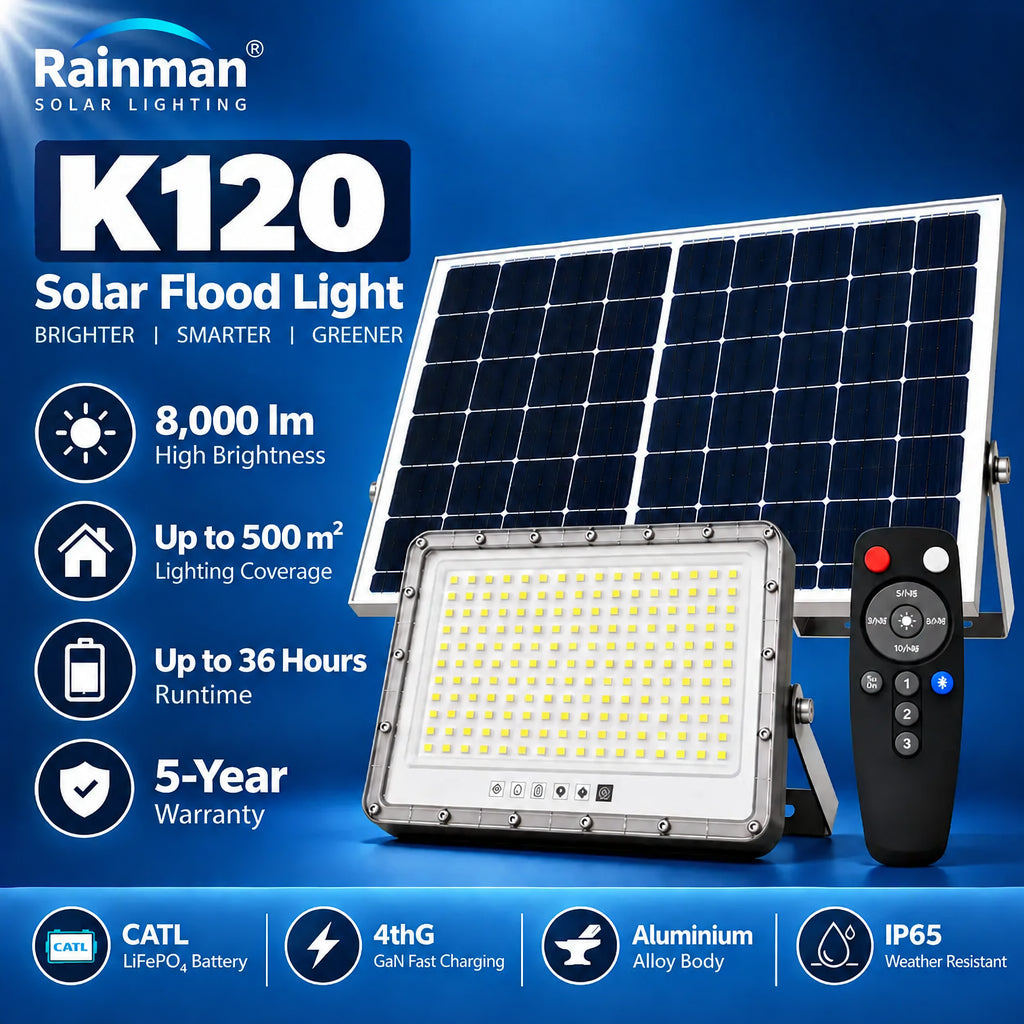
This is also one of the reasons Rainman solar flood lights and street lights use aluminium housings. The objective is not simply to make the light feel heavier or more expensive. Aluminium is part of a broader approach to designing solar lighting for long runtime, long service life and reliable outdoor performance.
When choosing your next solar light, don't only ask:
"How bright is it?"
Also ask:
"How well is it built to survive outside for years?"
That question may tell you much more about the true value of the light.