
Always-On vs Motion Sensor Solar Lights – Which Should You Choose?
When choosing a solar flood light or solar street light, one of the most important decisions is whether you want the light to stay on throughout the night or only become fully illuminated when movement is detected.
These two types of solar lights are designed around very different energy strategies.
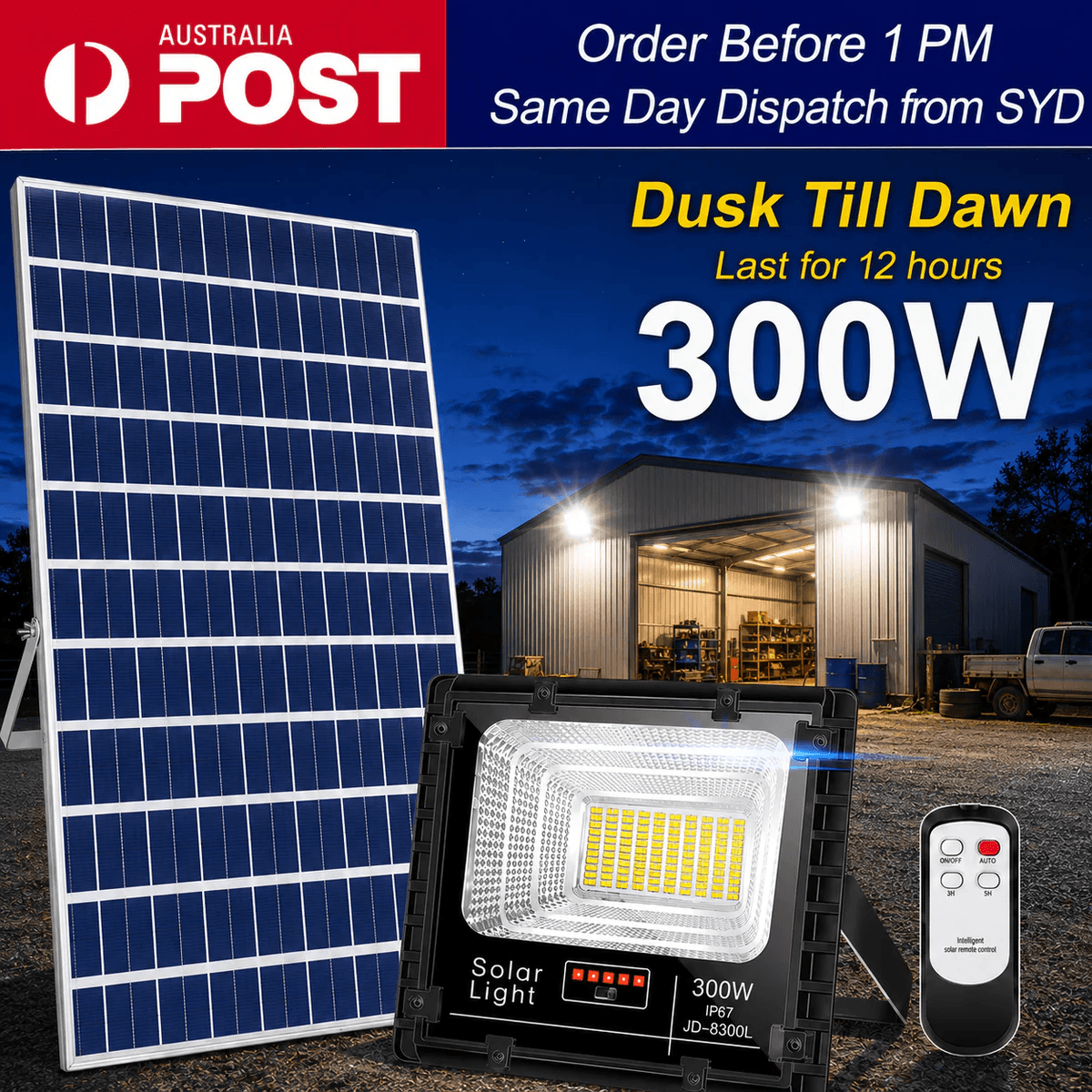
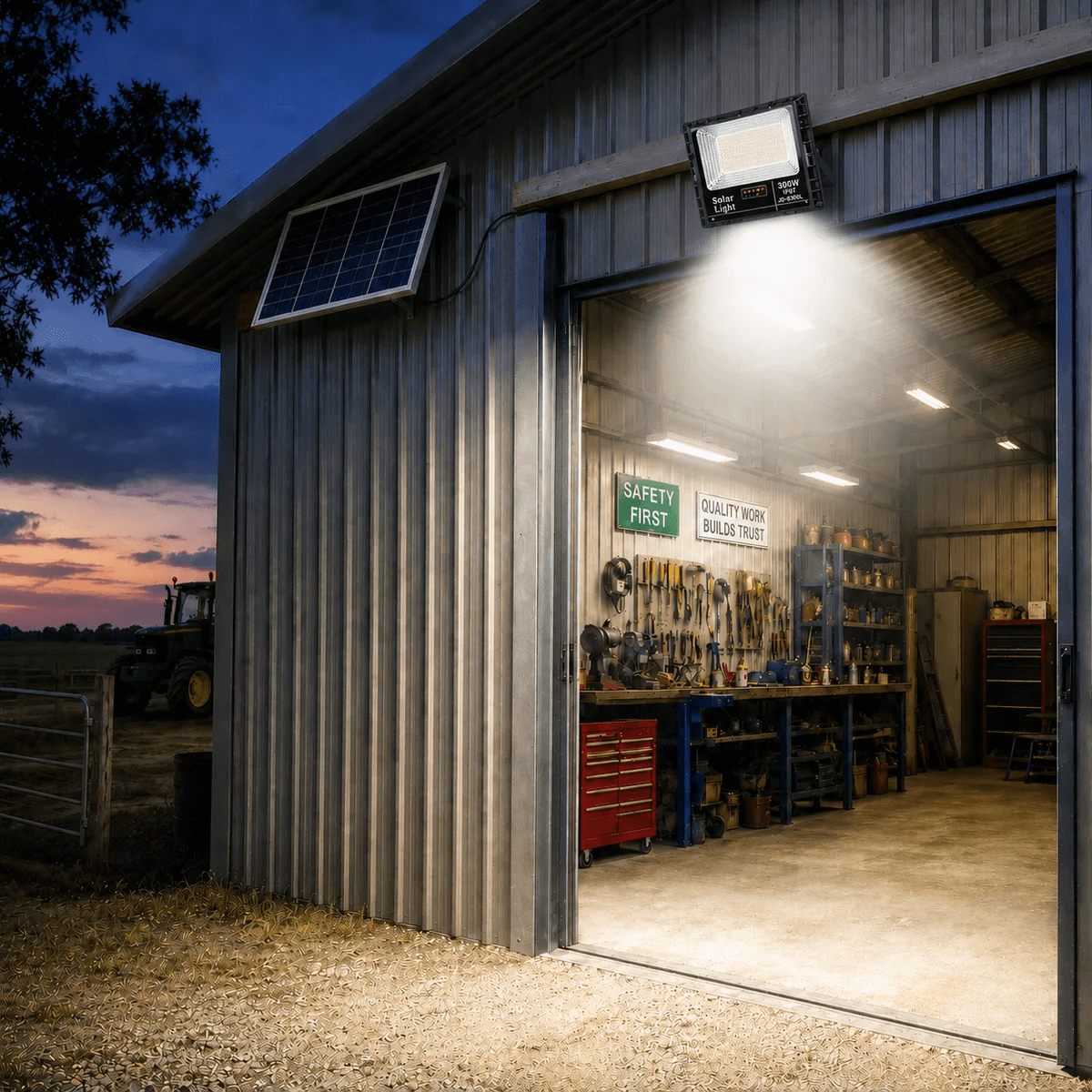
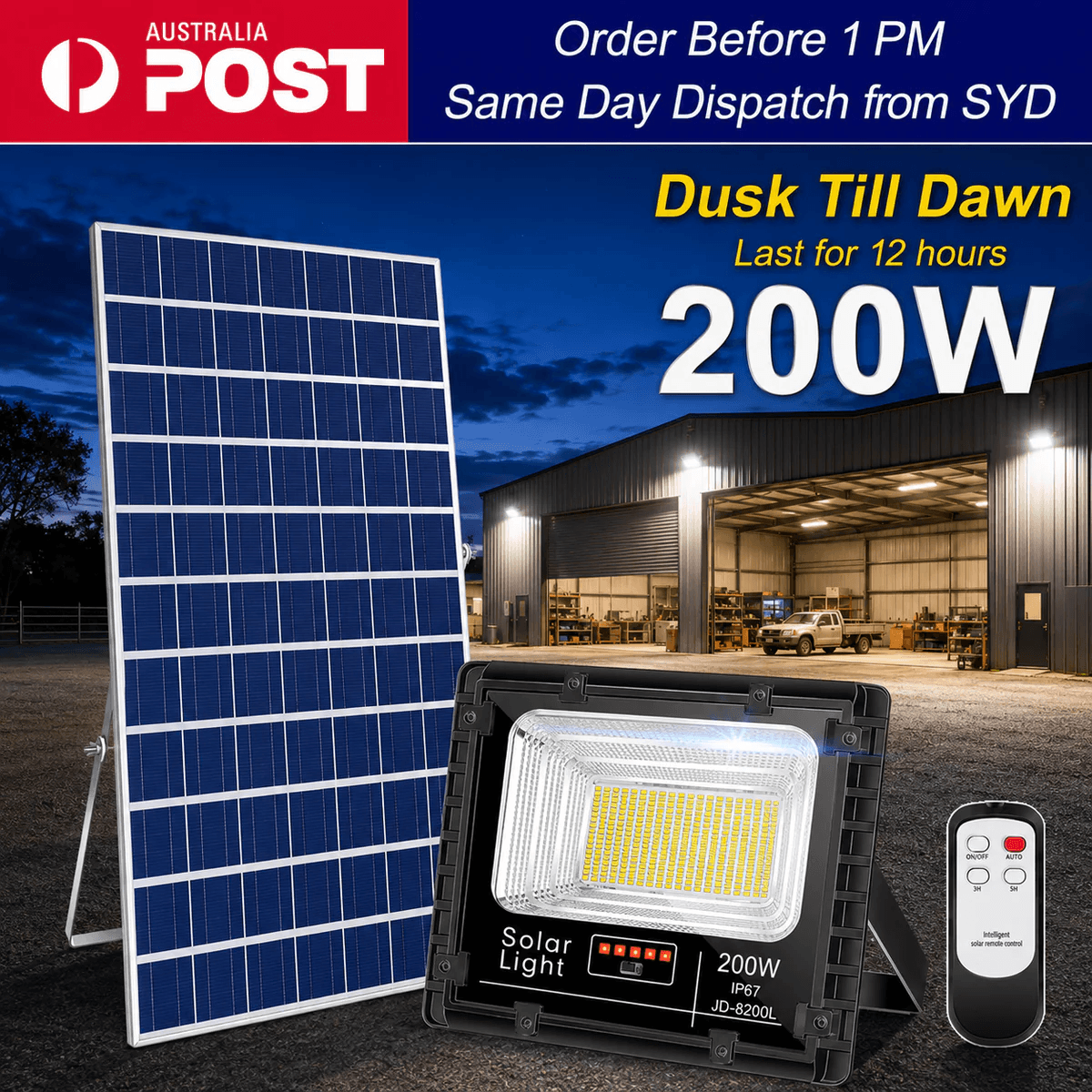
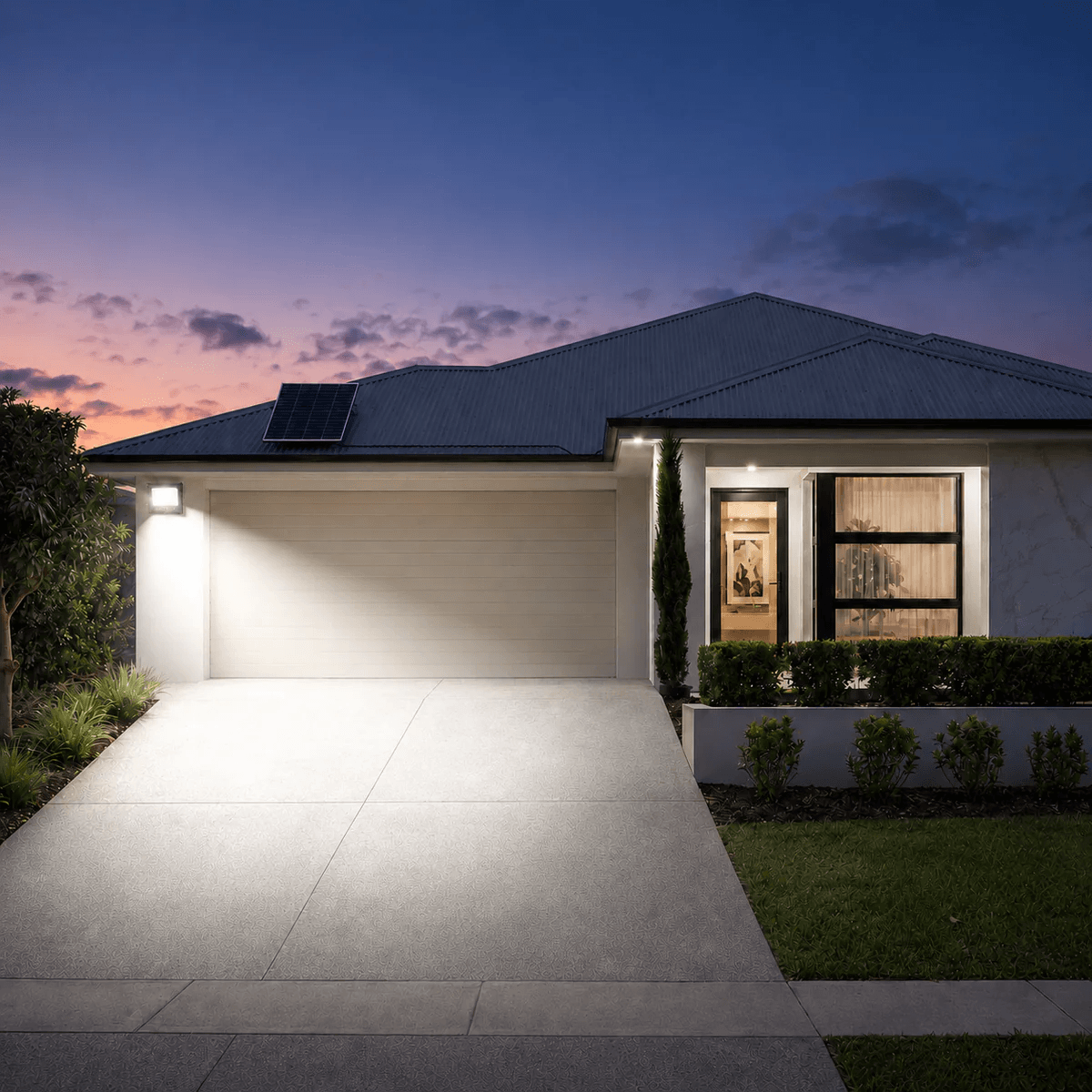
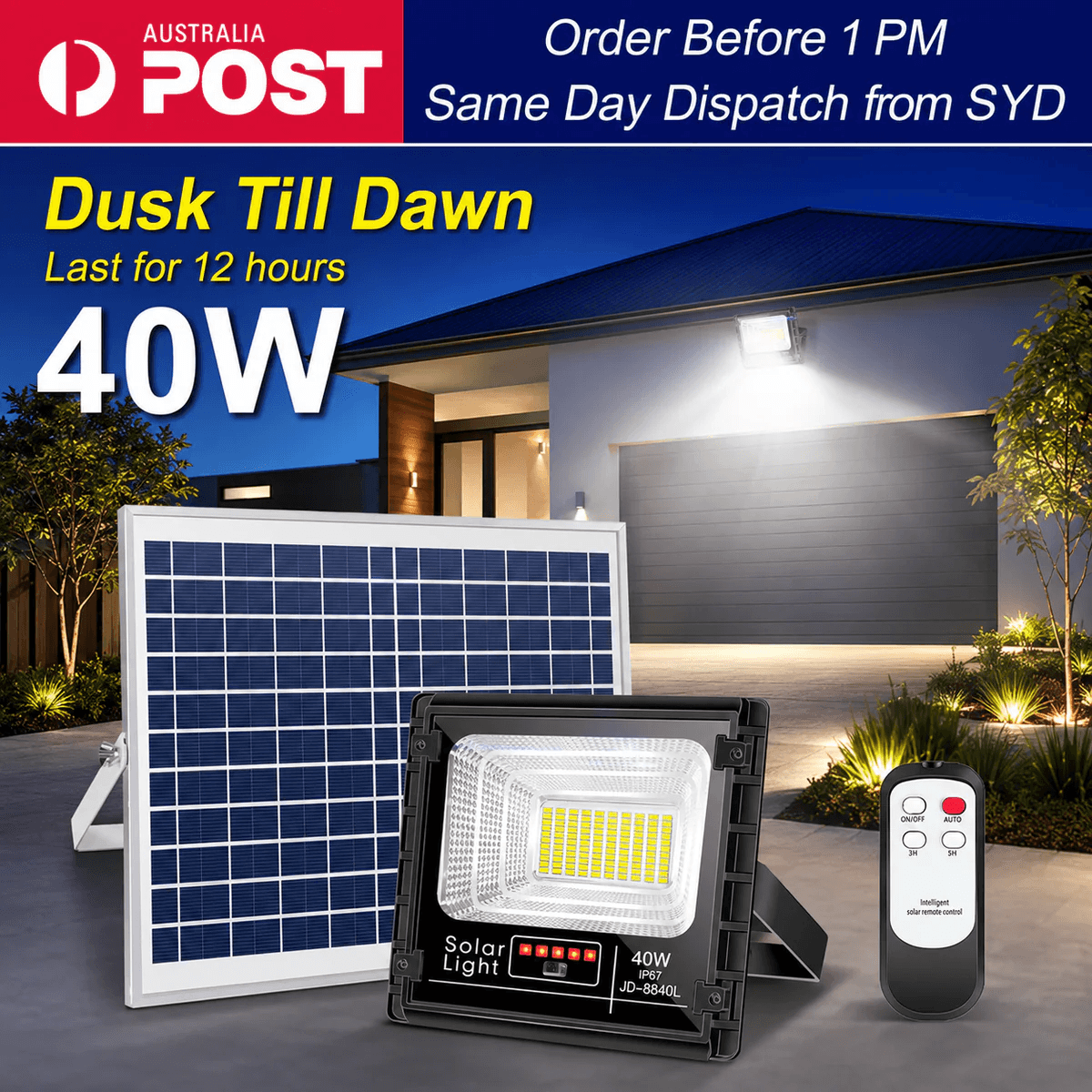
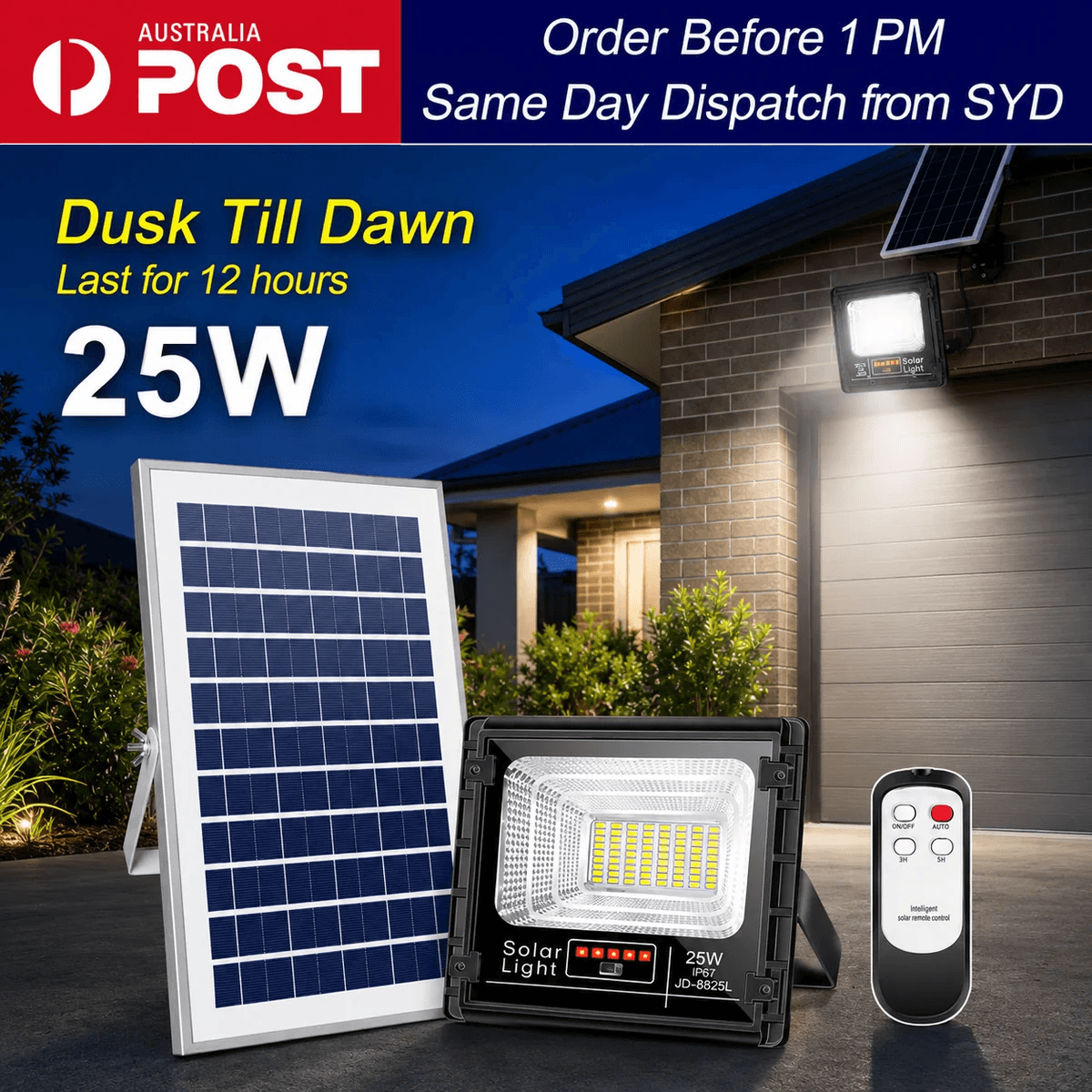
Always-on solar lights are designed to provide continuous illumination from dusk through the night.
Motion sensor solar lights conserve energy by remaining off or operating at reduced brightness until movement is detected.
Motion sensor lighting is a very popular choice for Australian homes, and it is easy to understand why. For many residential applications, people simply don't need a flood light operating at full brightness for the entire night.
But that doesn't mean motion sensor lighting is always the better solution.
For some properties and applications, continuous visibility is exactly what is required.
The right choice depends on what you want the light to do.
How Does a Motion Sensor Solar Light Work?
A motion sensor solar light typically uses a sensor to detect movement within a particular area.
Depending on the product and operating mode, the light may remain off until movement is detected, or it may operate at a low brightness before increasing to full brightness when someone approaches.
This approach has one major advantage:
It saves energy.
Imagine a solar flood light installed beside a house.
If nobody walks past it between midnight and 5am, there may be little reason for it to operate at full brightness during those five hours.
A motion sensor system can conserve the battery during periods when illumination isn't required and use more energy only when somebody enters the area.
This makes motion sensor technology particularly well suited to solar lighting, where the amount of energy available each night is limited by what the solar panel collected during the day.
Why Are Motion Sensor Lights So Attractive?
Motion sensor lights are commonly sought for residential outdoor applications because they solve several practical problems.
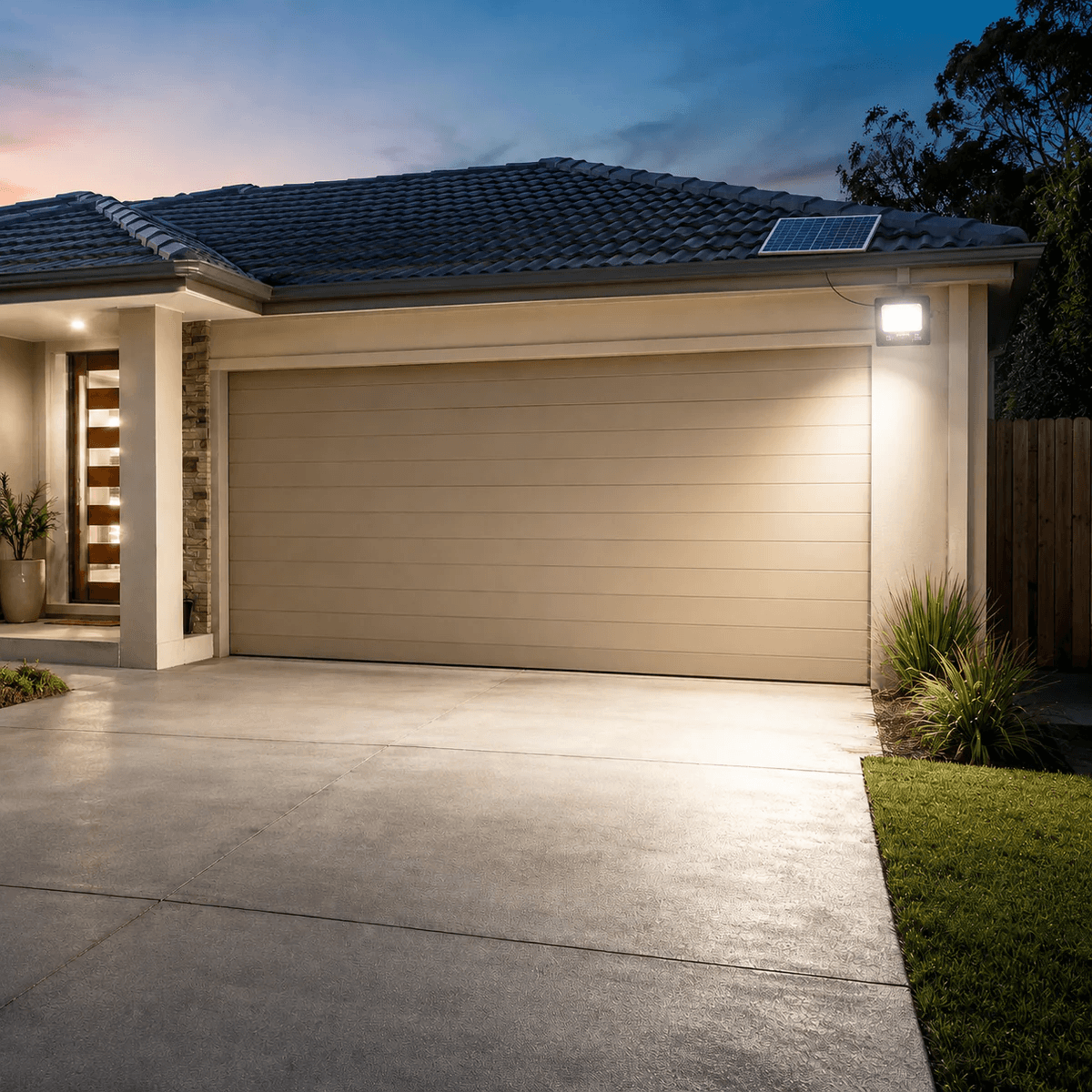
They can provide illumination when somebody approaches a driveway, side passage, gate, garage or backyard while avoiding unnecessary full-power operation throughout the night.
For many homeowners, this is exactly what they want.
Motion sensor lighting can be particularly suitable for:
- Side passages
- Residential entrances
- Garages
- Gates
- Pathways
- Areas that are only occasionally used at night
- Locations where sudden illumination is preferred when movement occurs
There is also a psychological aspect.
A light suddenly switching to full brightness when someone enters an area immediately draws attention to the movement.
For this reason, motion sensor lighting is often associated with residential security applications.
And because the LEDs may operate at full brightness for only a small percentage of the night, the system can achieve useful performance without consuming the same amount of energy as a comparable always-on light.
What Is an Always-On Solar Light?
An always-on solar light solves a different problem.
Instead of waiting for movement, the objective is to maintain useful illumination throughout the night.
Depending on the product, the brightness may remain relatively constant or be intelligently adjusted as the night progresses.
The important difference is that the area remains illuminated even when nobody is moving through it.
This can be useful for:
- Long driveways
- Farm entrances
- Rural properties
- Large yards
- Building exteriors
- Car parks
- Commercial premises
- Storage areas
- Locations where continuous nighttime visibility is important
In these situations, the purpose of the light isn't simply to react to somebody arriving.
The purpose is to keep the area visible.
Why Always-On Solar Lights Generally Need a Bigger Energy System
There is an important engineering difference between the two types of lighting.
A motion sensor light may only operate at maximum brightness for relatively short periods.
An always-on light needs to supply energy continuously for many hours.
Consider a simplified example.
If a light consumes an average of 20W and operates for 10 hours:
20W × 10 hours = 200Wh
That energy needs to come from the battery.
And the solar panel needs to put that energy back into the system the following day.
Now compare that with a motion sensor light that only operates at full output for a small portion of the night.
Its total overnight energy requirement can be considerably lower.
This means that a genuinely capable always-on solar lighting system will generally require more energy capacity.
That may mean:
Larger Battery + Larger Solar Panel + Better Energy Management
And naturally, those components cost money.
Why a Good Always-On Solar Light May Cost More
This is an important point when comparing prices.
If two solar flood lights look similar, but one is designed primarily for occasional motion-activated operation while the other is genuinely designed to provide useful illumination throughout the night, comparing their prices directly may not be fair.
A properly designed always-on system may require:
- More battery capacity
- A larger solar panel
- More robust charging electronics
- Efficient LEDs
- Better thermal management
- Intelligent overnight power control
These additional requirements can increase the manufacturing cost of the product.
So a quality always-on solar light will often cost more than a simple motion sensor light.
The important question isn't whether one product is cheaper.
It is:
Are you comparing two products designed to do the same job?
If you only need light for a few minutes when someone approaches your garage, paying for a large always-on energy system may be unnecessary.
But if you need your driveway, yard or commercial property illuminated throughout the night, buying a small motion sensor system simply because it costs less may not solve your actual problem.
Australian Winter Makes the Difference Even More Important
Always-on solar lighting becomes particularly challenging during winter.
The problem works from both directions.
Winter generally means:
Less available solar energy during the day + longer operating hours at night
A motion sensor light can cope with this more easily because it conserves energy whenever nobody is present.
An always-on light doesn't have that advantage.
It still needs to provide illumination throughout the night.
This is why battery capacity, solar panel size and power management become much more important in an always-on system.
A light that performs perfectly after a long sunny summer day may behave very differently after several cloudy winter days.
For Australian buyers who genuinely require dusk-to-dawn lighting, winter performance should therefore be considered when choosing the system.
What About Hybrid Motion Sensor Modes?
There is also a useful middle ground between completely off and continuously operating at high brightness.
Some solar lights offer a hybrid mode.
For example:
Low brightness continuously → Motion detected → Full brightness → Return to low brightness
This approach provides some continuous visibility while still conserving battery energy.
For many residential applications, this can be an excellent compromise.
You can still see the driveway, pathway or entrance throughout the night, but the system only consumes maximum power when somebody actually enters the area.
Again, there is no universally "best" operating mode.
The correct mode depends on the purpose of the light.
Always-On vs Motion Sensor – Quick Comparison
| Factor | Always-On Solar Light | Motion Sensor Solar Light |
|---|---|---|
| Continuous visibility | Excellent | Limited or dependent on mode |
| Energy consumption | Higher | Generally lower |
| Battery requirement | Generally larger | Can be smaller |
| Solar panel requirement | Generally larger | Can be smaller |
| System cost | Often higher | Often lower |
| Residential entrances | Good | Excellent |
| Side passages | Often unnecessary | Excellent |
| Long driveways | Very good | Depends on requirement |
| Farm / rural property | Very good | Useful in selected areas |
| Commercial yards | Very good | Depends on application |
| Cloudy-weather energy reserve | More demanding | Easier to manage |
| Security response to movement | No sudden activation required | Strong advantage |
| All-night visibility | Main advantage | Not always provided |
So Which One Should You Choose?
The easiest way to decide is to ask yourself one question:
Do I need the area illuminated when nobody is there?
If the answer is no, a motion sensor light may be the better choice.
You can save battery energy and still receive strong illumination when someone enters the area.
If the answer is yes, you should seriously consider an always-on system.
This is particularly relevant when continuous visibility is important for a driveway, rural property, farm entrance, commercial area or large outdoor space.
You should then look carefully at battery capacity, solar panel size, realistic runtime and winter performance.
Don't assume that every solar light advertised as "dusk-to-dawn" is equally capable of providing useful illumination throughout the entire night.
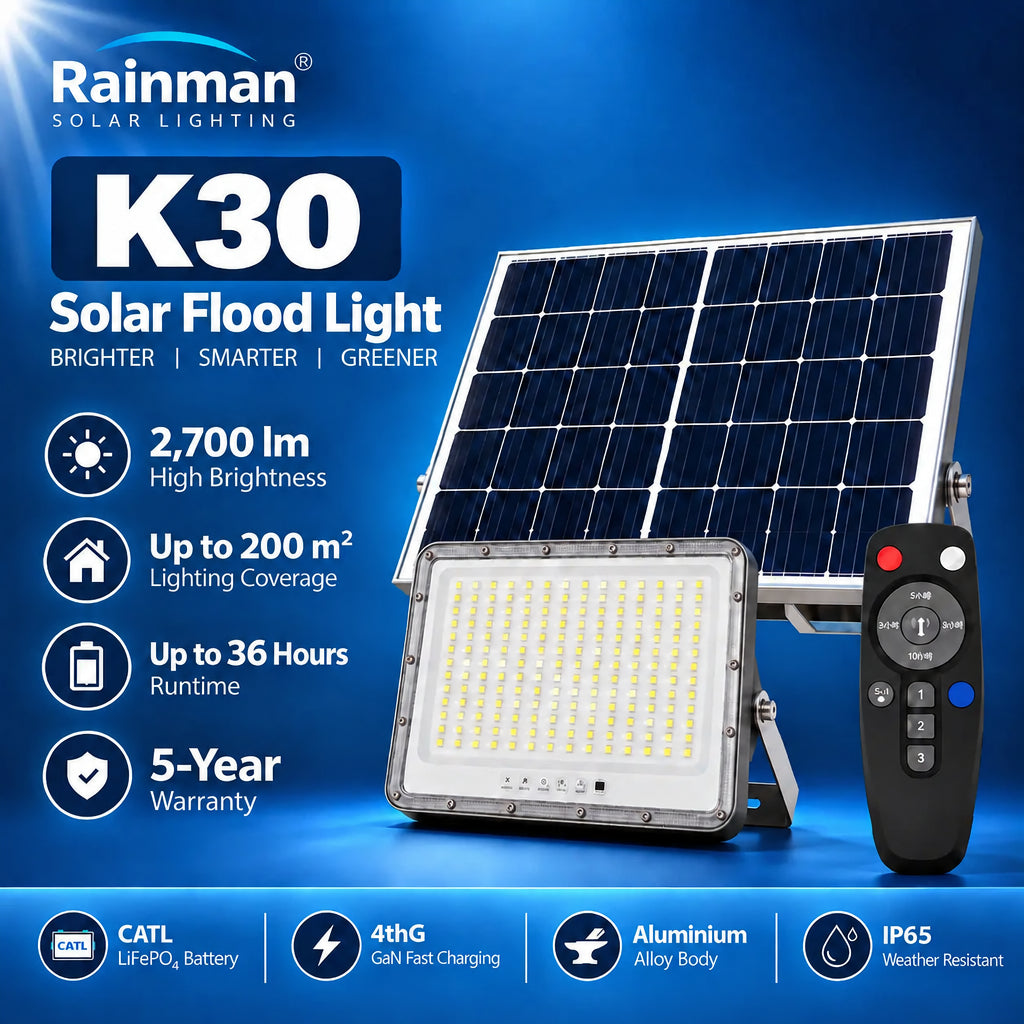
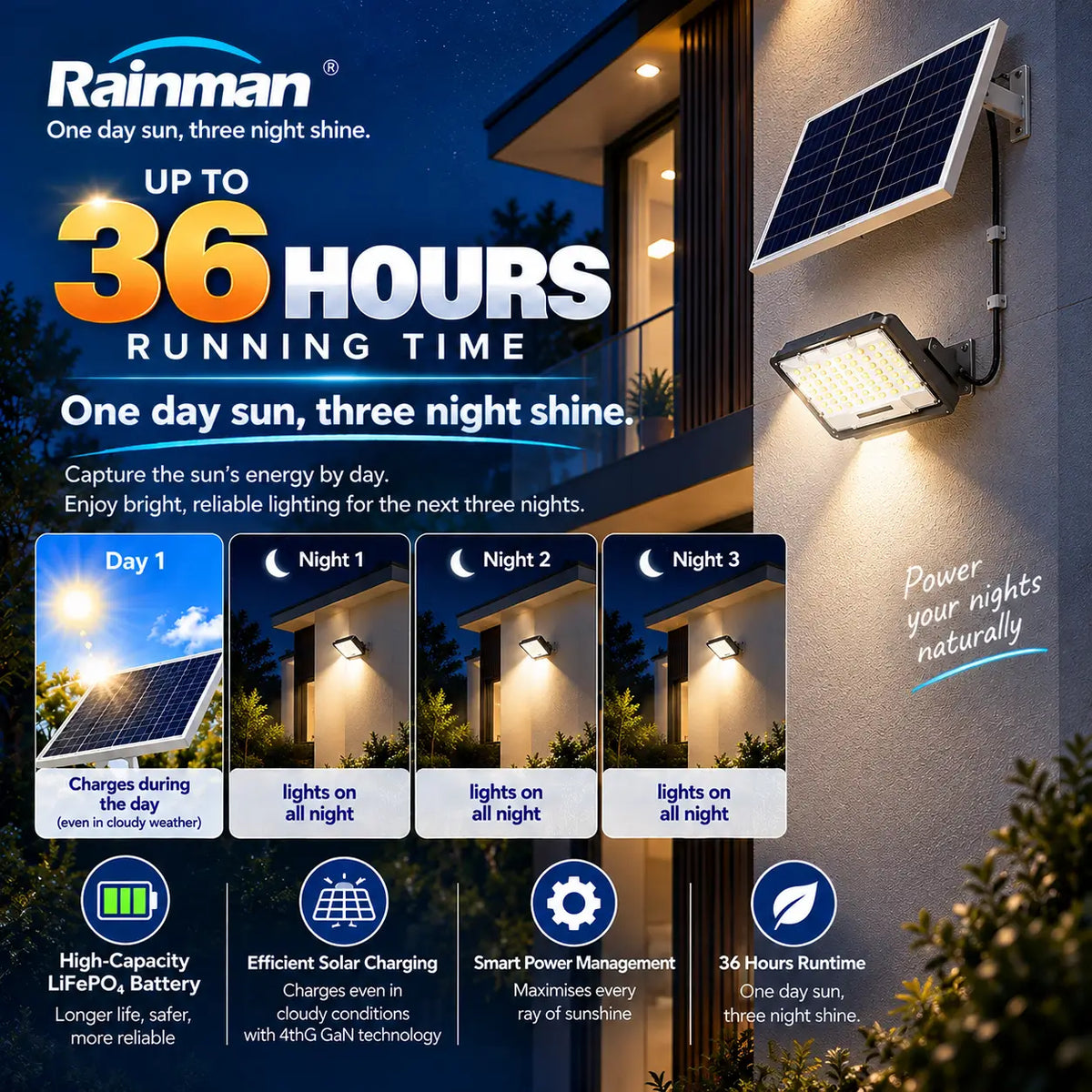
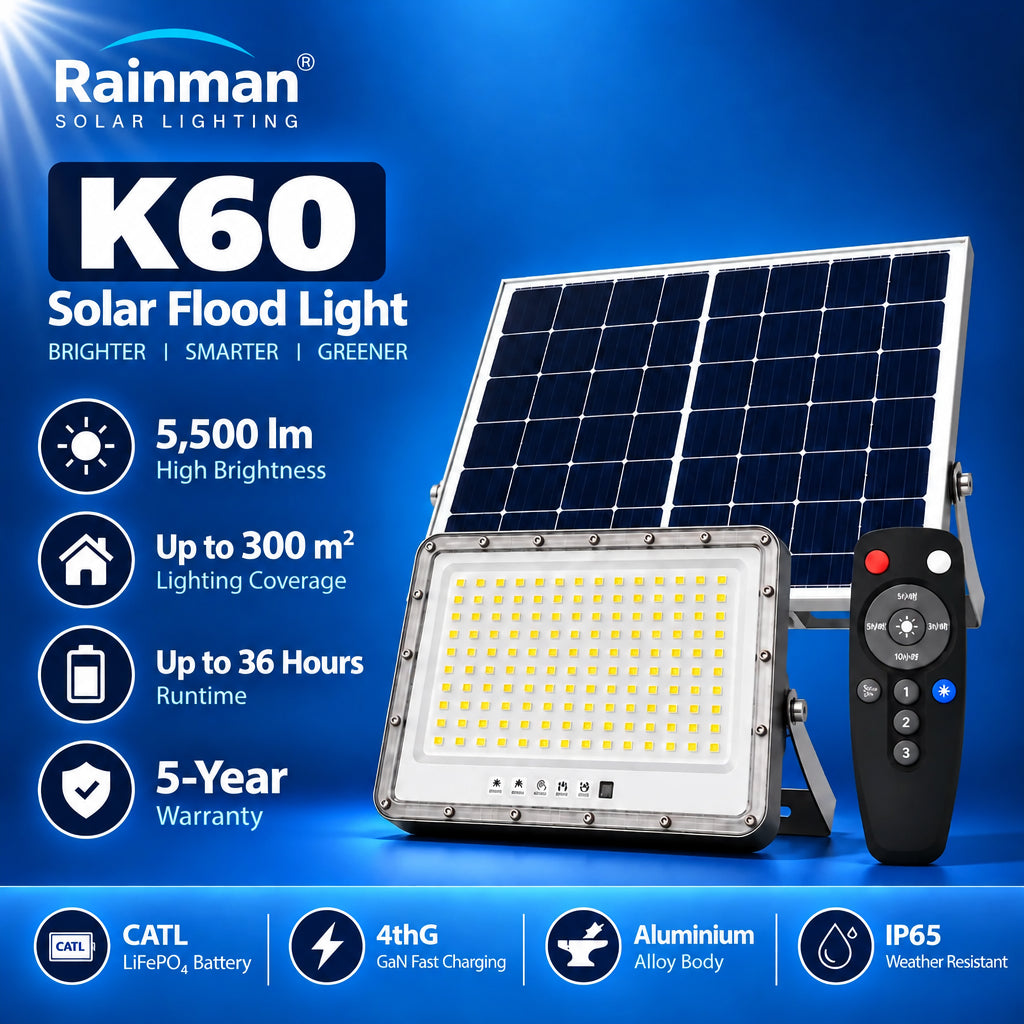
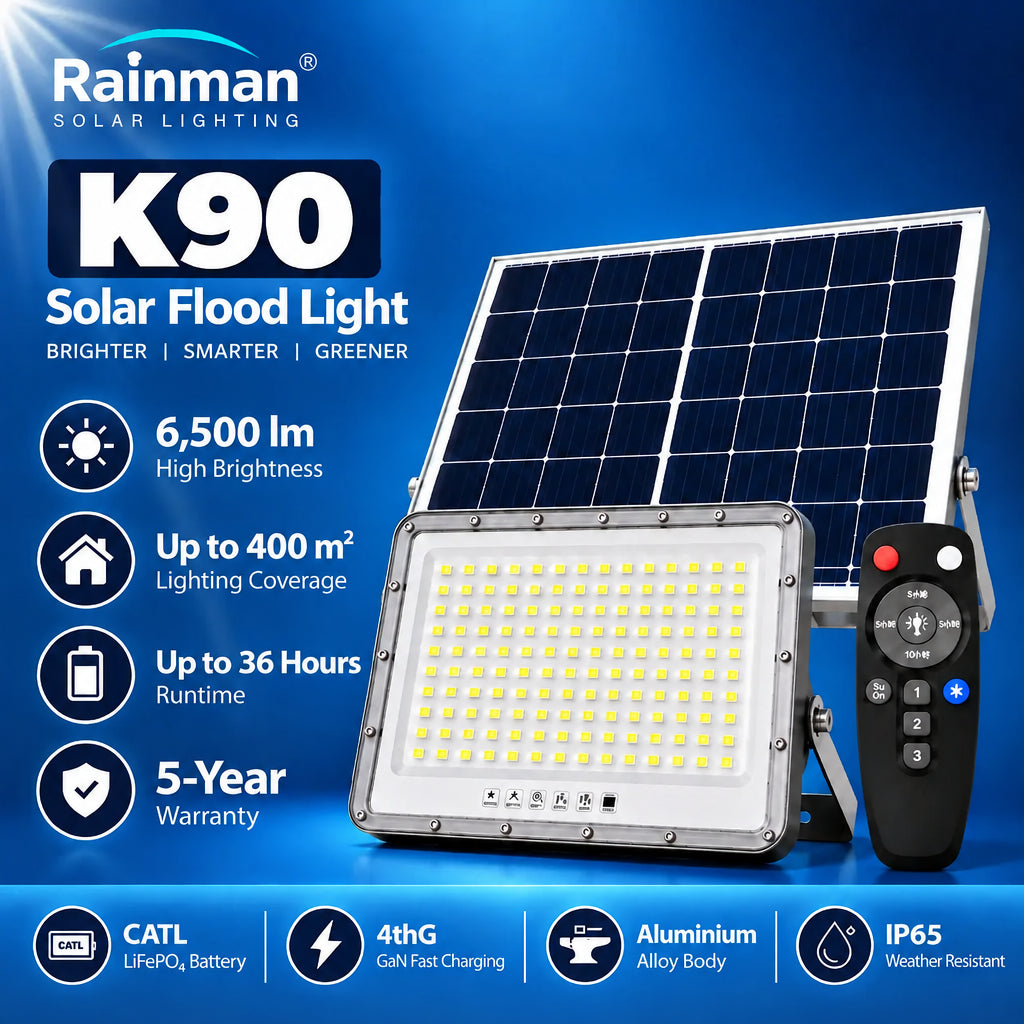
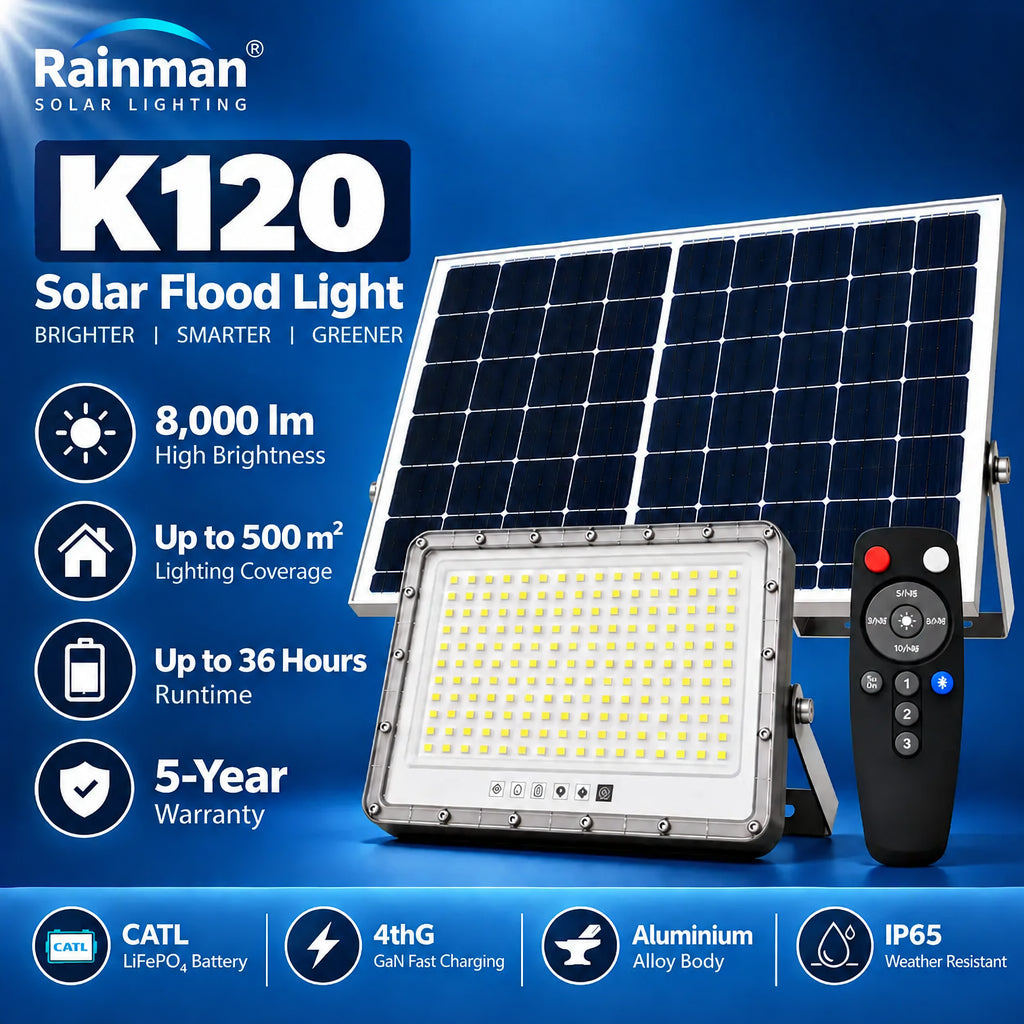
Why Rainman Focuses on Always-On Performance
Motion sensor solar lights make a great deal of sense for many Australian households, and there are plenty of applications where we would recommend them.
Rainman solar lighting, however, has been developed primarily around a different requirement:
reliable, continuous outdoor illumination.
The challenge we wanted to address wasn't simply how to make a light switch on when someone walked past.
The more difficult question was:
How do you design a solar lighting system that can provide useful illumination throughout the night, including under less favourable Australian conditions?
That requires greater attention to battery capacity, solar charging, LED efficiency and energy management.
It can also mean a larger and more expensive energy system.
But for customers who genuinely need continuous nighttime visibility, those additional components serve a practical purpose.
Rainman's focus on always-on lighting therefore isn't based on the idea that motion sensor technology is inferior.
It is based on solving a different problem.
Choose the Operating Mode Before You Choose the Light
Motion sensor and always-on solar lights shouldn't really be viewed as competitors.
They are tools for different jobs.
If you need illumination mainly when somebody approaches:
Choose motion sensor lighting.
If you need an area to remain visible throughout the night:
Choose an always-on system designed with sufficient battery and solar capacity to do the job properly.
And if you want some continuous visibility without consuming maximum energy all night, consider a hybrid low-light-plus-motion mode.
The key is to decide what you actually need before comparing wattage, brightness or price.
For solar lighting, the best product isn't necessarily the one that produces the most light or costs the least.
It is the one that provides the right light, at the right time, for the right amount of time.