
Solar Powered Security Camera Information Hub | Section 3: Features & Technology Explained
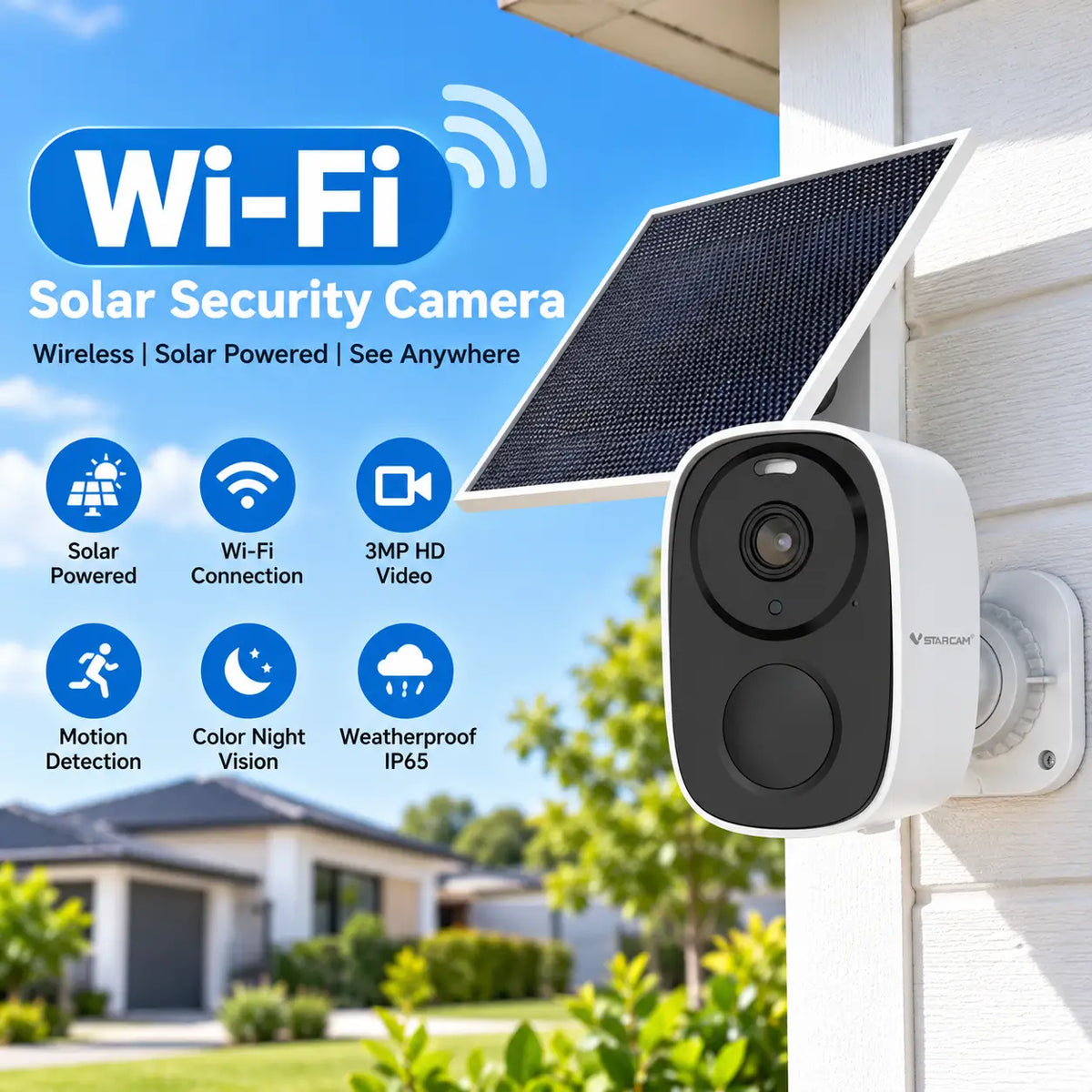
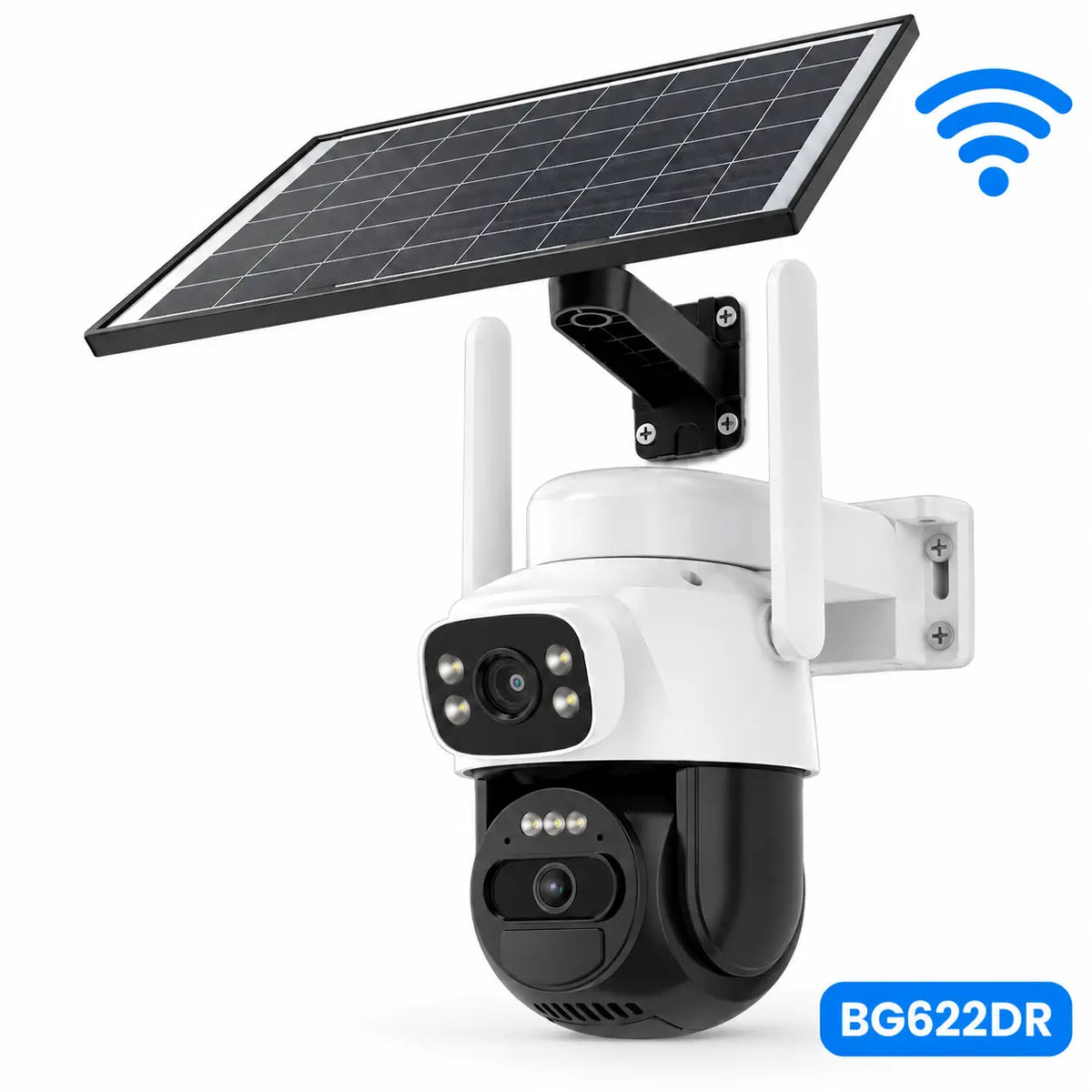
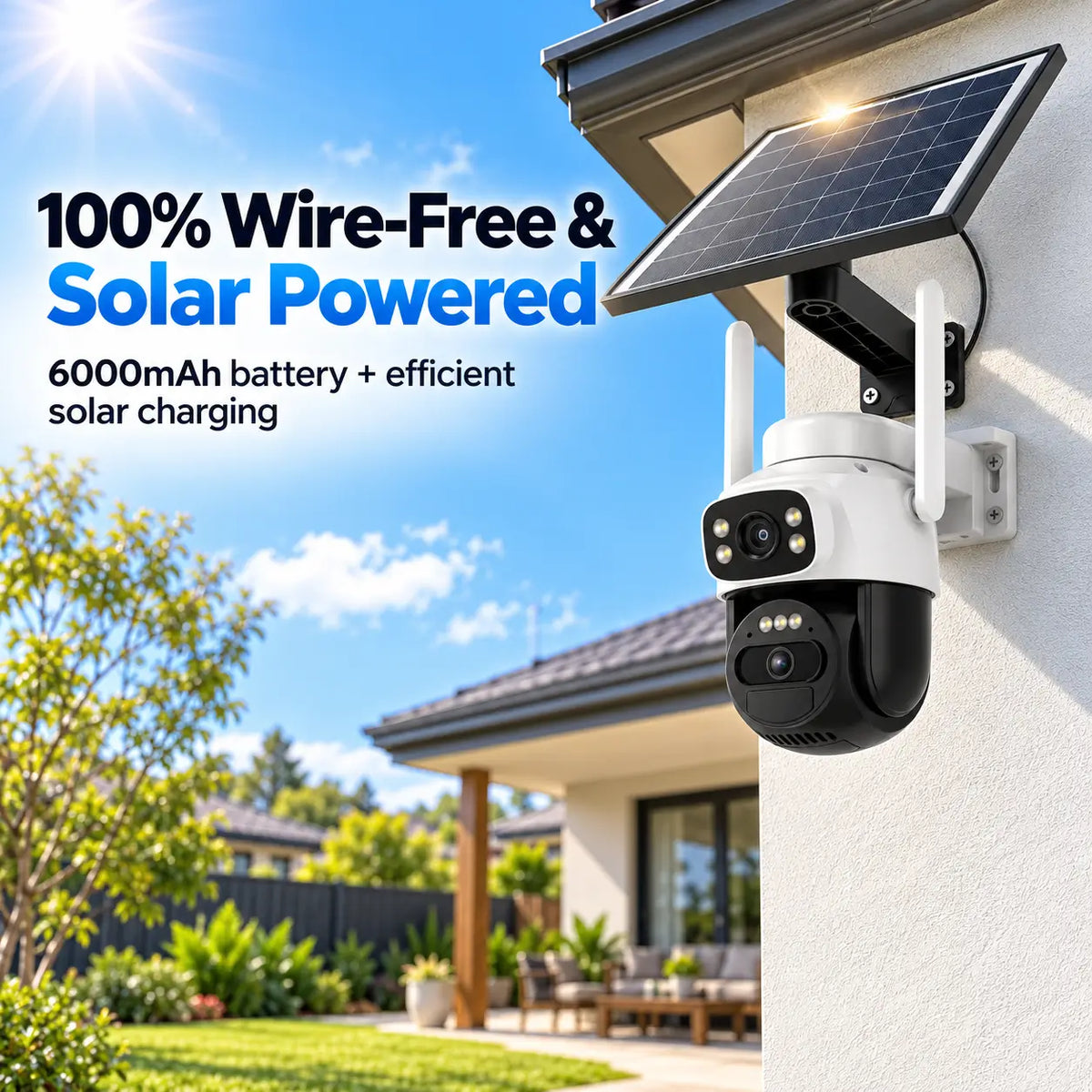
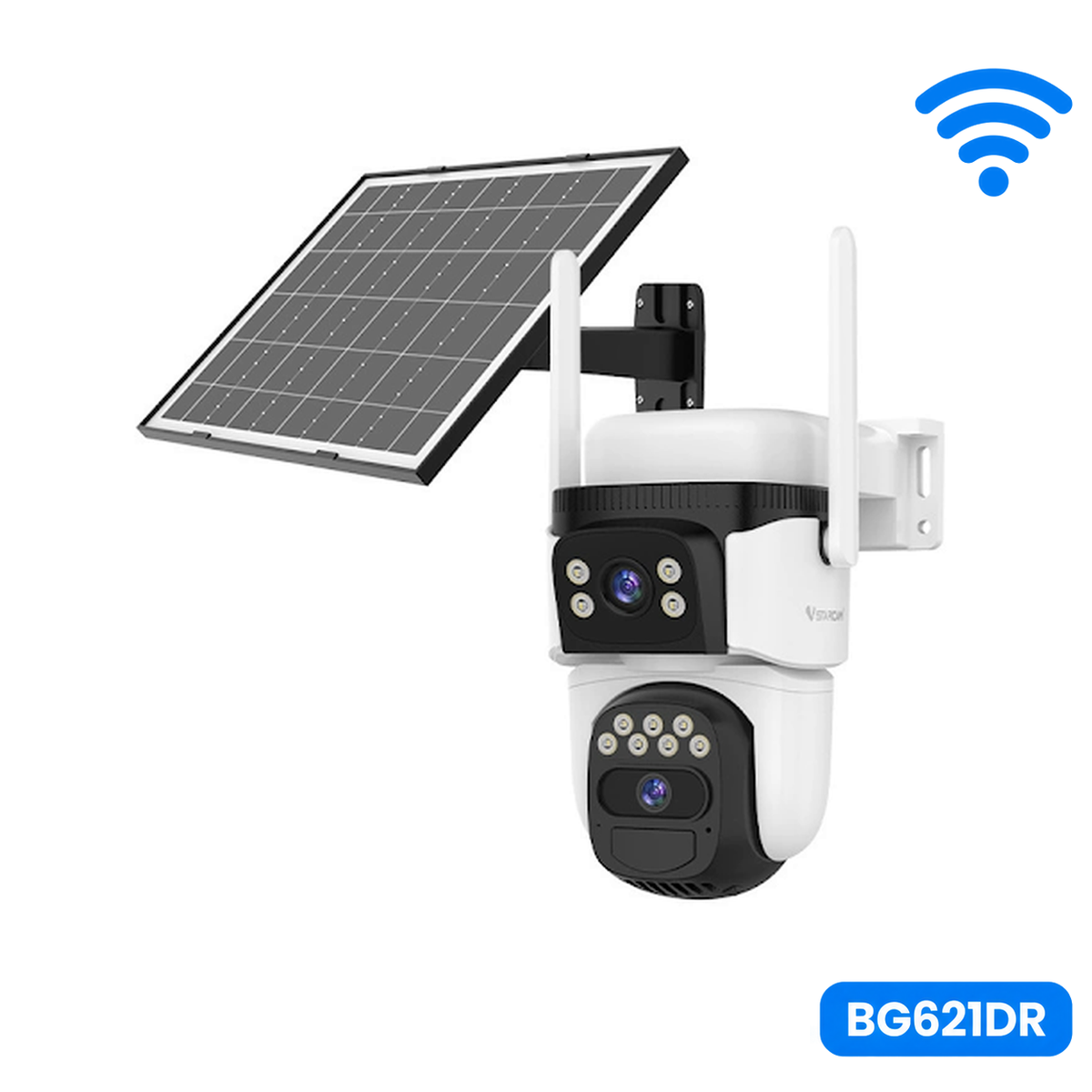
Wi-Fi connectivity is an important consideration when choosing a solar powered security camera for an Australian home.
Many wireless security cameras connect to a home router, allowing users to view live footage, receive notifications and manage camera settings through a smartphone application.
However, one common source of confusion is the difference between 2.4GHz Wi-Fi and 5GHz Wi-Fi.
Some solar security cameras support only 2.4GHz networks, while others support both frequency bands.
A camera that cannot connect to the correct Wi-Fi frequency may fail during setup, even when the home's internet connection is working normally.
Understanding the differences between these two technologies can help homeowners choose compatible equipment and achieve more reliable outdoor connectivity.
1. What Does 2.4GHz Wi-Fi Mean?
The term 2.4GHz refers to the radio frequency band used for wireless communication between devices.
Many home routers broadcast Wi-Fi networks using the 2.4GHz band.
This frequency is commonly supported by smart home devices, including wireless security cameras, sensors and lighting controllers.
The 2.4GHz band generally provides better range and penetration through certain building materials than 5GHz under comparable conditions.
This can make it useful for outdoor security cameras installed beyond the main living area.
However, actual coverage depends on the router, antennas, interference and building construction.
2. What Is 5GHz Wi-Fi?
The 5GHz Wi-Fi band operates at a higher radio frequency than 2.4GHz.
It can support higher data rates under suitable conditions and often offers more available channels.
This can be useful for devices requiring substantial wireless bandwidth.
However, 5GHz signals generally experience greater attenuation through walls and other obstacles.
For a camera installed on an external garage wall or at the rear of a property, 5GHz coverage may be weaker than 2.4GHz coverage from the same router.
Some modern solar security cameras support 5GHz Wi-Fi, but many compact battery-powered models are designed for 2.4GHz connections only.
3. 2.4GHz vs 5GHz Wi-Fi: Key Differences
| Feature | 2.4GHz Wi-Fi | 5GHz Wi-Fi |
|---|---|---|
| Typical Range | Generally longer | Generally shorter |
| Wall Penetration | Often better | Often weaker |
| Potential Data Rates | Generally lower | Generally higher |
| Interference | Can be crowded | Often more channel options |
| Camera Compatibility | Common among solar cameras | Model-dependent |
| Outdoor Use | Useful for reaching more distant locations | Useful where strong coverage is available |
Neither frequency is automatically the best choice in every situation.
A reliable connection depends on signal strength, interference and the requirements of the camera.
4. Why Do Many Solar Security Cameras Use 2.4GHz?
Battery-powered solar cameras are often designed to operate efficiently while maintaining reliable wireless communication.
The 2.4GHz band is widely supported by affordable wireless hardware and can provide useful coverage around residential properties.
For many motion-triggered security cameras, the bandwidth available through a good 2.4GHz connection is sufficient.
A camera does not necessarily require 5GHz simply because it records high-resolution video.
Video compression, frame rate, live-view settings and actual network quality also affect bandwidth requirements.
Manufacturers choose wireless hardware based on factors such as cost, compatibility, power consumption and intended use.
However, it would be incorrect to assume that 2.4GHz always consumes less battery power than 5GHz. Actual energy consumption depends on the wireless chipset, signal conditions and communication behaviour.
5. Can a 2.4GHz Camera Connect to a 5GHz Router?
This is a common question.
Many modern Australian home routers support both 2.4GHz and 5GHz Wi-Fi.
A router that supports 5GHz does not necessarily operate exclusively on that frequency.
If the router also broadcasts a compatible 2.4GHz network, a 2.4GHz-only camera may connect successfully.
However, if the router is configured to provide only a 5GHz network, a 2.4GHz-only camera cannot connect directly to that network.
Some routers combine both frequency bands under a single network name, also called an SSID.
This feature may be described as band steering or smart connect.
Although many devices work correctly with combined networks, some camera setup applications may have difficulty completing initial pairing.
In these cases, the manufacturer's instructions may recommend temporarily separating the network names or adjusting the router settings.
Any changes should be made carefully to avoid disrupting other household devices.
6. Why Can Wi-Fi Work Indoors but Fail Outside?
A homeowner may have excellent Wi-Fi performance inside the house but experience connection problems with a camera mounted outdoors.
Several factors can explain this difference.
External Walls
Brickwork, concrete, metal cladding and some insulation materials can weaken wireless signals.
Distance from the Router
Signal strength generally decreases as the distance between the camera and router increases.
Garage Construction
Metal garage doors, sheds and other structures can obstruct wireless communication.
Interference
Neighbouring Wi-Fi networks and other electronic devices may contribute to interference, particularly in busy residential areas.
Router Position
A router placed inside a cupboard or at one end of a large house may provide uneven outdoor coverage.
For example, an Australian homeowner may have reliable internet in the living room but insufficient Wi-Fi signal at a detached garage.
The issue is not necessarily the internet service itself. It may be the wireless connection between the router and camera.
7. Does 5GHz Mean 5G Mobile Network?
No.
This is one of the most important distinctions for security camera buyers.
5GHz Wi-Fi and 5G mobile networks are completely different technologies.
5GHz Wi-Fi is a local wireless networking frequency used by compatible routers and devices.
5G is a generation of mobile telecommunications technology provided through mobile network operators.
Similarly, a 4G solar security camera uses a mobile network connection rather than relying on a conventional home Wi-Fi router.
A camera advertised as supporting 5GHz Wi-Fi should not be assumed to support 5G mobile connectivity.
Buyers should check whether the product is described as Wi-Fi, 4G LTE or another specific connection type.
For a broader comparison of connection options, see T02 – Wi-Fi vs 4G Solar Security Cameras: What's the Difference?
8. Which Wi-Fi Frequency Is Better for Australian Homes?
Front Door Cameras
A camera installed close to the house may operate reliably on either supported frequency if the wireless signal is strong.
For a 2.4GHz-only model, the router must provide a compatible 2.4GHz network.
Driveways and Garages
Outdoor cameras positioned farther from the router may benefit from the propagation characteristics of 2.4GHz.
However, signal strength should be checked at the intended mounting location.
Backyards
A camera installed at the rear of a large property may have weak coverage, particularly when the router is near the front of the house.
A suitable Wi-Fi extender, mesh network or additional access point may improve coverage.
Detached Sheds
A separate building can present a greater challenge because of distance and construction materials.
Where reliable Wi-Fi cannot be established, another connection solution may be necessary.
9. Common Wi-Fi Compatibility Mistakes
Assuming Every Camera Supports Both Frequencies
Many solar cameras support only 2.4GHz.
Always check the manufacturer's specifications.
Confusing Wi-Fi Speed with Signal Strength
A fast internet plan does not guarantee reliable Wi-Fi coverage outdoors.
Installing Before Testing Connectivity
A camera may appear to connect successfully near the router but struggle at its final mounting location.
Ignoring Router Security Compatibility
Some cameras support particular Wi-Fi security configurations but not others.
For example, older devices may not support WPA3-only networks.
Assuming a Solar Panel Improves Wi-Fi Reception
A solar panel supplies charging energy. It does not improve wireless signal strength.
10. Frequently Asked Questions
Is 2.4GHz Wi-Fi Good Enough for a Security Camera?
Often, yes. A stable 2.4GHz connection can support many solar security cameras, depending on their video and communication requirements.
Is 5GHz Always Faster?
5GHz can support higher data rates under suitable conditions, but real-world performance depends on signal quality and network congestion.
Can I Change My Camera from 2.4GHz to 5GHz?
Only if the camera hardware and software support both frequency bands.
Will a Wi-Fi Extender Improve My Camera Connection?
It may improve coverage when correctly positioned, although actual performance depends on the extender and network configuration.
Does a 2.4GHz Camera Need Internet Access?
Remote viewing and notifications generally require internet connectivity, although certain local functions may operate without it.
Final Thoughts
The difference between 2.4GHz and 5GHz Wi-Fi is primarily about wireless frequency, coverage, potential speed and device compatibility.
For many outdoor solar security cameras, 2.4GHz provides a practical connection option, particularly where the camera is positioned away from the router.
However, a strong 5GHz connection can also work well when the camera supports it.
Australian homeowners should check camera compatibility, router settings and actual signal quality at the intended installation location.
A stable wireless connection is more valuable than choosing a frequency based on its advertised speed alone.
About SolarEasy
SolarEasy is an Australian-owned online retailer specialising in solar powered products for homes, gardens and outdoor applications.
Our Solar Powered Security Camera Information Hub helps Australian homeowners, builders and rural property owners understand solar security technology and make informed purchasing decisions.
Explore our solar powered products at SolarEasy.