
How Rainman Performs Better in Winter and Cloudy Weather
A solar light that performs well in summer is not necessarily a solar light that performs well all year round.
During long, sunny summer days, even an average solar light may receive enough solar energy to recharge its battery reasonably well. But winter and cloudy weather create a much more difficult test.
In winter, the days are shorter, the sun sits lower in the sky, available solar energy is reduced, and the nights are longer.
That creates a simple but difficult equation:
Less charging time during the day + longer operating time at night.
For many solar lights, this is when the weakness of the system becomes obvious.
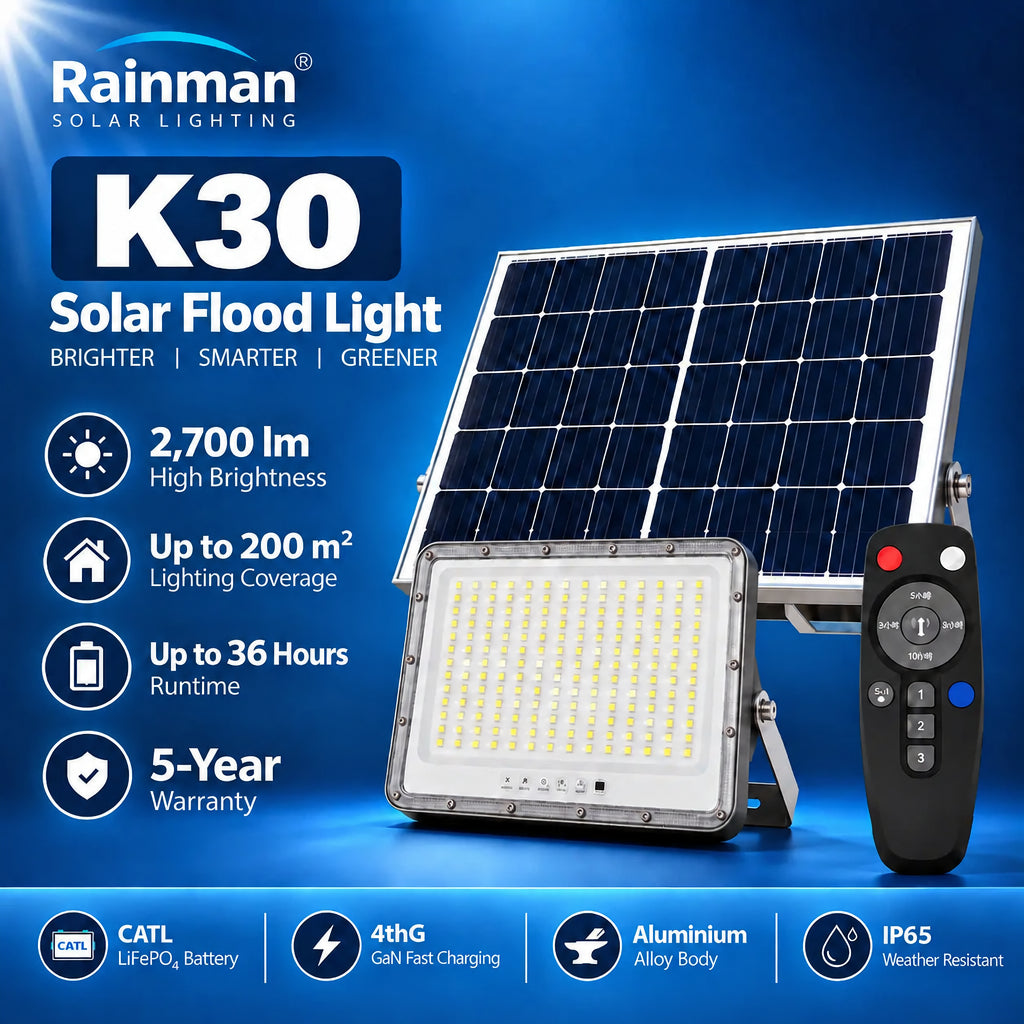
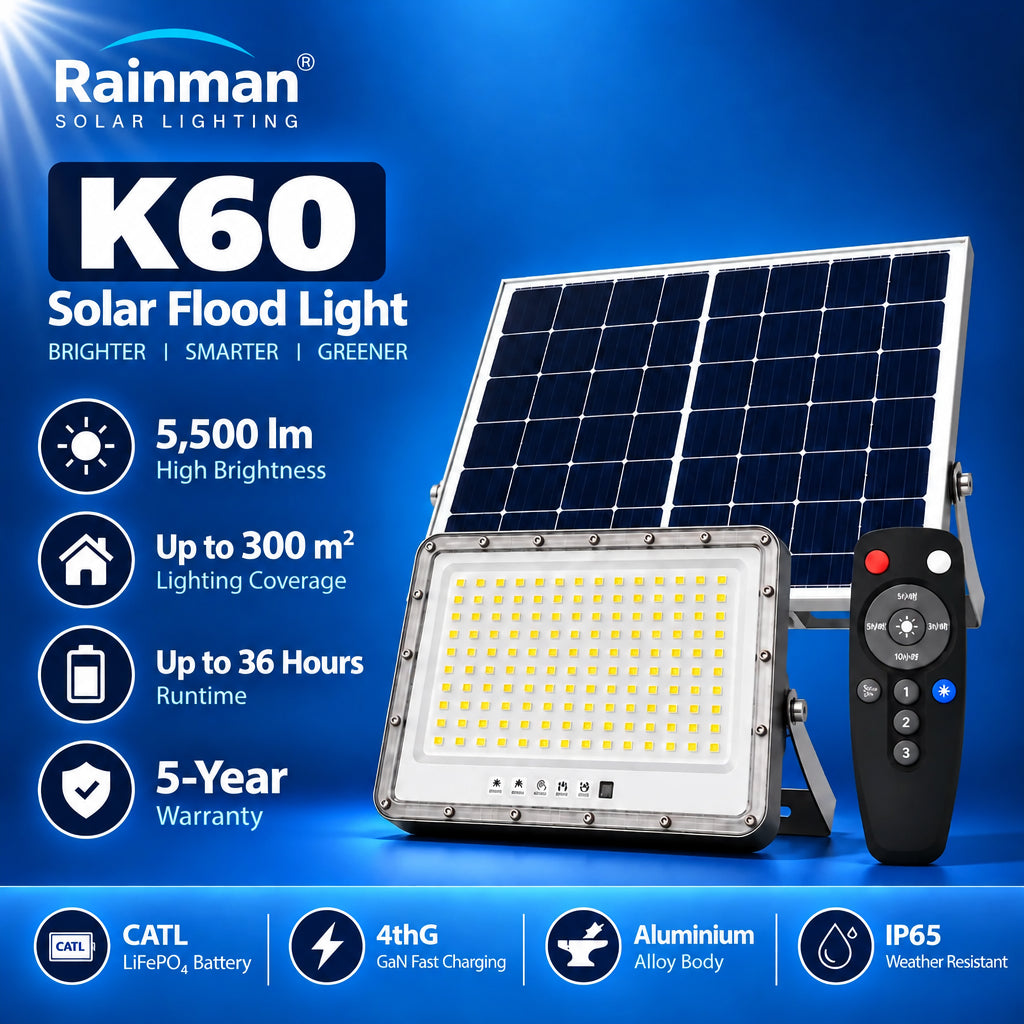
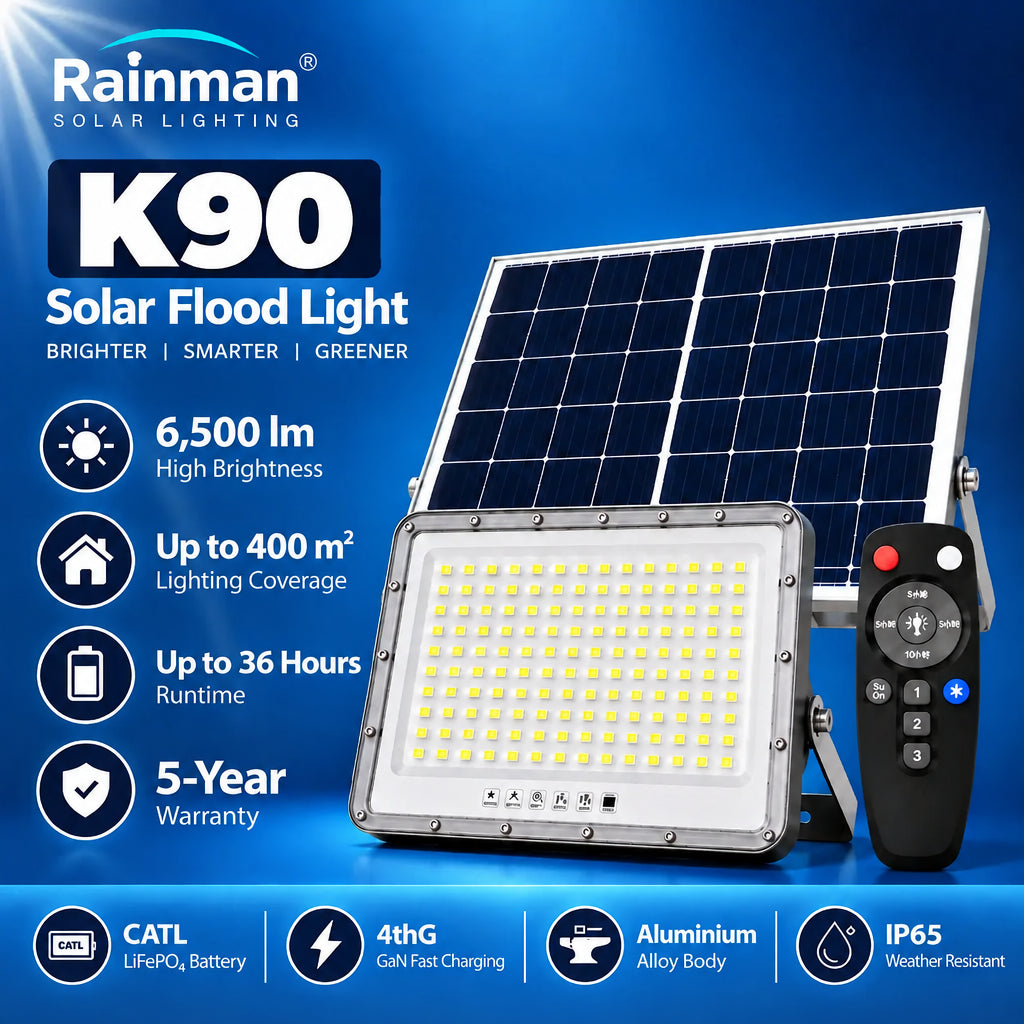
Rainman solar street lights and floodlights are designed specifically around this challenge. Rather than depending on ideal summer conditions, Rainman combines battery reserve, high-efficiency solar charging, GaN fast-charging technology, efficient LEDs and intelligent energy management to make better use of the solar energy that is available.
Winter Is the Real Test of a Solar Lighting System
Solar lighting is always an energy-management system.
During the day, the solar panel collects energy.
The controller transfers that energy into the battery.
At night, the battery supplies energy to the LEDs.
If the system collects less energy than it consumes over time, the battery state of charge gradually falls.
This is why winter is so challenging.
There may be fewer useful charging hours during the day, while the light may need to operate for more hours at night.
Cloudy conditions make the problem even more difficult because the solar panel is still generating electricity, but at a lower output than under strong direct sunlight.
A poorly balanced system may work acceptably in summer but struggle badly when winter arrives.
Big Wattage Claims Do Not Mean Long Winter Runtime
One of the most confusing issues in the solar lighting market is the use of very large advertised wattage numbers.
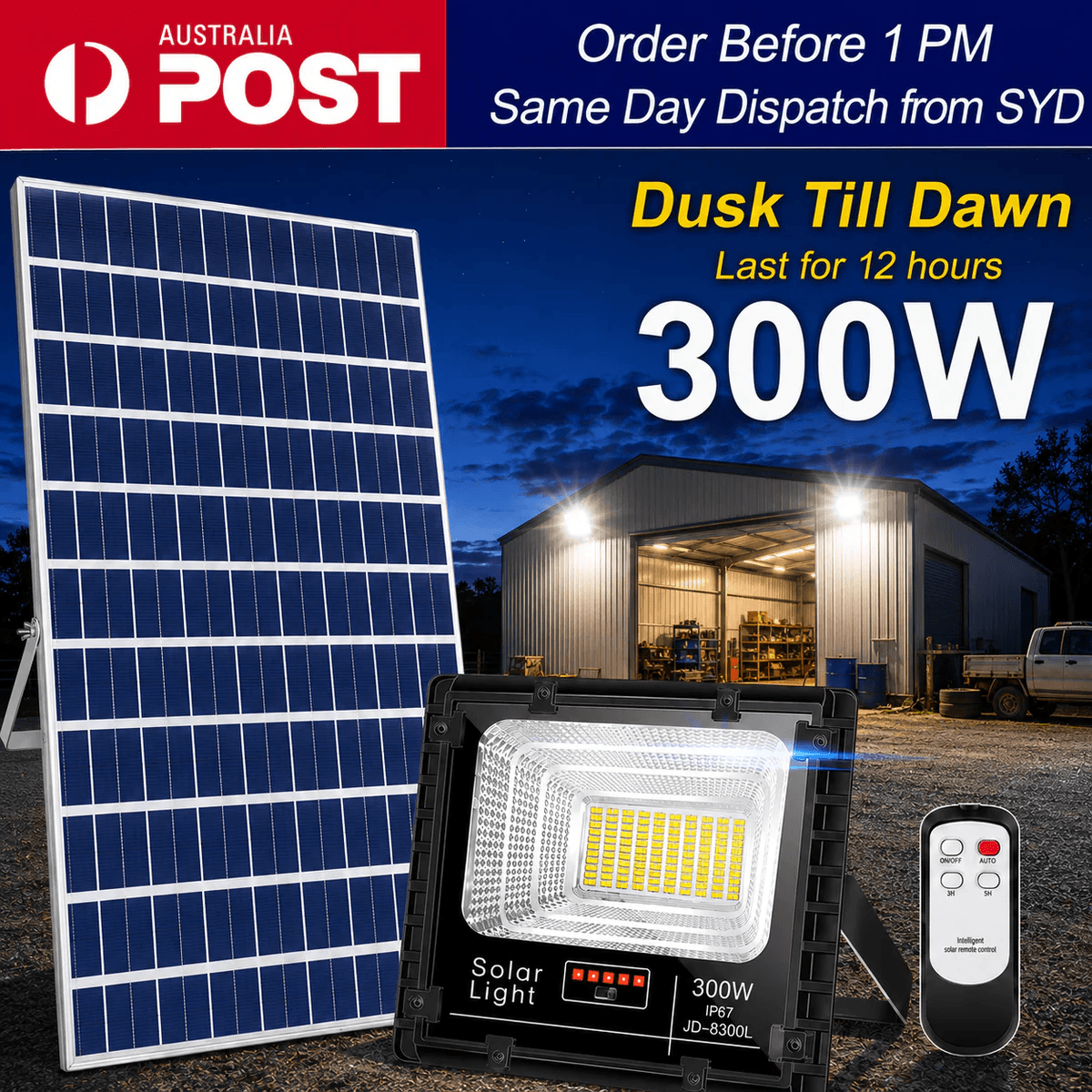
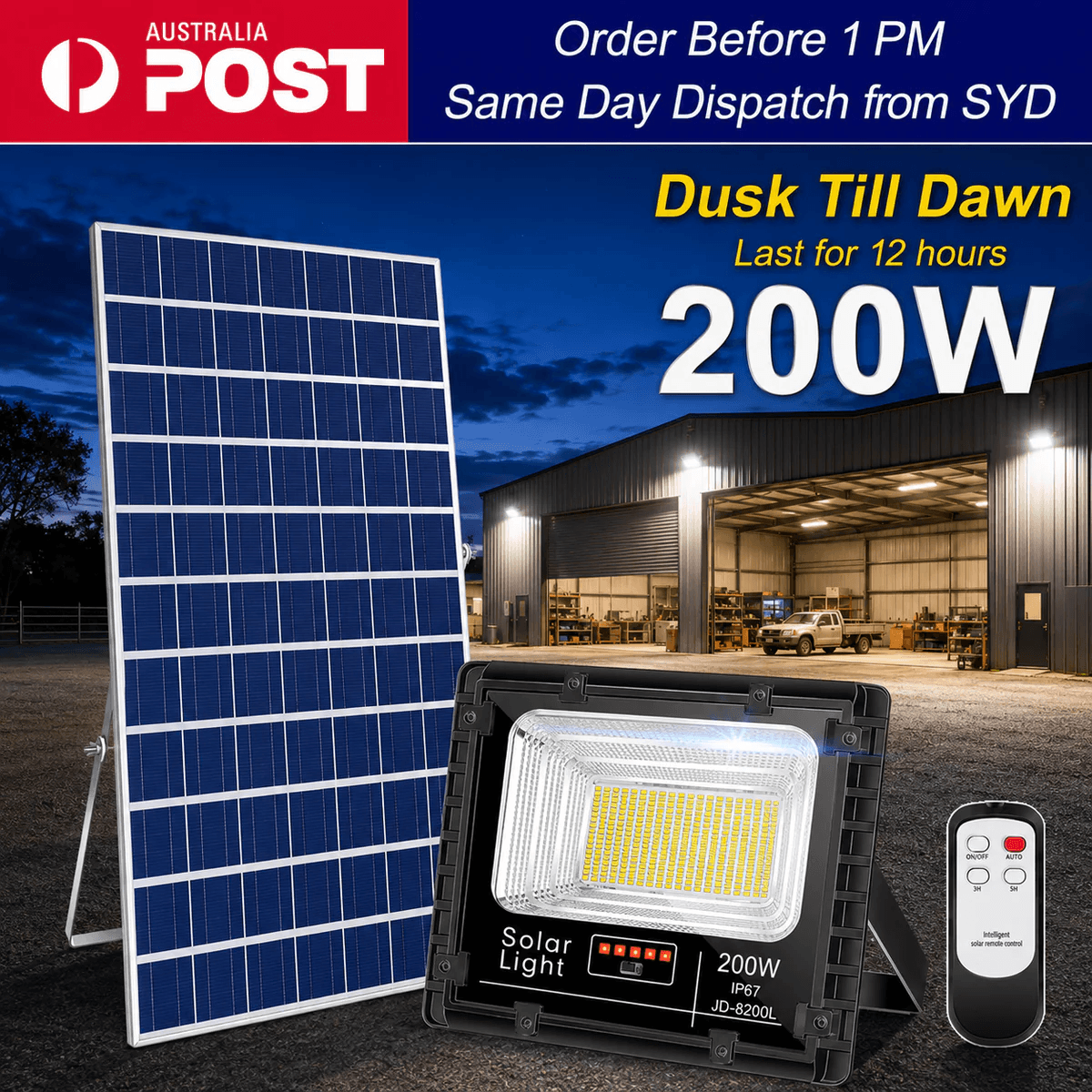
Some products are marketed as "1000W", "2000W" or even higher.
Those numbers may look impressive, but they do not tell the customer how much real energy is actually stored inside the battery.
This distinction becomes critical in winter.
If a solar light is advertised with a very large wattage figure but contains a relatively small battery, there may simply not be enough stored energy to support long overnight operation.
In better summer charging conditions, this weakness may be less obvious.
But once winter arrives and daily solar input is reduced, the problem can become much easier to see.
An undersized battery may be depleted after only three or four hours of operation, particularly if the light attempts to maintain high output without enough stored energy available.
This is why wattage claims alone are a poor way to judge solar-light performance.
Runtime depends on real stored energy, charging efficiency and power consumption — not the size of the number printed on the product title.
Rainman takes a different approach.
Instead of relying on oversized wattage claims, the system is designed around actual battery capacity, charging performance and usable energy reserve.
Rainman Starts with More Energy Reserve
A well-designed solar light should not have only enough energy for one ideal night.
It should have reserve.
That reserve becomes especially important during winter and cloudy weather.
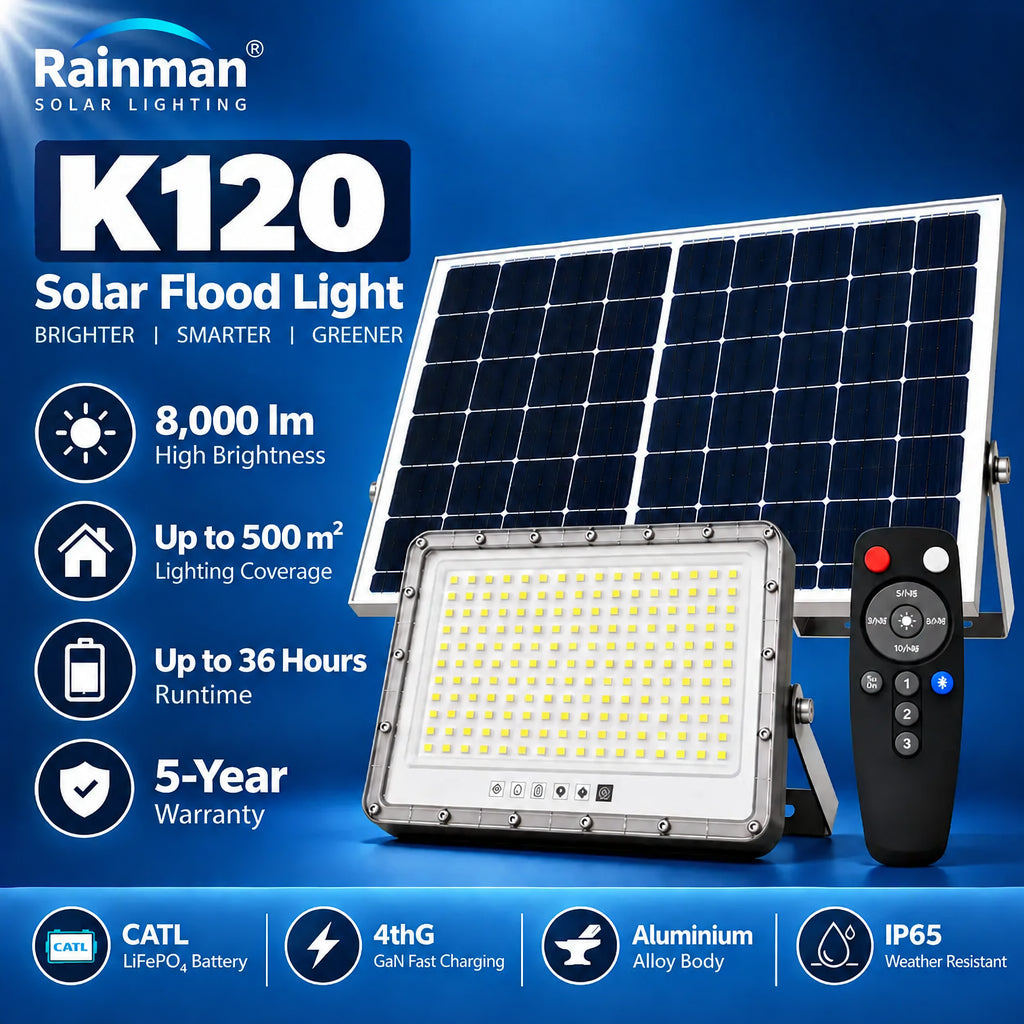
Rainman uses CATL 33155 LiFePO₄ battery cells, rated at approximately 3.2V and 14.5Ah per cell.
CATL is one of the world's leading manufacturers of lithium batteries for electric vehicles and energy-storage systems.
For Rainman, the importance of CATL is not simply the brand name.
The battery needs to support frequent charging and discharging, stable energy delivery and long-term outdoor use.
LiFePO₄ battery chemistry is well suited to this type of application because of its thermal stability, strong cycle life and dependable discharge characteristics.
Most importantly, Rainman is designed with substantial battery reserve.
That means the battery is not intended to hold only enough energy for the immediate night.
The design objective is to maintain additional stored energy that can help support operation when the following day provides less solar charging than expected.
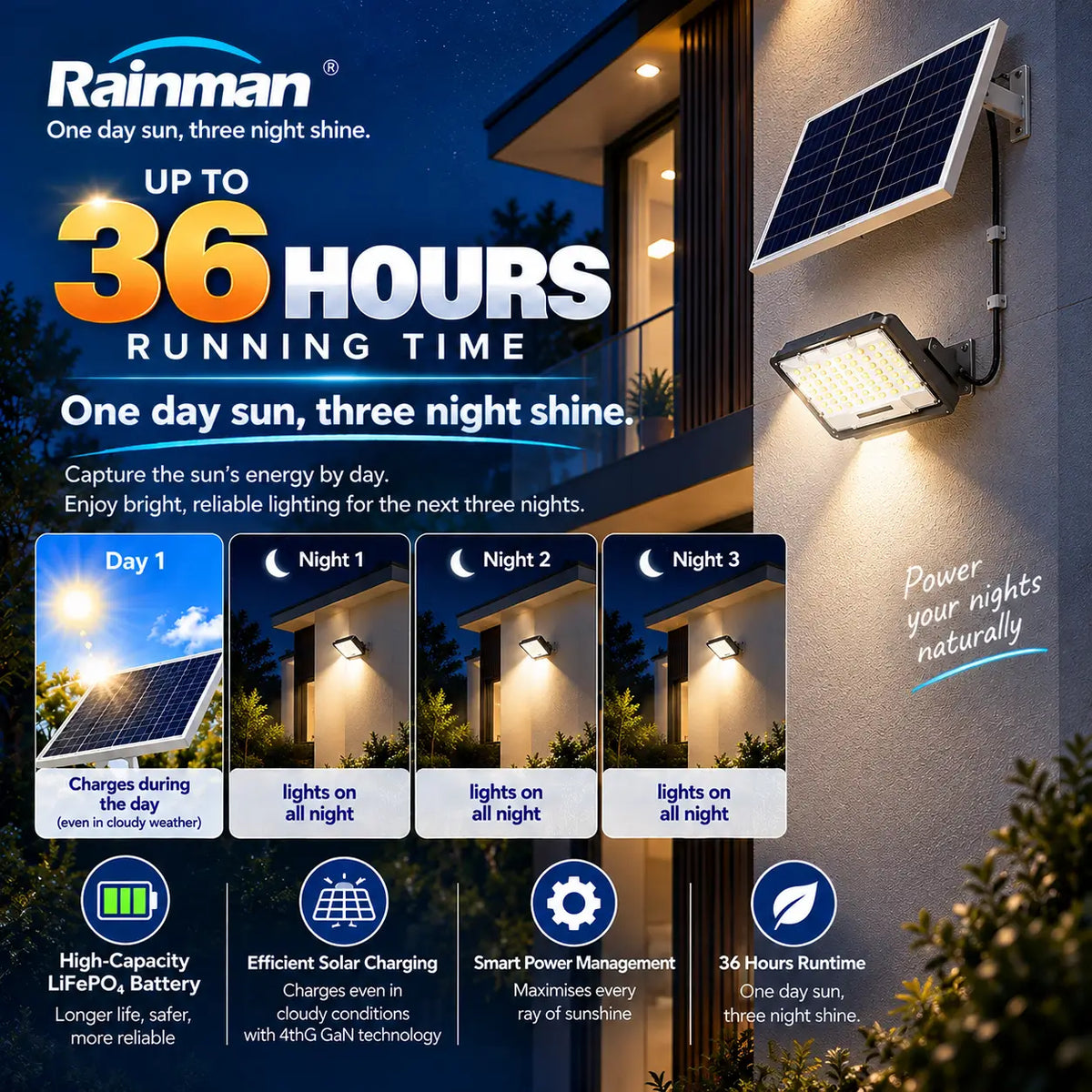
This principle sits behind the Rainman concept:
One Day of Sun. Three Nights of Shine.
It does not mean every installation will always deliver exactly three nights under every possible condition.
It means the system is designed around multi-night reserve rather than minimum one-night survival.
That difference becomes much more valuable in winter.
High-Density Monocrystalline Panels Make Better Use of Limited Winter Sun
Winter daylight cannot be made longer.
So the next best thing is to make better use of the sunlight that is available.
Rainman uses a high-density monocrystalline solar panel.
Monocrystalline photovoltaic technology is well suited to applications where available panel area is limited and energy efficiency matters.
This is especially important for solar street lights and floodlights because the panel cannot simply be made larger without limit.
There are practical constraints involving mounting, weight, wind loading and overall system size.
A more efficient panel helps generate more usable electricity from the available surface area.
In winter, this becomes even more important.
When sunlight is limited, panel efficiency becomes more important, not less.
Every additional watt-hour collected during the day may contribute directly to extra lighting time at night.
Rainman Gen-4 GaN Fast Charging Helps Capture More Available Energy
The solar panel is only the first stage.
The electricity it generates still needs to be converted and transferred into the battery.
This is the job of the charging controller.
Rainman uses a proprietary controller built around 4th-generation gallium nitride, or GaN, fast-charging technology.
GaN power devices are known for high switching efficiency and reduced conversion loss compared with conventional silicon-based power systems.
In practical terms, Rainman's controller is designed to transfer available solar energy into the battery more efficiently.
This matters enormously in winter and cloudy conditions because the total amount of solar energy available may already be reduced.
If some of that limited energy is then lost through inefficient conversion, the battery receives even less.
Rainman's charging design aims to reduce those losses.
The controller is also designed to respond efficiently to changing solar conditions.
Sunlight does not remain constant throughout the day.
It rises in the morning, changes with cloud cover, peaks around the middle of the day, and gradually falls again in the afternoon.
The more efficiently the controller can respond to those changing conditions, the more useful energy can potentially be stored.
Cloudy Does Not Mean Zero Solar Energy
One of the biggest misunderstandings about solar lighting is the idea that a cloudy day means no solar charging at all.
That is not correct.
Clouds reduce the amount of sunlight reaching the solar panel, sometimes significantly, but the panel can still produce electricity when useful light is available.
The challenge is that there is less energy to work with.
This is where the combination of Rainman's high-density monocrystalline panel and GaN charging controller becomes important.
The objective is not to claim that cloudy-day charging is the same as charging under strong sunshine.
It is not.
The objective is to extract as much usable energy as possible from whatever solar energy is available.
That may include energy collected during:
- cloudy periods;
- changing cloud cover;
- morning sunlight;
- late-afternoon sunlight;
- lower winter sun.
In winter, every additional charging opportunity matters.
Better Charging Is Only Half the Solution
Winter performance is not only about collecting more energy.
It is also about wasting less energy at night.
Once the battery is charged, the lighting system must use that stored energy efficiently.
Rainman uses a high-transmission optical lens system combined with dual 5054 LED chip technology.
The aim is to produce strong useful illumination without unnecessarily wasting battery energy.
A high-transmission lens reduces optical loss and helps direct more of the light toward the area that actually needs illumination.
The LED system is therefore not judged simply by how bright the lamp itself appears.
The important question is how effectively stored electrical energy becomes useful light on the ground.
That may include:
- driveways;
- pathways;
- farms;
- yards;
- car parks;
- commercial areas;
- building surrounds.
If a lighting system can produce the required useful illumination with lower energy loss, the battery can support longer runtime.
This becomes particularly important during winter, when the system has less energy available to begin with.
Smart Power Management Helps Stretch Available Energy
A quality solar light should balance three things:
brightness, runtime and available stored energy.
Maximum brightness at all times may sound attractive, but it can rapidly drain the battery.
This is particularly true for always-on solar street lights and floodlights.
Rainman is designed around intelligent power management that helps balance usable light output with available battery energy.
That does not mean reducing lighting quality unnecessarily.
It means using the stored energy in a more controlled way rather than allowing the system to consume energy inefficiently.
The better this balance is managed, the more resilient the system becomes when daily solar charging is reduced.
Consecutive Cloudy Days Are the Real Challenge
One cloudy day is usually not the biggest problem.
The harder situation is two, three or more days of poor solar conditions.
This is where reserve capacity becomes critical.
A basic system may have enough battery storage for one normal night.
If the following day is cloudy and the battery is only partially recharged, the next night begins with less available energy.
Another poor charging day can reduce the battery level even further.
Eventually the light may begin to dim early or switch off after only a few hours.
Rainman is designed differently.
Its winter and cloudy-weather resilience comes from combining:
- substantial CATL LiFePO₄ battery reserve;
- high-density monocrystalline solar collection;
- efficient Gen-4 GaN charging;
- efficient dual 5054 LEDs;
- intelligent energy management.
No single one of these features is enough by itself.
It is the combination that matters.
Rainman is designed with reserve, not simply enough energy for one perfect night.
What Rainman Cannot Change
It is important to be realistic about solar lighting.
Rainman cannot create sunlight that is not there.
Very heavy cloud, prolonged rain, severe shading, poor panel orientation or an unusually long period without useful sunlight will still reduce charging performance.
All solar lights are ultimately dependent on available solar energy.
The difference is how efficiently the system uses what is available.
A better solar panel can collect more.
A better controller can waste less.
A larger battery can store more.
A more efficient LED system can consume less.
A smarter power-management system can use the stored energy more carefully.
This is what makes a solar lighting system more resilient.
Why This Matters in Australia
Australian solar conditions are generally favourable, but the country still experiences major seasonal differences.
Summer often provides long daylight hours and strong solar radiation.
Winter is different.
Southern cities and regions experience noticeably shorter days, lower solar angles and longer nights.
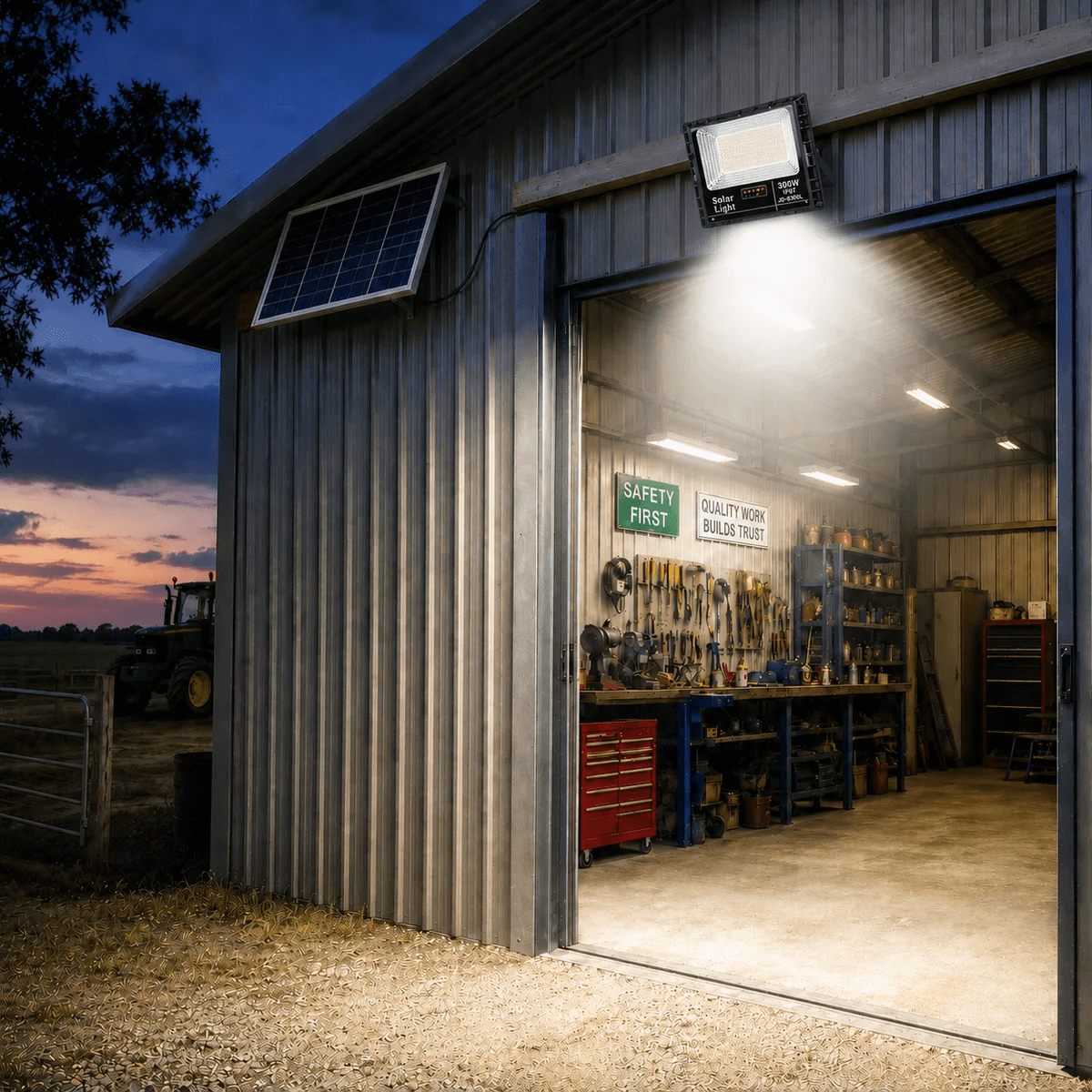
Rural and remote properties can also experience periods of poor weather where access to mains electricity may be limited or expensive.
For these applications, solar lighting needs more than strong summer performance.
It needs enough reserve and charging efficiency to continue working when conditions become more difficult.
That is the environment Rainman is designed for.
Designed for the Difficult Days
Many solar lights look good on a perfect sunny day.
The real difference becomes visible when conditions are less favourable.
Rainman's winter and cloudy-weather performance comes from the way the complete system works together:
CATL LiFePO₄ batteries provide substantial energy reserve.
High-density monocrystalline solar panels make better use of limited available sunlight.
Rainman Gen-4 GaN charging technology helps transfer more of that available energy into the battery.
Dual 5054 LEDs and high-transmission optics help convert stored energy into useful light efficiently.
Intelligent energy management helps balance brightness and runtime when available energy changes.
The result is a solar lighting system designed not only for ideal summer sunshine, but for the more difficult days as well.
Because a reliable solar light should not only work when conditions are perfect.
It should be prepared for winter too.